It’s been perhaps the busiest week of the year so far on Rosy Overdrive, and we’re closing it out with a rock-solid Thursday Pressing Concerns: we’ve got new albums from The Laughing Chimes, Rosa Bordallo, and ASkySoBlack that are coming out tomorrow (January 31st), plus a split EP between New Not Shameful and Trust Blinks that came out earlier this week. If you missed Monday’s Pressing Concerns (featuring IMustBe Leonardo, Minor Conflict, Krystian Quint & The Quitters, and Blood Lemon) or Tuesday’s blog post (featuring a deep dive into the year 1994), be sure to check those out, too.
If you’re looking for more new music, you can visit the site directory to see what else we’ve written about lately. If you’d like to support Rosy Overdrive, you can share this (or another) post, or donate here.
The Laughing Chimes – Whispers in the Speech Machine
Release date: January 31st Record label: Slumberland Genre: Jangle pop, post-punk, college rock, dream pop Formats: Vinyl, cassette, digital Pull Track: A Promise to Keep
I’ve been waiting for a new album from The Laughing Chimes for a while now–specifically since November of 2022, when I heard their six-song Zoo Avenue EP, although this desire was reinforced the following month when I named said record my favorite EP of that year. Whispers in the Speech Machine–their second full-length and their first for their current home of Slumberland Records–has thus been a while in the making, and the Athens, Ohio-based jangle pop group has changed quite a bit in the meantime. For one, they’ve doubled in size: founding brothers Evan (vocals/guitar) and Quinn (drums) Seurkamp have welcomed in a permanent bassist (Avery Bookman, their cousin) and second guitarist (Ella Franks, who also contributes keys to their newest record). Accordingly, Whispers in the Speech Machine reflects a more expansive sound–Zoo Avenue may have couched Appalachian melancholy with a bright, early Guided by Voices-esque melodicism, but between-record singles like “Tomorrow’s 87” hinted at a moodier, more post-punk and even goth-pop-indebted sound, and Whispers in the Speech Machine (while still being very much a jangly indie rock record) makes good on this. Franks’ synth contributions, given a prominent place in these eight songs, are key to elevating The Laughing Chimes to this next chapter of their sound, but the Seurkamps’ performance indicates that they were ready for this moment when it did finally arrive as well.
Even though Whispers in the Speech Machine is a short album (coming in at under thirty minutes) and it does contain one previously-released song (a new take on “Cats Go Car Watching” from Zoo Avenue), it’s an album that radiates ideas and layers as many of them on top of each other as it can. Evan Seurkamp’s vocals have always been a highlight and anchoring force, and now that they’ve added a second potent one in the keyboards, The Laughing Chimes are free to wander from their typical jangle pop sound to New Order-like synth-post-punk-pop and dream pop while still having everything hold together. So many of these songs could be lost college rock anthems, still somewhat fuzzy from laying dormant and undiscovered in a radio station basement all these years–there’s the half-remembered melodies of opening track “Atrophy”, the all-hands-on-deck sweeping romanticism of “High Beams”, the buttoned-up giddiness of “A Promise to Keep”, the epic mopiness of “He Never Finished the Thought”. “Country Eidolism” is a curveball in the record’s first half, a surprisingly intimate piece of swirling, Flying Nun-reminiscent dream folk that works very well–on the other hand, penultimate track “Fluorescent Minds” finds The Laughing Chimes cranking up the amps higher than ever before, even if the resultant rocker stays a bit closer to their jangle pop core. This isn’t exactly the Laughing Chimes album I would’ve expected had it come right after Zoo Avenue, but there’s no question that Whispers in the Speech Machine is the one that they wanted to make, nor is it in any doubt that they were right to pursue these ideas to where it finally led them. (Bandcamp link)
Rosa Bordallo – Isidro
Release date: January 31st Record label: Bad Auntie Genre: Psychedelic pop, jangle pop, indie pop Formats: Vinyl, digital Pull Track: Crasseux
Isidro may “only” be Rosa Bordallo’s second solo album, but the New York-based musician has taken a winding road to get to this point. The Chamorro singer-songwriter was born on the Pacific island (and U.S. territory) of Guam and moved to New York at nineteen, where she played in the post-punk/art-punk band Cholo in the late 2000s and early 2010s. After that, Bordallo put out a couple of EPs under the name Manett before finally graduating to using her proper name for her full-length debut, 2019’s Reef Walker. Isidro, then, actually represents something of a slowdown for Bordallo–she wrote these songs earlier this decade in New York before traveling down to Atlanta to record them at MAZE Studios with Ben Etter (Deerhunter, Cate Le Bon, Soccer Mommy). Etter’s previous credits are helpful in contextualizing the sound of this album, particularly Deerhunter–it recalls “indie music” of that band’s late 2000s/early 2010s heyday, a mishmash of forward-thinking synths, “art rock”, and bright, vibrant guitar/indie/psychedelic pop music. Isidro sews Bordallo’s different lives and influences together expertly–there’s the stately coastal psych-folk artiste in her presentation, her post-punk past in the record’s more lively moments, her island of origin in her writing, and the sun-baked psychedelia chronicled by Etter in Georgia.
The first non-intro track on Isidro, “Home”, begins with a familiar reverb-y, jangly psychedelic pop sound, but Bordallo’s writing packs a bite and a specificity (“The profit-driven war games / Menacing our land” … “All they’ve ever done for us / Wreak havoc and desecrate our dead”) that bears the mark of a land with a front-row seat to the malignant force of American imperialism. As stark as “Home” is, Bordallo doesn’t let the looming militant spectre overwhelm the whole of her writing. Perhaps tackling it at the onset frees Isidro to weave more complex and vivid storytelling, which Bordallo goes on to offer up in later highlights such as “Crasseux”, “Silk Moth’s Revenge”, and “I Feel Numb”. The sound of Isidro–aided by drummer Sean Zearfoss and multi-instrumentalist Keegan Krogh in addition to Etter–feels key to realizing the full potential of Bordallo’s writing. The record pulls together a lot, musically-speaking, but it’s an unflagging pop album at its core and the instrumentation exists to channel this. Both the offbeat synth-led instrumental track “Cycads of Micronesia” and the fluttering psych pop “Silk Moth’s Revenge” (which feels like a revolution to me, either labor-driven or decolonialist or perhaps both) draw from Bordallo’s home from thousands of miles away, a connecting force made explicit by her translation of the final verse of “I Feel Numb” into French, Russian, and Chamorro. “I Feel Numb” does not end in triumph and final victory, but it’s laying the groundwork for something greater. (Bandcamp link)
New Not Shameful / Trust Blinks – Split
Release date: January 28st Record label: Cherub Dream Genre: Slowcore, lo-fi indie rock, emo, post-hardcore, shoegaze Formats: Digital Pull Track: Grass Is Green
San Francisco label Cherub Dream Records has been around for a half-decade, but they really only got onto my radar last year, when I found several interesting new Bay Area bands (Sucker, Buddy Junior, Christina’s Trip) through their output. Eschewing the brighter indie pop that the region is currently known for, Cherub Dream highlights a greyer, more downcast side of the area’s indie music scene–one more indebted to slowcore, shoegaze, and lo-fi indie rock of the 1990s. The label’s latest release is a six-song, eighteen-minute split EP that accomplishes everything one could want in a Cherub Dream release and more–it both introduces an intriguing new Bay Area band in San Francisco’s New Not Shameful, and it expands the label’s horizons by bringing us new music from Los Angeles-originating, Asheville-based slowcore band Trust Blinks (who released an album on similarly-minded labels Julia’s War and Candlepin last year). Within this specific niche of indie rock, New Not Shameful and Trust Blinks are actually fairly distinct from one another, but this exchange of ideas only makes the split EP feel like a stronger collection.
I’m not an emo purist, so I have no issue with calling the New Not Shameful side of the split EP the “emo” side. I think that their three songs capture the mix of ugly and beauty that marks the best emo music, anyway–it’s half Cap’n Jazz and other 90s scream-friendly emo, half Modest Mouse/expansive northwestern American indie rock. “Only for a Second”, their first song, is the most substantial thing on the EP by far, with bandleader Finn Palamaro’s screaming vocals colliding with shimmery guitars in the first half and ascending to something unmoored from this beginning in its second half. The Trust Blinks half of the EP is the “slowgaze” side, although it’s not as predictable as most of that kind of music, thankfully. The Trust Blinks side starts with “Spider (Interlude)”, a slow-crawling instrumental that feels right out of the Duster-Helvetia school of wallflower-rock, but the two tracks that follow it, “Grass Is Green” and “Clean Plate Club” are more electric and dynamic. The former track in particular is a nice surprise, with its fuzzed-out guitars and heavy usage of organ forming a bizarre combination that nonetheless works very well (“Clean Plate Club” also has some nice organ; it makes a little more sense in that song’s lo-fi slowcore body, but it’s still not the most intuitive touch). The three songs apiece are more than enough for me to get a sense of where both New Not Shameful and Trust Blinks are coming from, but it’s brief enough to feel like a low-stakes drop-in with a couple new bands I expect to hear more from soon. (Bandcamp link)
ASkySoBlack – Touch Heaven
Release date: January 31st Record label: New Morality Zine/Pleasure Tapes Genre: Grunge-gaze, fuzz rock, alt-rock, post-hardcore Formats: Vinyl, digital Pull Track: On for No One
Philadelphia’s ASkySoBlack was part of New Morality Zine’s esteemed class of 2022 alongside bands like Prize Horse and Downward; their four-song Autumn in the Water EP established the band as slick, alt-rock-loving practitioners of “heavy shoegaze” like their labelmates. At the time, I seem to remember them not getting as much attention as Prize Horse or Downward, but perhaps the release of their debut full-length LP, Touch Heaven, will change that. Given a larger canvas, their peers Prize Horse responded by expanding their sound to something subtler and slowed down on their first LP last year; ASkySoBlack have taken a different course on Touch Heaven. The band’s Hum and Smashing Pumpkins-indebted sound is still present throughout the album; if there’s a change, it’s a shift towards the more streamlined, replacing the heavier, almost-alt-metal extremes of Autumn in the Water with a pared-down, almost-punk attitude towards this kind of music. Jordan Shteif’s vocals remain a secret weapon on Touch Heaven–the band might sound hurried and frantic, but Shteif is an anchor, gliding across these electric alt-rock tracks with a calm, patient composure (that’s only broken when the moment really calls for it).
Touch Heaven begins with an explosion–more specifically, opening track “On for No One”, an absolute tour-de-force of heavy rock music that’s one of ASkySoBlack’s most complete moments yet. The song they choose to follow it up with, “I Wish I Was Not”, is the harbinger–the quartet don’t take their foot off the gas, and in fact rip through the track in two white-hot minutes. ASkySoBlack have a pretty solid claim to the title of best hook-makers in their current scene, and that’s true whether they’re speeding through “I Wish I Was Not” or plowing across the post-grunge “Boy Like a Bruise” or the airborne Hum-worship of “You Sit Useless”. The downtuned riffs of “Carousel House” hint that maybe, just maybe, Touch Heaven is going to dive off the low end in its second half, but while this side of ASkySoBlack makes a couple more appearances (in the post-hardcore inferno at the end of “Did It All Wrong” and the more polished but still intense finale of “Hold Me Holy”), the record’s biggest B-side surprise is probably the relative restraint of penultimate track “Every Heart Needs Some Mileage”. Touch Heaven is probably at its best when ASkySoBlack is making a bit more noise, but they find a few different ways to get there–and, like closing track “Sore for You” hints at, they can stretch things out while still letting the guitars run free if they want to. I get the sense that ASkySoBlack isn’t done evolving, but where they’re at on Touch Heaven is a fine place to be for the moment. (Bandcamp link)
Who else is tired of new music? Just kidding, I’m definitely not (if you read this blog, you’re aware of that), but I have brought back a semi-regular blog feature in which I listen to some non-new music on a daily basis. So here’s the deal with this listening log: during the new music lull of December and January, I listened to one new-to-me album from 1994 (almost) every day, wrote down a little bit of what I thought about it, and posted this in the Rosy Overdrive Discord (which, if you’re looking for a social media-type place that doesn’t openly promote fascism, it’s a nice one to join). I’ve done this a few times now, with the years 1981, 1993, and 1997, and 1994 didn’t disappoint!
Note that these are only albums I’d never listened to in full before; I’ve heard, by my count, around 150 albums from 1994 before I started this exercise, so if you’re wondering why something well-known/up Rosy Overdrive’s alley isn’t here, it’s probably because I’ve heard it already (I still haven’t heard the first Oasis album yet, though. I made it through 36 albums without biting the bullet on that one).
Bandcamp embeds are included when available.
12/14: The High Llamas – Gideon Gaye (Target)
Starting this exercise looking back at thirty years ago with an album that looks back thirty years before that. Wilco was still an alt-country band, The Flaming Lips and Mercury Rev were wild rock and rollers, Elephant 6 was still in the basement—but here are The High Llamas, leading the way with pristine, polished Brian Wilson keys and strings. I like my 60s worship a bit more mussed up, so perhaps I appreciate more than like this, but I “appreciate” it a good deal. They never fully unbutton, but looser stuff like “Checking In, Checking Out” is more my speed. Don’t know if “Track Goes By” needed to be thirteen minutes but the first half is so good it doesn’t really matter.
12/15: The Veldt – Afrodisiac (UMG)
Considering how much I enjoyed their early archival release from last year, it seems past time to give The Veldt’smost well-known record a shot. The soul/R&B influence was much more “implied” on Illumination 1989, which was a more straightforward dream pop-gaze album; here, it feels like a genuine attempt to synthesize the two genres. Not much sounds like this, maybe the Afghan Whigs would be the closest I can think of but that’s still not quite right. No one was ready for this in ‘94, and unfortunately the current shoegaze revival has emphasized more anonymous-feeling elements of the genre, so a Veldt revival feels unlikely. This is not an entirely successful album, and certainly could’ve used a bit of trimming, but there’s more than enough to justify the experiment and the Veldt get points for inventiveness in my book.
12/16 Fuzzy – s/t (Seed)
This is easily the most “nineties-sounding” album I’ve done yet—and, probably not coincidentally, it’s also my favorite one yet. These New England no-hit wonders slot very nicely right next to peers like Belly, Juliana Hatfield, even Dinosaur Jr. (do you like guitars?). Fuzzy do not overthink it; these songs are one big alt-rock pop hook after another after another. Even things like “Now I Know” where it seems like they’re going for something more subtle end up with fireworks. I’m not sure if the “where’s my knife?” call and response thing in (the excellent) “Lemon Rind” is supposed to be funny, but it is. I love how the drumbeat in “Sports” sounds like a basketball. This one doesn’t quit, huh. Bandleader Hilken Mancini released a good album [last] year, by the way.
I really gained something sitting down and taking this one in front-to-back. These songs are good, but as a whole statement it’s something else. Really was only familiar with I Do Not Want… before; this is more difficult, more thoughtful, less outward bloodletting. It’s still there, like in the finale of “Red Football”, or “Fire on Babylon” which is an excellent opening hook. Songs like “All Babies” make the most sense as Irish folk music that’s happened to be penned by O’Connor. The “All Apologies” cover is, again, haunting on its own but turns into something even harder in the album (she’s probably one of the few people who can sing that song and “get” it). The trip hop song about how the Irish “potato famine” is a colonialist myth is a huge musical sore thumb in a record of more subdued piano/folk, but it absolutely makes sense as part of O’Connor’s thesis. And it rules.
“An American army regulation / Says you mustn’t kill more than ten percent of a nation / Because to do so causes permanent psychological damage / It’s not permanent, but they didn’t know that”
12/18: aMiniature – Depth Five Rate Six (Restless)
Alright, alright, indie rock time. This album came out of San Diego the same year that Yank Crime did, and I’ve seen aMiniature called a “post-hardcore” band before, but they’re a lot more….normal-sounding than Drive Like Jehu. It’s one part West Coast indie punk, one part fuzzed-out indie rock; kind of like the midpoint between Jawbreaker and, say, Versus (who they apparently toured with). If you’re like me and have heard roughly 10,000 albums that sound like this to some degree, this isn’t going to blow you away immediately. Still, though, there’s something to this. There’s a tough backbone to the band that gets more pronounced when they get a little more punk sounding in the last few tracks (probably my favorite stretch). Not sure if I’ll personally return to it but worth checking if it sounds like your bag.
12/19 Digable Planets – Blowout Comb (Capitol)
I wanted to make sure to do this one because their debut album was one of my favorite discoveries of the 1993 edition of this exercise. From what I remember of Reachin’, this one isn’t an extension of that album so much as an expansion. Clearly the same jazz-rap group, but they’ve leaned a bit harder into chilled-out and esoteric. Not that the last one was some huge pop-rap thing but there’s less of that and more lengthy stretched-out jazzy journeys. Hard to follow everything they’re talking about just from the one and a half listens I’ve done so far, but certainly caught the parts against fascism and the line about studying Mao. Starting with Reachin’ worked for me, I’d recommend that to anyone else unfamiliar, but do continue to this one if it works for you.
12/20: Dog Faced Hermans – Those Deep Buds (Konkurrel/Alternative Tentacles)
The final album from the cult horn-punk group (who I’m pretty sure I’ve done in these exercises before). They’re a consistently great band, I always enjoy listening to their albums, and this was no exception. Compared to the previous two, this is maybe a little more jammy/experimental; not that they were ever an orthodox punk band but this is about as far away from it as they got (among the LPs I’ve heard). “Human Spark” probably starts the most punk-like and even that one lapses into noise/oddness. It’s not Leaves Turn Inside You-level post-post-hardcore (they still more or less sound like DFH did on their previous albums), but I get the sense that they would’ve gotten there if they kept going.
12/21: Butterglory – Crumble (Merge)
Finally getting around to checking out the music of one of the most frequent “fans also like” bands in my life. People talk about Butterglory like they were Pavement ripoffs but they only really remind me of Pavement on a surface level (and the guitar line in “Jinxed” is very Pavement, yes). It’s more pop-forward, less “band jams” and more like a couple of Flying Nun/college rock fans adding their own lo-fi Americana spin on it (I believe they were just a duo at this point). Actually, this sounds a lot more like all the modern bands that people complain are “just Pavement ripoffs” than Pavement do. Plenty of mixtape candidates here. Maybe if I’d heard this when I was first discovering Yo La Tengo and Archers of Loaf it’d be a core record for me, maybe not, but now it sounds like a solid and pretty indie rock record (more or less like I thought it’d be). I’m not sure if we’re far enough down the nostalgia-festival rabbit hole for a Vegas fest to offer Butterglory an absurd amount of money to reunite, but we can hold out hope.
12/22: Madder Rose – Panic On (Atlantic)
This is another band whose 1993 album I enjoyed so I’m going in for round two. My initial impression of this one was that it wasn’t as good as the previous year’s Bring It Down (or their most recent LP from 2023, for that matter), but I’m glad I waited until starting a second run through to write this entry because it’s sounding a lot better this time around. They’re still making moderately fuzzy, mostly poppy vintage-sounding 90s alt rock without much in terms of bells or whistles—this might actually be the most stripped-down/streamlined version of Madder Rose I’ve heard. It does start off kind of slow but goes on a hot streak beginning with the title track with every song having a really strong hook of some kind or another. I suspect it pairs nicely with Bring It Down back to back.
12/23 Peter Jefferies – Electricity (Ajax/Raffmond)
There’s no way I was getting through this exercise without checking out at least one of the New Zealand records I hadn’t yet gotten around to. Peter seems to be the more iconoclastic and stranger of the two Jefferies brothers; what I’ve heard from his solo career is less approachable than Graeme’s band The Cakekitchen, on average at least. This one feels like a proper album, Jefferies’ piano-centric playing anchoring stuff that can swing from cacophonous to harrowing to plain gorgeous. There’s nothing as immediately stunning as my favorite song of his, “On an Unknown Beach”, but there’s a lot of beauty on here. Pretty singular listen.
12/25 Sleepyhead – Starduster (Homestead)
I’ve written about Sleepyhead for the blog before but this is the first time they’ve shown up in one of these posts, I think. Great little semi-forgotten indie rock/indie pop group from Boston who put stuff out on Slumberland and Homestead (this one’s from the latter). Sleepyhead have a formula they typically stick to—energetic, slapdash, but relatively clean-sounding indie rock instrumentals with, uh, casual and off-the-cuff vocals singing throwback-style pop melodies. This one is kind of on the punk-y end of indie pop, if you’re into groups like Boyracer and the more rocking side of K Records they’re right in the mix there.
12/26 The Mavericks – What a Crying Shame (MCA Nashville/Geffen)
Hey, there’s no “alt” in this country! Not that I was expecting No Depression-era Uncle Tupelo or anything, but I don’t think I appreciated that The Mavericks are straight-up neo-traditionalists—or they are on this album, at least. They’ve supposedly made a career out of blending classic country music with Latin and Tex-Mex influences—but if they’re present on What a Crying Shame, they’re very faint indeed. This album’s got more in common with Dwight Yoakam or even early rockabilly (and not the Reverend Horton Heat/Bloodshot kind); not that that’s a bad thing, necessarily. Maybe not an “essential” album, but it’s hard to argue with fun stuff like “There Goes My Heart” and “The Things You Said to Me”. Side note: this album is how I found out that there’s a prolific country songwriter who was born in Greece and goes simply by “Kostas” (and I’d bet that part of the reason I was reminded of Yoakam is that Kostas has written for him, too).
12/27: Smoking Popes – Born to Quit (Johann’s Face/Capitol)
Pop punk is supposed to evoke feelings of youthfulness, right? Well, that’s not what we get from Smoking Popes, who already sound tired and middle-aged on their breakout album (which most people heard via the 1995 Capitol re-release but was first released in ‘94). The whole album doesn’t really sound like the band’s single hit, the bizarre Morrissey/pop punk hybrid “Need You Around”, but it still sounds like it would be a clear black sheep in the Chicago punk scene from which they arose*. Josh Caterer sings “I’d rather be too young than too old / To feel the way I do about you” over a very tasteful college rock instrumental in “Mrs. You and Me”; Smoking Popes let this desperation speak for itself rather than Blink-182 it up. Some really catchy stuff here (see the first two songs) although it does kind of lose some steam. As for “Need You Around”—well, nothing else really sounds like it, still.
(*note: Discord user Dan Gorman aka The Discover Tab pointed out to me that, between the Popes and bands like the Alkaline Trio and The Lawrence Arms, this darker, maybe more “mature” take on pop punk wasn’t so out of line with what was going on in the Windy City after all)
12/28 Laurie Anderson – Bright Red (Warner Bros.)
Well, this is a Laurie Anderson album. I like Laurie Anderson—I’ve heard Big Science and at least one of the other 80s albums—and I can get behind this, but I couldn’t imagine anybody who can’t get down with “O Superman” enjoying this. Not that it’s wildly inaccessible, even for her—the opening song, “Speechless” is dark but pop. Of course, the title track is pure darkness and creepiness right afterward, and there’s an uneasiness throughout this album that conflicts with its occasional attempts at catchiness (like “Beautiful Pea Green Boat”). The moments where Anderson cuts through the veil—like the line “When my father died it was like a whole library burned down” in “World Without End”—land with a thud. There’s an interesting fixation with former partners who’ve moved onto new lovers in this album, which, combined with some apocalyptic themes, feels like some Anderson-grade catastrophizing. It’s more or less—oh, shit, is that Lou Reed singing lead vocals on “In Our Sleep”?
12/29 Three Mile Pilot – The Chief Assassin to the Sinister (Headhunter/Geffen)
We’re going back to San Diego today! This is another one with multiple releases—Geffen put it out the following year with a couple of extra tracks. Members of this band would go on to play in The Black Heart Procession and Pinback, but neither of those bands really sound like The Chief Assassin to the Sinister. It’s actually pretty tricky to pinpoint this one—Wikipedia says noise rock and math rock, neither of which are totally right. There are noisy moments, there are some mathy ones, some Black Heart Procession-y noir detours, even a bit of emo. It’s like somewhere between the explosive garage-y post-hardcore stuff of their home city and sprawling indie rock from a few states north of them. It’s not as…immediately satisfying as a lot of their peers, but that’s not a bad thing. In fact I quite like this, I think—probably more than what I’ve heard from their successor bands.
12/30 The Figgs – Low-Fi at Society High (Imago/Stomper)
Low-Fi? At Society High? It’s more likely than you think! This is one of these “cult 90s power pop albums”, or at least that’s my impression going into it. Maybe it’s due to the very nineties-sounding lead vocals, but this feels a lot more “1994” than I was initially expecting; I think it slots solidly into the Fig Dish strain of post-grunge/alt-rock-flavored power pop. The Figgs add quick tempos, relative brevity, and plenty of guitar solos to the mix—this is more or less the Low-Fi at Society High formula, and I can report that it works. Apparently they played as Graham Parker’s band at one point which makes sense—parts of this album remind me of the 70s power pop/rock and roll troubadours but updated musically for the times. The ingredients are pretty simple so the songs kind of bleed into each other, but I feel pretty positive about this one initially.
12/31 Palace Brothers – Days in the Wake (Drag City)
My familiarity with Will Oldham and his various projects is admittedly pretty spotty (I See a Darkness? Great! The album he did with Matt Sweeney a couple years ago? Pretty good!), so this is a good opportunity to check out one of his earliest albums (as Palace Brothers, which would become Palace Music and eventually Bonnie ‘Prince’ Billy). It’s under thirty minutes long and almost entirely just Oldham and his guitar (“Come a Little Dog” has bass and drums). There’s some very good songs on here—namely, “I Send My Love to You” and “No More Workhorse Blues” stick out—but this isn’t the album to make me a BPB evangelist. If I already was, I imagine I’d appreciate it more as a nice early album before the (presumable) masterpieces.
1/1 Magnapop – Hot Boxing (Play It Again Sam/Priority)
This Athens, GA band has a bunch of legit early college/alt-rock connections—Bob Mould produced this album, Michael Stipe produced some of their others, the lead vocalist previously was in a band with Matthew Sweet. That being said, this album fits in very well with the then-present state of power pop—loud guitars, aggressive power chords, and a 90s drollness are all key features of Hot Boxing (I’m sure Mould’s production helped this along to some degree). It’s one of the best-sounding albums I’ve done for this exercise, and it’s a fun listen (especially towards the end where they blow through a bunch of short songs quickly). Still, I didn’t like it quite as much as I wanted to. Something missing from a lot of the songs to make them extra memorable, I think? Worth a listen if any of this sounds good to you, though.
1/1 Ida – Tales of Brave Ida (Simple Machines)
I missed a day on Christmas Eve, so I’m doing two on New Years to make up for it. This is the long-running folk-slowcore duo’s first album, and it is, indeed, somewhere between a “folk” and “slowcore” album. It’s not “lo-fi” but there’s a nineties-ish simplicity to these songs—two guitars playing together (or off each other), two vocalists singing together (or off each other), usually that’s it. Not trying to lean into folk traditionalism, not trying to pad things out into a rock band. The acoustic moments are strummy and fit alongside the contemporary alt-folk scene, and the lyrics which are half poetic, half literal, remind me of that kind of thing, too. Often this side of Ida is right up against the sprawling, creeping electric slowcore side. An hour long but I don’t really mind.
1/2 Souled American – Frozen (Moll Tonträger)
Been meaning to get into this cult alt-country band for years, and now that there’s been a slew of reissues and everything’s available digitally, there’s no reason not to. I’ve heard some say not to start with their later albums (this is the second-to-last-one) because they only got weirder and weirder, but I’m happy to disagree with this take because I loved this record. Not to say it isn’t weird—I can imagine this not being everyone’s cup of tea. But this specific combination of molasses-slow playing, traditional folk and country experimentation, and an ambient Chicago experimental nature to the material creates something that just…works. Threatens to go full-on post-rock in a couple of places (instrumental “Two of You”, the relatively busy keys-heavy ending to either “Downblossom” or “Better Who”, I don’t remember which one) but it never fully jumps the rickety tracks. All the better.
1/3 NRBQ – Message for the Mess Age (Forward)
When I think of the 90s, I think of NRBQ. Well, not really, but the long-running bar band/ “your favorite band’s favorite band” did release one of their more well-regarded later-period albums this year, it seems. It’s a pretty solid collection of unclassifiable pop rock that does sound like the work of a band with several accomplished songwriters and musicians in it—some moments sound like they still think it’s the 80s, other moments like that decade never even happened. One of their earlier songs, “I Want You Bad”, is maybe my favorite power pop song of all-time—nothing they’ve done quite reaches that, but “A Little Bit of Bad” is about the closest they’ve gotten among the stuff I’ve heard (it sounds like a classic John Hiatt song without the John Hiatt-ness that’s a turnoff for some people). Elsewhere—the truly weird/out there stuff is kept to a minimum, but they make it count when they dip into it (the name-spelling lesson “Spampinato” is way better than it should be, the bizarre jazz rock of “Everyone’s Smokin’” is a weird and wonderful closer, and who doesn’t love “Girl Scout Cookies”?) and their commitment to not being so self-serious actually helps them pull off the sincerity of “A Better Word for Love” and “Advice for Teenagers”. “Designated Driver” is a little creepy, but I don’t think the boys mean anything nefarious by it. Good stuff.
1/4 Cake Like – Delicious (Avant/Diskunion)
Jesus, this rocks. I don’t really know anything about this band; they’re from New York, but I could’ve told you that by the way this record sounds. Apparently one of the members went on to become an actor in Reno 911, which I don’t think I could’ve told you based on the music. Anyway—do you like “no wave”? Do you like brief Sonic Youth noise bursts combined with sarcastic, droll, “slackery” Breeders indie rock/pop? Do you like albums that are under 30 minutes long? Do you like songs where the lyrics are mostly just a couple lines repeated several times but where pretty much all the lines are really good (and often actually funny)? Well, these are all features of the album Delicious by the band Cake Like. Here are some of my favorite lines from this album:
“Your dad works for my dad”
“I’d kiss a pirate if he’d cry”
“Mary Todd’s a politician, pushing woman”
“Jane brings me lots of things / But lots of things don’t matter”
“Bring some fruitcake, bring some fruitcake / La,la,la,la,la,la,la,la”
1/5 Boyracer – More Songs About Frustration and Self-Hate (Slumberland)
Well, I’ve enjoyed plenty of recent Boyracer material, so perhaps it’s now time to take a closer look at what the long-running British (at this point, at least) indie pop act was doing thirty years ago. Does this album (which, quite boldly, runs through two dozen songs in 62 minutes) really live up to the promise of its title? Well, I haven’t exactly been giving all the lyrics a close read, but what I’ve heard (plus the music) would suggest a certain degree of frustration and self-hate, yes. Compared to the more clear-sounding and upbeat power-pop-punk of modern Boyracer, this album is a lot more in line with the blown-out distortion of 90s indie rock, “lo-fi” and the like–plenty of basement guitar flare-ups and angst-pointing musical choices here. This is kind of an endurance test thing but I like a lot of the songs on here. It’s very 90s to hide the good pop melodies underneath these trappings and Boyracer eventually grew out of it but it’s a strong trope when done well. Want to spend more time with this one.
1/6 Everything But the Girl – Amplified Heart (Blanco y Negro/Atlantic)
First of all, this wasn’t really what I expected. I guess since I only really know the dance mix of “Missing” I was expecting this album to sound a bit more like that? Even though just a bit of critical thinking would’ve reminded me that it’s called a “remix” for a reason. Anyway, between Tracey Thorn’s somewhat soulful voice, the tasteful acoustic guitar, upright bass, and overall jazz sensibilities, this is pretty close to stuff that gets derided as “coffeehouse folk” music. In any case it’s much closer to Suzanne Vega and the Indigo Girls than Stereolab or Portishead or any other electronic-infused contemporary indie rock.
Second of all: this rules. It’s great. It’s simple and beautiful but also deep and unintuitive; the exact kind of thing you’d want indie pop veterans (which Thorn certainly was at this point; see the excellent 80s group Marine Girls) to be doing at this stage. I guess some of the songs have prominent drum machine beats, which is sort of “electronica”; I wouldn’t have connected the proper album with that kind of music on my own but I see how someone more attuned to that world (like, say, Todd Terry) would do so. Especially with “Missing”, which is pretty clearly the most dance-friendly track on the record even in its initial incarnation.
1/7 Hoover – The Lurid Traversal of Route 7 (Dischord)
This was the only LP that this cult Dischord band ever made. I’ve seen Hoover compared to Fugazi, and while I hear it in some places (the first few songs, and, throughout the album, the vocals), I actually think I like this more than any of the Fugazi albums (well, maybe not Repeater or The Argument but come on, I’ve only just now heard this). They do the spitting punk thing very well, and the seven-minute bass riff of “Electrolux” is an early highlight, but things get weirder and more my speed as the album goes on. Starting with the crawling instrumental “Route 7”, continuing to “Regulator Watts” and into the last couple of tracks, Hoover get more jazzy, less aggressive (except in short bursts), and a little more Touch & Go-y. Of course, there’s other Dischord/DC bands experimenting with similar things around this time, and the label would only get more into this stuff as it got closer to Y2K. Still, this feels like one of the strongest from this specific area that I’ve heard.
1/8 Idaho – This Way Out (Caroline/Quigley)
A week or so after Ida, we’re back with the other slowcore band whose name starts with those same three letters. Although this is exhibit A in how useless of a term “slowcore” is on its own, because Tales of Brave Ida sounds pretty much nothing like this album. Of the “known” slowcore bands, this probably sounds closest to American Music Club—it’s dramatic, big-sounding, and not really even “slow” a lot of the time. Although they don’t have that “unclassifiable time-wise” quality AMC did as much; this is much more clearly a 90s indie rock album with thorny guitars and little fancy extra instrumentation. The last Idaho album I heard (other than the newest one) was a later one (Alas) and I remember it being quieter and less electric. This is pretty much the exact kind of band that gets lost if you try to reduce “the nineties” down into a few buzzwords and categories (“lo-fi”, “slowcore”, “indie”). The flip side of this is I’m not so sure how much I like it after an initial listen—but I do like it.
1/9 Crayon – Brick Factory (Harriet/HHBTM)
Now it’s time for some pop music! At least, the kind of pop music I tend to gravitate towards. Crayon were a trio from Bellingham, WA and were associated with Washington’s twee/indie pop movement; two-thirds of them went on to co-found the more well-known Tullycraft, and Crayon only ever made one proper album. This is “noise pop”, I believe—loud 90s guitars in bursts and flares and then twee-ish pop music in between them. There’s two vocalists, neither destined for stardom—one sounds at least like they’re trying to pull off the indie rock frontperson heights and not quite getting there, and the other one leaning fully into the nasally nerdiness of the era. The latter’s songs are the more immediate highlights to me; I like when Crayon pair puffed-up, tough instrumentals with transgressive patheticness to really drive the point home. I’m fully on board with this album, even though not everything reaches the highs of the best (“Pedal”, “Schirm Loop”, “The Snap-Tight Wars”, “Chutes and Ladders”). Stuff like “Reason 2600” and “Knee-High Susan” emanate bad vibes; they’d probably get reductively tagged as “incel” today by people who don’t know how to sit with those vibes. This was never going to be anything more than a cult favorite (and from the looks of it, a small one at that), but that’s why it can do what it does.
1/10 Souls – Tjitchischtsiy (Sudêk) (Telegram)
Seems like every time I do one of these, I find at least one “completely unremembered underground rock album recorded by Steve Albini”. This album is the debut from a band called Souls from Sweden, and it’s definitely a little heavier than the “indie rock” I’d heard from the region previously—the rhythm section has a nice, tough stop-start feel to it that reminds me of Dischord, but there’s also a dynamic and dramatic side to the band that’s a bit more Rid of Me-era PJ Harvey. At the same time, though, it’s more “pop” than either of those points of comparison; I’d say there are moments in here for people who enjoy “indie pop” and/or “pop punk”. A lot of that is thanks to the vocalist, who is doing almost all of the melodic heavy lifting themself, but the rest of the band provide a nice, clean version of noisy-punk-indie that’s a good blank canvas (and then there’s “I Guess”, which sounds like a classic 90s pop punk song slowed down just a bit). Even though the vocals are in English it’s hard for me to tell what they’re singing about (a 90s Albini album with the vocals relatively low in the mix? Wow) , but the, uh, troubling self-hatred of “The Ass I Am” provides a clue.
1/11 Heatmiser – Cop and Speeder (Frontier)
This is my belated/long-overdue completion of the Heatmiser trilogy. I love Mic City Sons (more than a couple of the Elliott Smith solo albums, even!), but I remember being so disappointed in Dead Air that I never even bothered with the middle LP. The verdict? Well, it’s somewhere in between those extremes. They’re still the dime-a-dozen punk-influenced indie rock band they were on their debut, but they got a lot better at it in a short amount of time. These songs really pop for the most part—it’s nice to hear a bit of Smith peaking through in highlights like “Busted Lip” and “Collect to NYC”—there’s even one song, “Antonio Carlos Jobim”, that could’ve been a Smith solo track (although I like the extra push the full band gives it). Neil Gust’s songs are pretty good, too—maybe some would disagree, but the guy co-led a band with Elliott Smith and more or less held his own, that’s an impressive achievement. “Hitting on the Waiter” is one of my favorite things here, a messy, catchy indie-punk track with a ton of personality. Kind of loses steam by the end but I think this is a success.
Also, here’s a joke for all the basketball fans in here: “‘Heat Miser’ is what Jimmy Butler says when Miami doesn’t give him a new contract”. (Is this funny? I don’t know that much about the NBA).
1/12 The Cakekitchen – Stompin’ Thru the Boneyard (Raffmond/Merge)
Hell of an album title, first off. After checking out Peter Jefferies’ 1994 album earlier in this project, we see what his brother Graeme was doing the same year. While The Cakekitchen aren’t the most beloved New Zealand band, they seem to be one of the most consistent, and this album doesn’t alter my impression of them. They sound much more like a “band” than any of Peter’s material, although they’re similarly offbeat and lo-fi. They’re “pop” but not really “jangle”—there’s a very laid-back psychedelic folk sound to a lot of this album, though there are still plenty of electric, fuzzy moments too (like the enjoyably squealy “Mr. Adrian’s Lost in His Last Panic Attack”). This one’s probably less accessible than their earlier records that I’d previously heard, but that’s not really a bad thing. If you can make it through the eight-minute “Hole in My Shoe” early on in the records, then this is the Cakekitchen record for you. Oh, also this is the one with “The Mad Clarinet” on it, which I knew already because the Mountain Goats have covered it.
1/13 Autechre – Amber (Warp/Wax Trax!/TVT)
I said I was going to try to get to some electronic music in this exercise, so here we are. I didn’t want to listen to three hours of Aphex Twin, so an hour of Autechre it is. I think this is one of their more well-regarded albums, but they’re one of those acts where everything has positive reviews so somebody else will have to tell me if it was a good place to start or not. Apparently this is considered “ambient”, at least according to Wikipedia, but this certainly isn’t what comes to mind when I think of that genre. I mean, sure, it’s way too freeform and nonlinear to slot into anything resembling mainstream electronic music (almost like it’s too…intelligent? No, that’s stupid), but these songs are still very busy and active. Not really sure if I “like” this, but it’s interesting to me and didn’t scare me off trying out more of their albums sometime in the future. It’s probably too long for me but I’m too scared of getting crucified by RYM power users to say this confidently.
1/14: Antietam – Rope-a-Dope (Homestead)
Antietam! Louisville, Kentucky 1990s indie rock! This is one of the bands that not a lot of people know but those who do really love them. I already used the “your favorite band’s favorite band” cliche once in this exercise but it applies here too. Yo La Tengo covered them before they were even indie famous, and just look at the lineup they were able to pull together for their 2021 Wink O’Bannon tribute LP. I suspected I’d like this, arguably their most well-known album—and I do! It opens with this awesome keyboard-heavy 60s garage rock song called “Hands Down”, a side of them punctuated by a Dead Moon cover later on in the album (it still sounds great now, but I can only imagine what a breath of fresh air it felt like in ‘94). Like YLT or Eleventh Dream Day though, they aren’t defined by this side of them, as just-as-good highlights like the long, sprawling “Pine” also show. I will be honest, I read the article on the Neil Gaiman allegations halfway through this album and so I spent a good portion of this listen thinking about how much I despise that evil man. Even with that though, I could tell how great this is.
1/15 Strapping Fieldhands – Discus (Omphalos)
First album from the long-running Philly lo-fi cult band. Based on my limited knowledge of the Strapping Fieldhands I’ve kind of mentally lumped them in with Beefheart-influenced 90s indie rock bands like The Grifters and Thinking Fellers, but that doesn’t really describe Discus. It’s a lot…fluffier? And catchier. It’s very Flying Nun/New Zealand indie pop-reminiscent to me (particularly Tall Dwarfs), and even reminds me of Shrimper Records bands like Refrigerator. On some of the more outwardly catchy tracks—“Battle Down the 1/4 Mile”, “Now We Have Slipped”, “Mysterious Girl”, “Arrogant Flower”—it kind of feels like they’re doing with folk rock what Guided by Voices were doing with 60s proto-power pop/bubblegum. And there’s a lot of good pop songs on this album. I’m not entirely sure if it’s a great record on the whole but it’s one of the more interesting ones, and I’m certainly not done checking this band out after hearing this one.
1/16 Ride – Carnival of Light (Creation)
All four of the biggest Britpop bands put out albums in 1994, and half of them I haven’t heard. And yet, I’ve chosen to be difficult and listen to Ride’s “Britpop” (derogatory) album instead. What can I say? I like Ride, I like some Britpop sometimes, so maybe I’ll like this album even if it doesn’t have the best reputation. And…it’s pretty good, I think! I like this more than most of the big Britpop albums I’ve heard. At the same time, though, I see why this album failed to crossover into the Britpop mainstream and pissed off shoegaze fans at the same time. For one, it’s like 5% shoegaze at most—it’s a pretty hard pivot to psychedelic pop rock with reasonably-volumed guitars. On the other hand, Mark Gardener and Andy Bell….do not have Britpop personalities. They are not Jarvis Cocker or Liam Gallagher (although they did make this too long, like many classic Britpop albums). This wasn’t gonna cut it at the time, and its appeal is probably limited to the subset of Ride fans who like their shoegaze albums but not necessarily because they’re shoegaze albums (and that does describe me; and while I like this album i wouldn’t say it’s a masterpiece exactly).
1/17 Zuzu’s Petals – The Music of Your Life (Roadrunner/Twin/Tone)
The second and final album from the fairly short-lived Minneapolis band led by Laurie Lindeen, an author and professor (and, apparently, ex-wife of Paul Westerberg) who passed away last year. I hear a good deal of the thornier side of the pre-Nirvana “college rock” sound here (a lot of which came out of MPLS to some degree), in how the album combines folk rock with noisy underground indie rock/punk and intermittent pop moments. Throwing Muses is the band that it reminds me of the most; Scrawl and Tsunami come to mind, too. I had this on in the background and it did nothing for me; actively listening is the way to go for this one. It’s a well-made album and I enjoy it, even though part of me wishes there was more immediately catchy songs like “Feel Like Going Home”. There’s kind of a push and pull here between wanting to be a more challenging rock record and being a post-grunge pop album; maybe it would’ve been stronger if it had committed to one over the other but it’s still worthwhile as it is.
1/18 Kicking Giant – Alien I.D. (K)
Apparently this was a New York duo who eventually moved to Olympia and put out music on K Records; this was their K debut after some self-released cassettes and ended up being their last album. We kind of get the best of both world in terms of NY and PNW indie rock here—there’s Sonic Youth-style distorted no wave rock and some odd pop music in the rough as well. A lot of it reminds me of bits and pieces of more well-known bands, but it’s deep and intentional enough that I don’t think it’s “derivative”. There’s a song in the second half of the record called “The Town Idiot” that’s kind of annoying; I was getting ready to dismiss it as a pretentious SY ripoff but I can’t after listening closely. Kim Gordon would never debase herself like this, but here are Kicking Giant donning clown makeup and declaring themselves the town idiot. All the best pop songs are tacked onto the end of the album for some reason; I thought maybe they were singles included as bonus tracks but it seems like they’ve always been part of the album proper. An interesting one to (probably) end this chapter of this exercise.
Hello! January’s nearly over (believe it or not), but I’ve still got plenty of good music from this month to talk about here on the blog. This Pressing Concerns rounds up new albums from IMustBe Leonardo and Krystian Quint & The Quitters as well as new EPs from Minor Conflict and Blood Lemon, all of which came out these first few weeks of 2025. There’ll be a non-Pressing Concerns post tomorrow (Tuesday, January 28th), as well as the typical Thursday Pressing Concerns.
If you’re looking for more new music, you can visit the site directory to see what else we’ve written about lately. If you’d like to support Rosy Overdrive, you can share this (or another) post, or donate here.
IMustBe Leonardo – Berlin, Ohio
Release date: January 6th Record label: Self-released Genre: Folk, lo-fi folk, singer-songwriter, slowcore Formats: CD, digital Pull Track: It Wasn’t Love
The artist known as IMustBe Leonardo was born and grew up in southern Italy, but he has called Berlin, Germany home since the early 2010s. Leonardo played in bands when he lived in Italy, but his solo project seems to have begun in Germany; he’s self-recorded and self-released five albums since 2016, most recently last year’s Not to Be Scared of Weekend (which I didn’t end up writing about, but was probably one of my favorite album titles of 2024). The newest IMustBe Leonardo album actually predates Not to Be Scared of Weekend; it was recorded in March of 2023 by Howard Bilerman at his Hotel2Tango studio in Montreal (aside from two songs recorded by Peter Deimel in France). Bilerman has a ton of notable recording credits (Leonard Cohen, Arcade Fire, Godspeed You! Black Emperor), but Leonardo specifically mentioned his work with the late Vic Chesnutt as to why he wanted to make an album with him–to the point of flying to a different continent to make it happen.
Even though it’s his first studio album, Berlin, Ohio is a much quieter, starker, and intimate record than Leonardo’s last LP–it’s just the singer’s hushed vocals and some fairly straightforward guitar accompaniment for the most part. Vic Chesnutt always needed so little to captivate us on his albums, and I can tell from what part of his music Leonardo finds so much inspiration–even if the two are pretty distinct songwriters. Rather than a college town in the American South, Leonardo’s quiet writing comes from the middle of one of the largest urban centers in the word. It is perhaps easier to get lost in a sprawling city filled with millions of people with their own stories, lives, and goals, and Berlin, Ohio (a real place, and also a nod to Paris, Texas) finds Leonardo meditating on this. These are curious folk songs about people departing and arriving, finding themselves unexpectedly in places they never planned on visiting.
There’s the tortured man sitting on the bench in “The Champion”, or the fleeing narrator of “Project for an Airport Chair”. “My Favorite Knife” is about an object that links one’s self to a vanished past (it reminds me of that Guided By Voices lyric, “I want to start a new life / With my valuable hunting knife”), while it’s the title of “It Wasn’t Love” that explains what happens to the song’s protagonist (“When you ask the almost dream to grow up / And keep asking every day in silence / It doesn’t work”). I have no idea what Leonardo means exactly by “It didn’t finish when I abandoned the black coat / Or when two lovers mocked my pain into a car,” in “Tired Blood”, but between the bittersweet, slow-waltzing tempo and the very next lines (“What we will leave behind this time? / Never occurred to us that me and you, we both are going to die”), I think I understand the song. Similarly, the last song is called “You Finally No One”, and while the exercising of the right to be forgotten contained in the track is presented neutrally by Leonardo, it is, in more ways than one, what everything about Berlin, Ohio was always leading up towards. (Bandcamp link)
Minor Conflict – Parallels
Release date: January 24th Record label: PRAH Genre: Post-rock, experimental rock, art rock, post-punk Formats: Digital Pull Track: Parallels II
It seems like there’s a lot of interesting music that could loosely be described as “art rock” that came out last week (much of which appeared in last Thursday’s blog post), but even so, nothing else on the docket quite sounds like Minor Conflict’s Parallels. They’re a British trio, from Bristol; Natalie Whiteland plays the harp and sings, Josh Smyth plays bass and sings, and Robbie Warin contributes trumpet, synth, and percussion. They debuted in 2023 with a four-song EP called Bright Lights, Dead City, and while Parallels is also an EP, the seven-track, twenty-four minute collection feels like a pretty hefty statement of a sophomore record. There are times on Parallels when Minor Conflict are comfortably playing “rock music” and fit neatly alongside the current wave of British post-punk bands–Smyth plays a large role in these moments, both in terms of the grounded, propulsive bass guitar (aided by guest musician Marcus Jeffery’s drumming) as well as their vocals, which more frequently veer into deadpan speak-singing. Whiteland has her moments in this department, too, but she also spends a lot of Parallels as Smyth’s high-pitched foil, and helps usher in the EP’s less rock-focused impulses.
These other sides of Minor Conflict include ambient and droning instrumental interludes like “Cube” and “Parallels I”, and they also include the moments that prominently incorporate Whiteland’s harp and Warin’s trumpet. The first “proper” track on Parallels, “Margate Sands”, is an impressive synthesis–the harp winds around both of the vocalists (who sing together, and then speak together), all the while a tough drumbeat pounds away beneath them. It’s a vibrant piece of jazz-influenced rock music, and this shows up again in the record’s centerpiece, the three-track “Parallels” suite. The six-minute “Parallels II” also features a strong, unfailing rhythm section (perhaps even stronger than in “Margate Sands”), and the two vocalists’ interplay (this time, they play the part of a couple navigating some kind of visa and immigration system in hopes of being reunited, a process presumably as complicated and emotional as jazz) is at the heart of the track. Parallels recedes after this climax a bit–“Parallels III” clatters to a finish, and the string-heavy “In the Summer” never rises from its quiet beginnings. “Glue” finds Minor Conflict showing up for one last big finish, if a somewhat delayed one–it goes from mumbling emptiness to steady orchestral rock to the loudest, fiercest, most “post-punk” moment on the entire EP as it draws to a close. Minor Conflict make us wait for moments like these on Parallel, and it’s an effective choice; the catharsis is earned, and it makes the spaces in between feel even greater. (Bandcamp link)
Krystian Quint & The Quitters – Something Like That
Release date: January 3rd Record label: Quality Time Genre: Garage rock, power pop Formats: Cassette, digital Pull Track: Water
Back in 2023, I wrote about R U Saved?, the debut album from Detroit garage punk trio The Stools. There’s a lot of competition, of course, but the band’s combination of mussed-up Motor City rock and roll with blues punk and hardcore might be the wildest thing Feel It Records has put out in recent memory. One of the three Stools, bassist/vocalist Krystian Quint, has released a solo record under the name Krystian Quint & The Quitters, and it’s wild too, in a completely different way. It turns out that Quint has a more pop-friendly side, and Something Like That is an inspired 27-minute foray into catchy guitar pop. On closer inspection, it’s not a total reinvention for Quint–there’s a looseness and even occasional gruffness to these songs that recall Detroit garage rock and first-wave punk rock, but there’s just as much (if not more) devotion to power pop and the more tuneful side of lo-fi 90s indie rock groups in these nine tracks. Perhaps the most impressive feature of Something Like That is how Quint explores this new terrain–sometimes with maximally-enthusiastic, bursting rock and roll, and other times with a more subtle study of melody, suggesting a deep appreciation of this kind of music.
If you’re looking for power pop/garage rock rave-ups, Something Like That has you covered–between the giant chilliness of “Outer Drive”, the egg punk-catchy guitar lines of “Water”, and the wrecking ball of a penultimate track in “Conspiracy”, there’s plenty here that hits immediately. Interestingly enough, a lot of the less full-throttle moments on Something Like That are actually a bit heavier–I’m thinking about somewhat “difficult” second track “Blind Your Eyes”, the mid-tempo fuzz crawler “Propaganda”, and late-record ballad “Cherry Stems”. These remind me somewhat of modern Dinosaur Jr. disciples like Gnawing, or the slower rockers from Ty Segall where there’s still a bit of his heavier influences sticking out. The longest song on the record, “Sweat”, has a plethora of melodic guitar leads bundled into it even though it doesn’t really sound like anything else on Something Like That (it reminds me more than anything else of the “quiet” Archers of Loaf songs that’d be in between their loud rockers); the all-chorus, power chord-heavy closing track “All 4 U” is similarly a black sheep, but in its case it’s because Quint pulls out all the stops to turn in a big, catchy finish. Of course I’m hoping to hear from The Stools again soon, but Krystian Quint & The Quitters already has the potential to be much more than a side project. (Bandcamp link)
Blood Lemon – Petite Deaths
Release date: January 17th Record label: Moon Ruins Genre: Psychedelic rock, fuzz rock Formats: Vinyl, digital Pull Track: High Tide
Boise power trio Blood Lemon will probably be most notable to a lot of readers of this blog due to their connection to ultimate alternative wavers Built to Spill–Blood Lemon bassist/vocalist Melanie Radford is the current bass player for Doug Martsch’s band and has held that position since 2019 (although she isn’t on the most recent Built to Spill album, which was recorded with the previous lineup that featured half of Brazilian band Oruã). Although Radford recently moved to Seattle, the Idaho-originating Blood Lemon (also featuring guitarist/vocalist Lisa Simpson and drummer Lindsey Lloyd) is still going strong, and they’ve just followed up their 2021 self-titled debut album with an EP called Petite Deaths. Blood Lemon traveled to Joshua Tree, California to record Petite Deaths with stoner rock legend Dave Catching (Queens of the Stone Age, Desert Sessions, Mark Lanegan), and the locale seems to have unlocked the group’s inner lumbering, riff-focused psychedelic rock heroics. Petite Deaths may be a five-song “EP”, but it’s hardly small-scale–Blood Lemon stretch the record out to a half-hour in length, riding slow, crawling psych rock fuzz and more pensive “indie rock”-indebted moments to a towering statement.
Blood Lemon kick off Petite Deaths with what I’d call the hit (kind of by default, but it is pretty catchy), “High Tide”. The shortest song on the EP at a clean four minutes, Blood Lemon are at their punchiest here, the sweet vocal harmonies and fuzzed-out guitars meeting us halfway in terms of “pop” moments. The six-minute “Her Shadow” shows off a more cavernous and expansive side of Blood Lemon, but the EP only gets heavier as it reaches the second half–there’s an inspired desert-psych cover of Jessica Pratt’s “Mountain’r Lower” that the trio repurpose for a captivating centerpiece, and half of the record is made up of the gigantic final two tracks, “Perfect Too” and “Mudlark”. The former song is a nearly eight-minute serving of catnip for stoner rock fans, leaning heavily on a low-flying guitar riff and just as low, damning vocals. “Perfect Too” eventually launches into a massive rock and roll conclusion, but Petite Deaths’ final statement, “Mudlark”, doesn’t offer easy catharsis. The heavy guitars are still there, but they’ve taken a step back to give almost a droning quality to this lengthy dirge of a track. Petite Deaths has a good deal of comfort food rock music on it, but it works because Blood Lemon only ever come off as making the choices they themselves find intriguing to follow. (Bandcamp link)
Hello, everyone! The Thursday Pressing Concerns is here, and it’s got four great records coming out tomorrow, January 24th: new LPs from Charm School, Laundromat Chicks, Open Head, and Expose. It ended up being a pretty noise rock-heavy edition, so get ready for some low-end below. Also, if you missed Tuesday’s blog post (featuring The Gentle Spring, Little Oso, Teen Driver, and Prism Shores), check that out here.
If you’re looking for more new music, you can visit the site directory to see what else we’ve written about lately. If you’d like to support Rosy Overdrive, you can share this (or another) post, or donate here.
Charm School – Debt Forever
Release date: January 24th Record label: Surprise Mind Genre: Noise rock, post-punk, garage punk Formats: Vinyl, digital Pull Track: Youthquaker
Louisville noise rock quartet Charm School debuted about a year and a half ago with an EP called Finite Jest, although bandleader Andrew Sellers has a lengthy history playing in bands in his home state of Kentucky as well as in New York and Los Angeles. Charm School represents something of a left turn for Sellers, but Finite Jest proved that he and his collaborators (bassist Matt Filip, guitarist Drew English, and drummer Jason Bemis Lawrence) had a knack for noisy Touch & Go Records-influenced post-punk, garage rock, and post-rock (they remind me a bit of Flat Worms, which is a good thing). Now back with a debut album called Debt Forever, Charm School haven’t completely shaken up their sound, but they’re doing something a little different here. Compared to the tightly-controlled bursts of energy of Finite Jest, it’s somehow both looser and angrier; there’s still plenty of that modern Fall-influenced post-punk sound here, but there’s also some San Diego-style post-hardcore/garage rock and turn-of-the-century Washington, D.C. art punk in the mix, too. As the title hints at, Debt Forever spends a good deal of time focusing on financial anxiety and insecurity–whether the alternatively brooding and seething music drew this all-American fear out of Sellers or whether his preoccupations with such matters informed the music, there’s no denying the synergy here.
Debt Forever comes out swinging–on the record’s first four songs, Charm School are an Earth-shaking garage punk group in a way that Finite Jest didn’t really hint at. The gritted-teeth post-punk starts to creep back in as the record moves forward (I’d point to the back-to-back journey of “Breaking the Waves” and “I Wanna Feel It” as the turning point), but so does a surprisingly pensive, more melodic version of Charm School (found in “Without a Doubt” and “Figure 8”). All the while, the threat of an empty bank account stands right offscreen with a loaded gun–it’s there during the stage-setting title track, it’s apparent in the meltdowns of “Boycott Everything Everywhere” and “Crime Time”, and sculpts the prayer-like refrain of “Without a Doubt” (“Don’t let me run out of money”). It’s also baked into the DNA of two of the record’s most transcendent, impressive moments; for one, there’s “Youthquaker”, a song about the American working class (in a way) that somehow shifts Charm School’s sound into a dancefloor-friendly, impossibly-cool kind of punk rock (it kind of reminds me of Perennial, even if it doesn’t exactly sound like Perennial). And then there’s the eight-minute closing track, the eight-minute steady-krautrock finale of “Happiness Is a Warm Sun”. Eschewing bombast, Charm School flex their steady-building muscles on this one, and while Sellers’ final riff on the song’s title (“Happiness is a warm…trust fund”) might not hit with maximum impact out of context, it’s the right cap for Debt Forever. (Bandcamp link)
Laundromat Chicks – Sometimes Possessed
Release date: January 24th Record label: Siluh Genre: Jangle pop, indie pop, lo-fi pop, twee Formats: Vinyl, digital Pull Track: Secrets
Laundromat Chicks are a quartet from Vienna led by vocalist/guitarist Tobias Hammermüller and rounded out by a handful of local ringers–guitarist/vocalist Theresa Strohmer and bassist Lena Pöttinger play in the band Topsy Turvey, while drummer Felix Schnabl is also in Salamirecorder and Telebrains (I believe this is the first time I’ve covered an Austrian band in Pressing Concerns, but based off of that list of related bands, it seems like Vienna at least has a nice scene going on in it). Sometimes Possessed is the Laundromat Chicks’ third album in three years (they debuted in 2022 with Trouble, and Lightning Trails followed the year after) and, Vienna residency aside, it contains some of the best British indie pop I’ve heard this year. Laundromat Chicks have clearly learned a lot from classic C86 and Sarah Records artists, as the jangly electric guitars and pastoral acoustic ones give away pretty easily. Hammermüller and Strohmer’s occasionally intertwined vocals are another key indie pop ingredient, and there’s also a darkness hidden in these casual hooks that mirrors the depth found in the best of these sorts of records. Sometimes Laundromat Chicks are serious and wistful, other times a bit more whimsical, but both work together on Sometimes Possessed.
Laundromat Chicks make the inspired choice to open Sometimes Possessed with a cover–a hazy take on “This Strange Effect”, a 1965 song written by Ray Davies and first recorded by Dave Berry. It’s a disorienting version of psychedelic pop and folk, Hammermüller and Strohmer welcoming us to the album by inviting us to feel confused and unsure where we are. The two Hammermüller-penned songs that follow it, the title track and “Cameron”, are more pop-forward (particularly the almost-power-pop excitement of the latter), but the writing still recalls confusion and disorientation. Sometimes Possessed charms us nonetheless–with ten songs in under thirty minutes, Laundromat Chicks have to make every moment count, and they do. Between the breezy jangle pop anthem “Secrets”, the aching pop balladry of “Time Zones”, the simple 60s-inspired “Spiders Inside You”, and warm-fuzz-blanket closing track “Ruins”, there’s always pop brilliance within arm’s reach on this record. Strohmer contributes one track to Sometimes Possessed, and “How Do You Know” does stick out like a sore thumb in its own way–there are plenty of vocal duets on the record, but Hammermüller and Strohmer actually have a conversation in these lyrics, and it’s a little more brisk and less relaxed musically, too. However, “How Do You Know” still fits right on Sometimes Possessed–as Strohmer lashes out at Hammermüller, playing a therapist, it’s funny but not a joke, and it’s another tale of someone groping for some kind of control and coming up beautifully empty-handed. (Bandcamp link)
Open Head – What Is Success
Release date: January 24th Record label: Wharf Cat Genre: Noise rock, post-punk, art punk, no wave Formats: Vinyl, digital Pull Track: N.Y. Frills
Open Head aren’t your typical New York art punk band. Well, for one, they’re actually from a bit further up the Hudson in Kingston, and they still claim the mid-sized upstate New York town as home even after a few years of modest but real indie rock victories–putting out a debut LP in 2022 on I’m into Life, playing shows with bands like Dummy, Cola, and Water from Your Eyes, and signing to Wharf Cat Records for their sophomore album, What Is Success. Open Head–made up of founding members Jared Ashdown, Brandon Minervini (both on guitars and vocals), and Jon McCarthy (bass), with drummer Dan Schwartz joining after their debut–had grand ambitions for their second LP, naming hip hop and electronic music as equally influential on it as punk and art rock. Of course, any adventurous and forward-thinking band ought to be looking outside their own genre for ideas, and just because the resultant What Is Success is “merely” a rock album doesn’t mean that Open Head weren’t successful in making something that genuinely feels informed by things other than “merely” post-punk and noise rock.
Although, to be clear, I do hear a lot of good noise rock and post-punk bands in What Is Success’ sound, too–maybe upstate New York is the perfect place for this kind of music, situated in between the noisy no wave of New York City, the chaotic Exploding in Sound-associated post-hardcore of New England-originating bands like Pile and Kal Marks, and Rust Belt noise rock from acts like FACS (on the more experimental end) and Meat Wave (on the more “punk” side), not to mention The Jesus Lizard and U.S. Maple before them. There’s a heaviness to What Is Success, yes, although it manifests in odd and unexpected ways sometimes–we start with the purely deconstructed minimal art rock of “Success”, and while “Fiends Don’t Lose” is similarly scrambled, the fiery vocals are the record’s most aggressive moment up until that point. The first no-holds-barred rocker is the pounding “N.Y. Frills”, but as cathartic as it is, Open Head don’t lean too much on this kind of release throughout What Is Success. Whether they’re acting like a proper rock band or something else, the rhythm section is key to Open Head’s foundation, with McCarthy’s expressive, unflagging basslines being the secret hero of the album. I’m not sure if it’s properly “electronic rock”, but the prowling, seething synth foundation (courtesy of an Arturia Brute SE played by McCarthy) of “House” really pushes it into new territory, and the disintegrating “Bullseye” and the already-disintegrated “Julo” continue the late-record swoon. Whatever it takes to make a record like this sound inspired–chemistry? knowledge? anger? being societal outcasts?–Open Head have it here. (Bandcamp link)
Expose – ETC
Release date: January 24th Record label: Quindi Genre: Noise rock, art punk, post-rock, jazz-punk, post-hardcore, post-punk Formats: Vinyl, digital Pull Track: The Constant
The Los Angeles noise rock group Expose have been around since the late 2010s, although they’ve only recently become the sprawling collective you hear on ETC, the second Expose LP. The band began as the solo project of Trent Rivas, who played everything you’ll hear on their early demo EPs, the 2019 E full-length, and the 2022 Tour Tape Sept22 EP. Somewhere along the way, though, Expose added new blood, and their most recent album and debut for Quindi Records features seven regular contributors (Rivas on drums and vocals, Jeff Stephens and Duke Guisness on guitar, James Novick on synth, Jake Getz on bass, Coleman Sawyer on viola, and Brian Bartus on saxophone). The name “Expose” sounds very hardcore to me, and while ETC is a “punk” album, it’s not really that kind of punk rock. It’s “experimental” and incorporates jazz and post-rock like other Quindi-associated bands, but unlike the soft pop of Monde UFO (whose Ray Monde guests on the record) or the downcast slowcore of Bondo, ETC brings the noise to the forefront. Song structures and instrumental choices may be unusual more often than not, but a healthy helping of Rivas’ incessant drums, some dirty and aggressive guitars, and moodily muttered vocals are all strong reminders that there’s a bunch of punks behind this cacophony.
We’re thrown right into the middle of things with opening track “Dutch Field”–we’re hit with a blast of amplifier feedback and percussion before Expose launch into a hypnotic, aggressive post-hardcore guitar riff that gives way to a saxophone row in about ninety seconds. “Speed Dial” and its quick tempo and monotone vocals introduce a bit of post-punk action into the mix, and while “The Constant” isn’t precisely “pop music”, it’s a more peaceful version of Expose’s exploratory sound with the guitars allowed to delve into “melodic” territory. Not to worry, though; “Road Railing” is there one track later to rev up some noisy jazz-punk and get us back on course. Such it is with ETC; for every curveball like “Reverse 3” and “Sink”, there are more earnest indie rock expressions like “Self Terror” and “No Adrenaline” and mussed-up rock and roll explosions like “MBB” and “Description”. ETC is never boring, in large part due to its clearest and quietest moments–something like the sky-gazing expanse of “No Adrenaline” sounds even more majestic coming in the midst of sewer-circlers like “Sink” and “Glue”. Whatever methods Expose used in the lab to produce these tracks, these clinical trials are sounding very promising. (Bandcamp link)
Hello everyone! It’s a Monday Pressing Concerns on a Tuesday (yes, I took a day off for the U.S. holiday; it’s still January, after all). This post looks at four great records that came out last week: new albums from The Gentle Spring, Little Oso, and Prism Shores, and a new EP from Teen Driver. We’ll be bumping things up to three posts a week again soon, but for now enjoy this and I’ll be back on Thursday!
If you’re looking for more new music, you can visit the site directory to see what else we’ve written about lately. If you’d like to support Rosy Overdrive, you can share this (or another) post, or donate here.
The Gentle Spring – Looking Back at the World
Release date: January 17th Record label: Skep Wax/Too Good to Be True Genre: Indie pop, folk rock, singer-songwriter, twee, chamber pop Formats: Vinyl, CD, digital Pull Track: The Ashes
Michael Hiscock will always have a claim to indie pop fame as the co-founder and bassist of London twee group The Field Mice, who released two “mini-albums” and one LP for Sarah Records before splitting in the early 1990s. In the years and decades after The Field Mice broke up, Hiscock has popped up on various releases by that band’s other co-founder Bobby Wratten’s subsequent projects (Trembling Blue Stars, Lightning in a Twilight Hour), but seemingly only in supporting roles. As of late, however, Hiscock has been living in Paris, where he’s linked up with a “new musical partner” (vocalist/keyboardist Emilie Guillaumot) and begun a new project called The Gentle Spring (which also features guitarist Jérémie Orsel). After quietly debuting in 2023 with the “Dodge the Rain” single (which also appeared on last year’s Under the Bridge 2 compilation), The Gentle Spring have made a substantial statement at the beginning of this year with their first album, Looking Back at the World. On their debut LP, The Gentle Spring sound expansive but intimate and ornate but minimal; their languid version of indie pop, soft rock, and folk music is a simple mix of piano keys, acoustic guitar strums, sturdy basslines, and two intertwined vocalists that nonetheless captures something unique.
It’s a bit bold for a new band to call their first album “Looking Back at the World”, but it’s not like The Gentle Spring came out of thin air; as it turns out, Hiscock and Guillaumot have plenty on which to look back throughout this ten-song, forty-five minute journey. The Gentle Spring do indeed sound like indie pop veterans in their subtle, polished arrangements, but that doesn’t stop their writing from sounding as wistful and romantic as the classics of the genre. “Comments in the Streams”, “I Can’t Have You As a Friend”, “Severed Hearts”, and “The Reason Why You Lie” are all staggering examples of this, with tales and inter- (and intra-) personal dramas flowing freely out against the trio’s tasteful instrumentals. There’s even a lot to take apart in the tracks that aren’t as immediately flooring in their narratives–like the introductory “Sugartown”, which sketches out The Gentle Spring’s worldview in a more abstract way, or “Untouched”, a song that, like much of the album, is built around the passage of time and introspection, but one that does so in a more present and, oddly enough, defiant way. Sometimes Looking Back at the World involves fixating on a moment as simple as hearing a song from an old folk band on the radio (“He was listening to The Ashes on the radio / His eyes were closed, he wore a smile upon his face”, Guillaumot situates us at the beginning of “The Ashes”); The Gentle Spring only have an LP’s worth of time to look back on their collective years, but they do a pretty good job of getting the most out of it. (Bandcamp link)
Little Oso – How Lucky to Be Somebody
Release date: January 17th Record label: Repeating Cloud/Safe Suburban Home Genre: Jangle pop, dream pop, indie pop Formats: Vinyl, digital Pull Track: Metaphorical Ohio
Little Oso are not a new band, precisely–their first EP came out back in 2018–but there is a lot of “new” surrounding the Maine-based quartet as of late. The band’s founding duo of vocalist/guitarist Jeannette Berman and guitarist Ricky Lorenzo moved from Philadelphia and New Jersey to Portland last year (2023’s Happy Songs cassette EP was their first release in their new climes), they added a permanent rhythm section (bassist Dana Guth and drummer DJ Nelson), and they’ve linked up with local imprint Repeating Cloud Records, who’s putting out their first proper album, How Lucky to Be Somebody (co-released by Safe Suburban Home over in England). I called Happy Songs a “sturdy, subtly impressive collection of reverb-y, poppy indie rock tunes” after I first heard it about a year ago, and I’m happy to report that How Lucky to Be Somebody delivers on the promise that Little Oso flashed on that EP. The quartet’s guitar-driven dream pop sound is in full bloom here–every aspect of the record (from the chorused guitar chords to the floating leads to Berman’s confident and anchoring vocals to guest musician Eddie Holmes’ synth contributions to even the bass at various points) is shedding great melodies all over the place.
This is a band that called their last record “Happy Songs”, so it’s understandable that there’s a good deal of positivity and aural sunlight to be found on How Lucky to Be Somebody. It’s not a cheap version of this, though–when Berman sings “You may not be happy, but you won’t be afraid” in opening track “Good Things”, it sets the tone for writing that isn’t ignoring darkness so much as deliberately offering an alternative to it. Of course, it helps that Little Oso sound great as an entire band while doing this, and the record’s elaboration via fully-developed guitar pop anthems keeps things fresh. Single “Metaphorical Ohio” is just about perfect–I love when bands that aren’t from the Midwest mythologize Ohio, by the way, and it makes so much sense that this track features probably the most beautiful incorporation of the phrase “four-piece chicken” into a song’s lyrics ever put to tape. Another single, “Other People’s Lives”, finds Berman singing “We could build a good life in the end times”; while she finds something worthwhile in watching others in this track, her writing encompasses life beyond humanity in “Tendril Thoughts” (“If broccoli can make it through December, then so, so, so can we”) and “The Frogs Sing for No Reason” (“…and so do we”). It’s a key ingredient in How Lucky to Be Somebody (and the clearest link to the record’s title), but it’s hardly the only reason why the album works. (Bandcamp link)
Teen Driver – NO AC!
Release date: January 18th Record label: Automatic Transmission Genre: Art punk, post-punk, garage punk, synthpunk, noise rock Formats: Cassette, digital Pull Track: Moving Deck Chairs
I introduced the Rosy Overdrive world to western Massachusetts post-punk/art punk group Teen Driver back in July of 2023, when the quartet debuted with a five-song EP called Learner’s Permit. I used phrases like “krautrock”, “jittery”, “new wave”, and “the Minutemen” to describe Teen Driver’s first record, a whirlwind of an opening statement that got the Northampton group (co-led by guitarist/vocalist Mark Gurarie and synth player/vocalist Riley Hernandez) firmly on my radar. For their next release, the six-song NO AC! cassette, Teen Driver have broken in a new rhythm section (bassist Brendan Robinson and drummer Jugo), but they’ve hardly lost a step–this EP is Teen Driver’s wildest, most chaotic work yet. NO AC! is full of synth-bursting art-punk anti-anthems, haphazardly led by a band that sounds plenty furious but rarely overly serious. Teen Driver have drifted further away from “pop music” in a recognizable sense on this record, but it’s still there, baked into the DNA of these mutated new wave songs, raucous punk rock assaults, and the one song that’s still somehow kind of power pop (“Moving Deck Chairs”).
It’s hard to believe I’ve written three paragraphs about Teen Driver so far in my life without ever mentioning Pere Ubu, but NO AC!’s opening track, “Accumulation”, seems designed to break this streak. The vocalist (probably Gurarie, who’s credited as the lyricist) bellows like they learned all they knew from Dave Thomas, while the synth skitters and slinks along over top of the icy but dynamic punk guitars. It’s not hard to guess from where the fury at the heart of “Accumulation” arises (“Senseless slaughter / US bombs / Panopticon”), nor is it difficult to get the gist of the next song, “Rest in Pissinger” (you’ll never guess what they rhyme with the title), a prog-punk breakdown that does its best to lift up to its lofty name. Pretty much an entire decade catches a stray in “Hairspray”, a frantic mishmash of 1980s imagery and sonic choices that uses the tools of its victim to lash out at it (“Only Devo will be spared! / No new wave, new wave / … / Skinny tie can die, die”), and the aforementioned “Moving Deck Chairs” throws a big “la la”-soundtracked party before everyone involved goes down with the ship. If “Moving Deck Chairs” truly foretells our doom, than “Debate Me” is probably what hell sounds like–Teen Driver end the EP with a white-hot, sneering piece of ugliness that devolves into the ghoulish narrator lobbing taunts (“Are you mad? Did my facts hurt your feelings? You should go touch grass”) at us all. It’s only January, but it’s getting awfully hot in here. (Bandcamp link)
Prism Shores – Out from Underneath
Release date: January 17th Record label: Meritorio Genre: Jangle pop, dream pop, fuzz pop, C86 Formats: Vinyl, digital Pull Track: Overplayed My Hand
Prism Shores are a new-ish indie-jangle-dream-gaze-pop quartet from Montreal, a city I wouldn’t think of at first for the genre but which has stealthily been a good spot for indie rock incorporating these influences lately between Laughing, The Submissives, and Feeling Figures. Meritorio Records, meanwhile, has had a hand in releasing some of the best guitar pop music of the past few years (including the aforementioned Laughing record). This is all to say that I’m not too surprised at A) what Out from Underneath sounds like, more or less and B) that it’s quite good at what it does. Prism Shores put out an EP in 2019 and an album in 2022, but their Meritorio debut finds the quartet (guitarist/vocalist Jack MacKenzie, bassist/vocalist Ben Goss, appropriately-named drummer Luke Pound, and new guitarist Finn Dalbeth) marrying classic jangly guitar pop with British wistfulness and ample amounts of distortion and reverb like they belong right at the center of this specific revival. Although the C86-worthy hooks are certainly present, Out from Underneath isn’t as studious of a recreation of bygone college rock as, say, Laughing or Humdrum–Prism Shores are more inclined to let the fuzz overtake their writing at various points on the record.
If one doesn’t mind washes of feedback in their pop music on occasion, though, there’s virtually nothing to complain about on Out from Underneath, as these ten songs are all smartly-penned and enthusiastically-delivered. Even though there’s a pessimistic streak to Prism Shores’ lyrics, it hardly shows itself in the music of opening track “Overplayed My Hand”, an all-hands-on-deck, surging jangle pop beginning. The melancholic guitar pop of “Holding Pattern” reminds me of the more electric moments of The Reds, Pinks & Purples, and the amped-up Teenage Fanclub vibes of “Tourniquet” and the cloudy bouts of guitars that fight against the sunny melody of “Southpaw” continue an incredibly strong start. Side two of Out from Underneath does contain a few more jangle pop winners–see the wobbly but undeniable “Fault Line” or gorgeous penultimate track “Drawing Conclusions”, featuring violin from guest musician Owen Fairbairn–it also contains Prism Shores’ clearest (or, I suppose, least-clear-sounding) forays into distortion and straight-up shoegaze. Of course, the brisk scorcher “Weightless” and the five-minute galaxy-adrift closing track “Unravel” both have smart pop hooks in them, too. If there’s one thing that holds Out from Underneath together, it’s its stalwart devotion to zeroing in on the catchy and universal no matter what the band are doing around these songs’ cores. (Bandcamp link)
Hello! Hi! Welcome to the Thursday Pressing Concerns! It feels like the first “big” week for new music of 2025 is upon us, and today’s blog post looks at three records that come out tomorrow (January 17th) from Pigeon Pit, 20/20, and Flora Hibberd, as well as an album from Some Fear that comes out today. This is actually the third blog post to go up this week (to my surprise; I was planning on keeping it lean until the end of January), so if you missed Monday’s Pressing Concerns (which looked at records from Good Flying Birds, All My Friends Are Cats, Moscow Puzzles, and CuVa Bimö) or Tuesday’s post (which went long on the mini-album Songs by Pacing), check those out, too.
If you’re looking for more new music, you can visit the site directory to see what else we’ve written about lately. If you’d like to support Rosy Overdrive, you can share this (or another) post, or donate here.
Pigeon Pit – Crazy Arms
Release date: January 17th Record label: Ernest Jenning Record Co. Genre: Folk punk, folk rock Formats: Vinyl, CD, cassette, digital Pull Track: Bronco
It seems like every Pigeon Pit release gets me to reconsider something or contemplate making some kind of major life change. The first song of theirs I heard, “Milk Crates” from their 2022 breakout album Feather River Canyon Blues, forced me to reevaluate my conceptualization of “folk punk” as a movement that reached its conclusion in the 2010s (in hindsight, it’s obvious that it will, for better or worse, never die), and the simple power of Treehouse(an album from 2017 originally recorded when Pigeon Pit was a Lomes Oleander solo project, reissued in 2023 by their current label, Ernest Jenning Record Co.) made we want to get back into writing music (a desire that proved to be short-lived). Anyway, in the three years since Feather River Canyon Blues, Pigeon Pit has solidified into a six-piece “country/punk maximalist” group led by Oleander and featuring a bunch of Olympia-area ringers (including Joshua Hoey of Wavers and Fastener and Jim Rhian, also of Fastener). Crazy Arms is both a culmination of “Pigeon Pit the Band” and a statement of their current power; Oleander is still a “folk punk” frontperson, yes, but her vocals and writing have evolved to also encapsulate the kind of world-reverent folk-y indie rock practiced by heroes like the Mountain Goats, The Weakerthans, and certain eras of Against Me!–and, of course, the band is key in helping her realize a more expansive sound for these songs, too.
Pigeon Pit is always giving about 120 percent on Crazy Arms, even (perhaps especially) when Oleander is singing about being run-through and tired. The (for Pigeon Pit, at least) polished folk-rock-punk opening salvo of the first three songs (including a Pigeon Pit-ified cover of “Alone in the Basement” by Japanther, interestingly enough) rolls out the red carpet in a way that feels new but one that hardly abandons the “Pigeon Pit” sound; “Tide Pools” follows immediately after those with a just-Oleander-and-warped-sounding acoustic guitar recording, and it’s exactly the right choice for the “contemplative but also moving at a hundred miles an hour mentally” track. I said “expansive” in the past paragraph, and the 2025 Pigeon Pit umbrella is large enough to include everything from “Dear Johnny” (a party anthem that images Thin Lizzy if they came out of the queer Olympia basement show scene), “Maddy’s Song” (a piece of psychedelic Pacific Northwest folk written and sung by the band’s banjoist), and “Josephine County Blues” (in which Pigeon Pit lean on fiddle-aided folk-country more strongly than ever before). And if you’re looking for a transcendental anthem with the power of “Milk Crates”, there are a few contenders here–rambling, sneakily suave single “Bronco” is the first one that’s stuck out to me, and if you want a subtler take on it, “Hot Shower Winter Morning” gets to the same place with just a little bit more restraint. And then there’s lead single “Keys to the City”–the title comes from a clever name for a “pair of bolt cutters under [Oleander’s] back seat”, and the band are present but stand off to the side to let this track ring through on its own. It’s the kind of song that makes me want to move to a new city, one where I can walk around and let myself get absorbed into it. Memphis is nice. Maybe St. Louis. I can see myself there now. (Bandcamp link)
20/20 – Back to California
Release date: January 17th Record label: SpyderPop/Big Stir Genre: Power pop, jangle pop, roots rock, alt-country, college rock Formats: Vinyl, CD, digital Pull Track: Lucky Heart
Power pop legends 20/20 got their start in Tulsa, Oklahoma, but California is where the group made the bulk of their history. It’s where the group (co-founders Steve Allen and Ron Flynt, plus then-keyboardist Chris Silagyi and drummer Joel Turrisi) made their self-titled debut album in the late 1970s and became part of that initial wave of “power pop” alongside acts like fellow Oklahoma transplant Dwight Twilley. They put out three albums before breaking up in the early 1980s, and while Allen and Flynt brought 20/20 back for two more LPs in the 90s, there hadn’t been any new 20/20 material in over twenty-five years, and neither of them live in California any longer. Nonetheless, 2025 has surprisingly brought a brand new sixth 20/20 album, appropriately titled Back to California. This is 20/20’s first album as unquestioned long-term veterans, and it reflects both their Golden State past and their present homes of Nashville (Allen) and Austin (Flynt). Although there’s plenty of pop music to be found on Back to California, 20/20 aren’t trying to recreate 1979; they’ve followed the example of several long-time southern California rock veterans like Dave Alvin and Alejandro Escovedo and embraced a wisened rootsiness in their sound (of course, Nashville and Texas surely will help one arrive at this end point, too).
I don’t mean to oversell the “Americana” influence on Back to California; this is 20/20 we’re talking about, and you’ll find plenty of jangly guitar pop and “college rock” mixed into these songs, too. Maturity and patience mark these songs; take the opening title track, which does contain a nice, bright guitar lead that pops up here and there, but Allen and Flynt largely give the song a plain, unadorned rootsy rock reading, letting it speak for itself. This also gives “Why Do I Hurt Myself” another dimension; the despondency is arguably more potent coming from forty-year rock and roll veterans than from some melodramatic teenage punks. By the time we get to one of the biggest power pop moments on the album, “Lucky Heart”, Back to California is starting to feel like one of the best California-touched “heartland rock” record that wasn’t made by Tom Petty with or without The Heartbreakers–and that’s before the jangly, slightly psychedelic “Laurel Canyon” follows it up one track later. It’s comforting to hear 20/20 crank out excellent jangle pop tunes like that one and “Spark”, and they sit nicely alongside fare like the country-tinged, harmonica-aided “King of the Whole Wide World”. Back to California ends with a song called “Farewell”, and, given the long gap between 20/20 albums, it’s fair to wonder if it will end up being the band’s closing statement. The LP works not because 20/20 sound like they’re trying to neatly “tie up” their story or anything like that, though; it sounds like a pair of musicians realizing they can still make something remarkable together and taking advantage of that. (Bandcamp link)
Flora Hibberd – Swirl
Release date: January 17th Record label: 22TWENTY Genre: Psychedelic pop, folk rock, singer-songwriter Formats: Vinyl, digital Pull Track: Lucky You
I like to give a bit of background on artists before I talk about their music in Pressing Concerns, especially ones I haven’t written about before, so it’s not surprising that I’m starting out by noting that Flora Hibberd is a singer-songwriter from Britain who currently lives in Paris. As it turns out, though, this biographical detail is a little more significant this time–Hibberd works in translating art history texts from French to English, and, according to her, this experience greatly informs her writing in Swirl, her second studio album. After recording her debut album (2021’s Hold) in Paris, Hibberd made the interesting decision to record Swirl in America–specifically, she traveled to a mythical place known as Eau Claire, Wisconsin to record with prolific producer Shane Leonard at his studio The Bungaleau, and enlisted a bunch of ringers in the worlds of folk and indie rock (multi-instrumentalist Victor Claass, drummer JT Bates, bassist Pat Keen, pedal steel player Ben Lester) to play on her LP. The resultant album is a rich-sounding record of pop music from decades past, with bits of folk and psychedelia and Lou Reed lazily floating around in the ether.
The art of translation feels ingrained into the music of Swirl, as well–the vintage, sincere version of folk and pop music practiced here feels very French, even as it’s written by a British transplant and recorded in America by a bunch of Americans (although I guess any time one writes a song and entrusts somebody other than themselves to play it, that’s also a translation of some kind). And the musicians on Swirl truly add a lot to these tracks; every time it’s something different that stands out to me, from the noodly electric guitar leads on opening track “Auto Icon” to the snappy keys and synths stretched across “Code” and “Jesse” to the lilting pedal steel in “Remote Becoming Holy” to the smooth bass anchor in quiet closing track “Ticket”. The best pop moment on Swirl is probably “Lucky You”, which manages to sound casually off-the-cuff and purely giddy at the same time in a way that reminds me of a more folky version of Parisian guitar pop groups like En Attendant Ana (honestly, this specific combination might just be a “French” thing). On the other end of the spectrum is another highlight, “Baby”, stripped-down both musically and thematically. “Well keep your shame, I don’t want to wear it / It doesn’t feel good, it doesn’t feel right,” Hibberd sings over simple, effective guitar plucking. Hibberd doesn’t really say what “right” means, but Swirl sounds like a group of musicians reaching for the answer. (Bandcamp link)
Some Fear – Some Fear
Release date: January 16th Record label: Rite Field Genre: Lo-fi indie rock, slowcore, shoegaze, 90s indie rock Formats: Vinyl, digital Pull Track: Skin I Can’t Peel
Hey there, we’ve got another new shoegaze band for you today, right out of the shoegaze hotspot of Oklahoma City, Oklahoma. Well, maybe not “hotspot”, but there’s already Downward, so it’s not like Some Fear came out of nowhere (if we get a third Sooner State shoegaze band, Rosy Overdrive will fly a journalist down there to write a full-on scene report). Anyway, Some Fear began as the solo project of Branden “Bran” Palesano, who also plays in the bands Cursetheknife and Mad Honey (alright, now we have enough bands to write that cover story), with a few singles in the early 2020s leading to a partnership with new Houston imprint Rite Field Records, a full quartet lineup (co-writer Ray Morgan, plus Lennon Bramlett, and James Tunell), and a debut EP called Picture last April. Interestingly, Some Fear don’t seem to refer to themselves as “shoegaze”; their Bandcamp page and bio generally use terms like “lo-fi”/ “bedroom” rock and “slowcore” to describe their sound. It’s a refreshing approach in a world where every band with a bit of reverb gets tagged as “shoegaze”, even if I think Some Fear could get away with it on their self-titled debut album.
Some Fear isn’t as loud and pummeling as the grunge and hardcore-influenced shoegaze bands found on labels like New Morality Zine and Deathwish, Inc. (including a few of their OKC peers), but there are still moments of guitar noise rising to the top of this album. The record isn’t particularly wedded to any one particular version of this sound–it doesn’t commit to quietness, crawling tempos, and subtle beauty enough to be full on “slowcore”, the unvarnished shoegaze moments are present but, yes, intermittent, and there’s some excellent pop songs on here but between Palesano’s quiet, breathy vocals and a greyscale palette, Some Fear don’t go out of their way to service them. Opening track “Worm” pulls together a bit of everything–a downcast but still pretty catchy main riff, ample distortion, cold-sounding guitar tones–but it’s still a bit of a shock when “Skin I Can’t Peel” jumps towards straightforward lo-fi fuzzy pop rock. The rest of the album features songs that lean more in one direction than another (closing track “Faucet” is the slowcore winner, the jaunty “Let It Go” the indie pop tune, and the wall-of-sound “Game” will get you the shoegaze you’re looking for), but there are some surprises too, like the psychedelic, woozy, dreamy guitars of “The Road” and “Wake Up”. All in all, it’s just a strong collection of rock music from the Plains. (Bandcamp link)
Release date: January 7th Record label: Asian Man Genre: Anti-folk, indie pop, bedroom pop, singer-songwriter, indie folk, twee Formats: CD, digital
Those of you who were following this blog in 2023 may remember Pacing from their album Real poetry is always about plants and birds and trees and the animals and milk and honey breathing in the pink but real life is behind a screen, which came out in October of that year and ended up being one of my favorite LPs from 2023. That album’s gleeful mix of “anti-folk”, indie/bedroom pop, twee, and “not-anti” folk music, combined with an incredible songwriter in bandleader Katie McTigue, really blew me away, and I wasn’t the only one. 2024 was an active year for Pacing as well, featuring a couple of one-off singles in “Boyfriends” (with Career Woman’s Melody Caudill) and “Tortilla Chip Bag Song”, an oddly captivating covers EP called Pretty Filthy, and a vinyl release of Real poetry… courtesy of Pacing’s shiny new record label, Asian Man Records (“We’re his favorite band in a one mile radius,” says McTigue, who apparently lives just down the street from label founder Mike Park). Pacing have been working on a proper follow-up to Real poetry… for a while now, but that’s not what their first new music on Asian Man, Songs,is.
If you haven’t gathered based on Pacing’s frequent release schedule, McTigue is somebody who’s constantly creating and bringing something new to life, a side product of which might be getting burned out on working on one thing (say, Pacing LP2) intensely for a long time. So, as a distraction from those songs, she made nine “Songs”. Songs is twelve minutes long. It’s a “mini-album” if it has to be called anything, or maybe it’s just “songs”. Most of these (with a couple of exceptions) are written and played by McTigue herself. “Tortilla Chip Bag Song” (a song where McTigue sings the copy of a back of a bag of Las Fortunitas Tortilla Chips) from last year is on here, and it’s one of the longest things on the record. Only one of these songs is more than two minutes long. The naming conventions are aggressively low-key and casual (“Expired Yogurt Song”, “Haircut Song”, “Weird Hell Song”, et cetera). McTigue assures us that they are “uncomplicated” and “don’t tie back to some grand elaborate map of concepts” on the record’s Bandcamp page.
Pacing seems to be doing everything possible to minimize and temper expectations for Songs–maybe it’s because it’s bad, you might think, but because it’s not, I would guess the reason for this is because McTigue made a throwaway release that’s too good for that and this is some halfhearted attempt at damage control (there is allegedly a “real” Pacing album coming soon, after all, and McTigue and Mike Park will probably want me to write about that, too). If Songs is a hot dog-esque byproduct of the sessions for Pacing LP2, however, it functions very well as a teaser for its release. Like I said earlier, for the most part this is just McTigue on her own, and those moments only serve to confirm that she’s still one of the sharpest and most unique songwriters operating in the present, and the moments where collaborators pop up (like her band, bassist Ben Krock and drummer Joe Sherman, or Melody Caudill again, or noted Pacing associates Walk the Whale) feel like a peek at a widening range of the “Pacing sound” that I look forward to hearing in a more formal setting (and, actually, some of the McTigue solo material has this “just wait” quality to it, too).
The most obvious example of all of this on Songs is the second song and “hit” of the record, “Parking Ticket Song”. Songs hooks us with an excellent transition from the uncertain, acoustic anti-folk of opening track “Expired Milk Song” (which is also very good) to a high-flying song about never remembering to do anything about a parking ticket on one’s car “except for when I’m driving”. The first half of the track features the same ingredients as “Expired Milk Song”, but it has a zippiness to it that matches McTigue’s stream of consciousness lyrics (“I can’t really think except for when I’m doing something with my hands / To keep my mind occupied / Like 70%”). “Parking Ticket Song” to me is about the benefits and drawbacks of being somebody who lets their “instincts” take the reins, either as a coping mechanism for avoiding harder decisions or as a way to maintain some kind of artistic “purity”. It might lead you to sit in the car looking at your phone for a long time after arriving home even if you could go look at your phone in your house with just a bit of focused effort, or write a song with lyrics like “I’m staring at the parking ticket / I don’t remember getting it / So it’s not my fault”, or turning an anti-folk song into a pop punk track at the drop of a hat (which is what happens all of a sudden halfway through “Parking Ticket Song”, when Krock and Sherman spring into action to meet Asian Man Records’ contractual pop punk requirements).
Katie McTigue can make “rock music” on her own, too, apparently–it’s in the air right now in Pacing-land, I think. “Haircut Song” and “Weird Hell Song” are snippets from a darker and heavier (musically) Pacing universe, McTigue sounding compressed and crushed by the march and pile-up of expectations brought upon by time in the former track (that wordless refrain is doing a lot of the heavy lifting here), and the sub-sixty-second partial mental breakdown of the latter track isn’t any brighter (between the contradictory lyrics and the bizarre, incorrect version of “dance music” that crops up towards the end of the track, it kind of feels like a Pacing version of a song by Cheekface, with whom they’ll be touring later this year). “Parking Ticket…Song” (distinct from the earlier “Parking Ticket Song”) is also kind of rock music, but it’s the result of McTigue enlisting Walk the Whale’s Logan Castro to turn a recording of the phone robot representing “the City of Los Angeles’ Parking Violations Bureau” into an overwhelming, splashy technicolor pop rock masterpiece (the absurd repetition of “Press niiiiiiiiiiiine” will never leave my brain).
The more I think about it, everything on Songs has some kind of surprising twist or addition to it that I don’t think I would’ve predicted before giving it a spin. The song with Caudill, “New Song with Mel”, basically rejects the sweetness of their last song together, “Boyfriends”, in favor of a flat kind of dread, a song with a creeping tension that’s only broken by the two of them yelling/droning “aaaaaaaahhhhhhhh” together for a refrain. “No more songs!” is the familiar folk-pop Pacing, but, for one, it’s possibly the most meta track on the whole album (“I want crazy chords and times / Like ones that I read about,” goes the refrain), and it’s surprisingly polished both from a vocal perspective (I didn’t know McTigue could sing like that! Or, probably more accurately, I didn’t know that she wanted to!) and a musical one (I don’t know who Noah Sanchez de Tagle is, but those are some nice bass contributions). I know McTigue said there’s no overarching theme on Songs, and I’m not trying to call her a liar, but I do keep thinking about the last line of “Expired Milk Song” in the context of a record that eagerly jumps from idea to idea and tries out a ton of different modes of presentation. “Embarrassed to admit that / I’m not the best at these things,” McTigue murmurs at the end of a song where she calls both herself and her fans stupid. This captures a moment of shame at not being the “best” at any one of the jars of honey Pacing have their fingers in at any given moment on this record. This misses the forest for the trees, of course, as the rest of Songs remind us of something that’s as true now as it’s ever been–Pacing are the absolute best when it comes to making Pacing songs. Their record is unblemished. (Bandcamp link)
We’ve already reached the third week (and second full week) of January; 2025 is really starting to come into focus, at least in terms of music. This Monday Pressing Concerns brings us four records that have already come out this year: a compilation cassette from Good Flying Birds, new albums from Moscow Puzzles and CuVa Bimö, and a new EP from All My Friends Are Cats. Look for a normal Thursday Pressing Concerns later this week, as well as…something…on Tuesday, as the blog ramps back up to a “normal” schedule.
If you’re looking for more new music, you can visit the site directory to see what else we’ve written about lately. If you’d like to support Rosy Overdrive, you can share this (or another) post, or donate here.
Good Flying Birds – Talulah’s Tape
Release date: January 2nd Record label: Rotten Apple Genre: Lo-fi pop, jangle pop, psychedelic pop Formats: Cassette, digital Pull Track: I Care for You
A bunchoffriends of this blog have rung in 2025 by writing or talking about Indianapolis lo-fi indie-jangle-punk pop group Good Flying Birds, and I’m happy to join the committee in sharing Talulah’s Tape with you all. Is there something going on in Indianapolis that I need to know about? As of late, Wishy has started to really take off, the very underappreciated psychedelic guitar pop group Living Dream just announced a new EP, and now there’s the Good Flying Birds. As best as I can tell, all of this started with a YouTube channel called Talulah God uploading a few Good Flying Birds songs (there’s also an impressive Neocities page dedicated to the group) and attracting the attention of Martin Meyer (Rotten Apple and Inscrutable Records), who started the year by releasing two Good Flying Birds-related releases: Talulah’s Tape, which collects “16 tracks recorded at home between 2021-2024”, and Star Charms, a compilation featuring three new Good Flying Birds songs as well as new material from Soup Activists and Answering Machines. They’re both good (shout out Answering Machines’ “Rocks Hit My Window”, probably my favorite song of the year so far), but I’m going to put the spotlight on Talulah’s Tape as it’s just an undeniable collection of excitable, exuberant, weird pop music.
Loosely speaking, Good Flying Birds fit into a new jangle pop movement somewhere alongside acts like the psychedelic freakbeat of The Smashing Times, the lo-fi mod revival of Sharp Pins, and their dreamy, hazier now-labelmates Living Dream. However, Talulah’s Tape is more…frantic than any of those bands. Perhaps appropriately for a band whose name evokes a Guided by Voices song (intentionally or otherwise), there’s a slapdash basement feel to these tracks. The most obvious pop hits on the record (“Down on Me”, “ I Care for You”) sound like the band recorded them as quickly as possible before the jangly inspiration faded, while the more full-on rockers (“Wallace”, “Fall Away”) demonstrate their ability to step on the gas pedal (while still making pure “pop music”) when they want to. Even as there’s a staggeringly high “hit” rate here, Talulah’s Tape is an offbeat and chaotic listen nonetheless; there’s a goofiness that for the most part is kept to brief interlude tracks and between-song transitions (there’s some drum machine false starts and red herrings, some odd dialogue, Mario and Spongebob make appearances, et cetera), but there are a few moments (like the drum machine-heavy flat-psych of “Every Day Is Another”) where Good Flying Birds display an aptitude for incorporating it into their “songs”, too.
I don’t want to overstate any “difficulty”; excellent pop songs are never out of reach throughout Talulah’s Tape, whether it’s those opening jangle pop smashes, the back-of-one’s-hand automatic excellence that is “Eric’s Eyes”, or “Art Rock (Gidget)”, some sneaky brilliance hidden towards the end of the tape. “Art Rock” is one of three songs with the “(Gidget)” tag; I’m not sure who or what Gidget is, but these are definitely some of the strongest moments on the tape. This applies to Talulah’s Tape as a whole, but there’s particularly a freewheeling, carefree approach to guitar pop music that reminds me of early of Montreal (but, like, more jangly and electric) in the “Gidget” part of the cassette. The bright, shiny jangle-psych-pop of “Art Rock” touches Good Flying Birds’ spaceship down with remarkable ease, and the central line of the song (“We can make a video / Or song / And call it art”) lands because of everything else about this band and cassette. (Bandcamp link)
All My Friends Are Cats – Picking Up on the Pattern
Release date: January 7th Record label: Grey Cat Studios Genre: Power pop, pop punk, slacker rock Formats: Digital Pull Track: Every Summer
I wrote a little bit about All My Friends Are Cats back in 2023 with the advent of their debut album, The Way I Used to; I called them “vaguely feline-themed pop punk/power pop/slacker rock” and highlighted “Voices”, a song I still like very much. They were a trio at that point, but as of late it seems like bandleader Dave Maupin is going it alone, including on the latest All My Friends Are Cats release, a five-song EP called Picking Up on the Pattern. Even without Maupin’s old backing band, All My Friends Are Cats still sounds familiar–by which I mean that they still sound like they did on The Way I Used to, yes, but also that their sound has a comforting, well-worn feeling to it that reminds me of a more casual, mostly bygone era of slacker-y pop punk/power pop. The more “chill” side of laid-back Midwestern hook-churners like Brat Sounds, Total Downer, Jacky Boy, and Telethon come to mind, and there’s a bit of early Fountains of Wayne in these songs, too. All of it goes together to shade the strongest songwriting I’ve heard from Maupin yet–like the construction on the EP’s cover, Picking Up on the Pattern feels like a transitional work, its songs looking back at bad habits and bad situations, its narrator recognizing that they’re in the past but still lingering on them before moving on.
“I’m picking up on the pattern / That I’d rather be somewhere else at all times,” Maupin sings to open the record on “Somewhere Else”, the closest thing to an upbeat pop punk anthem on the EP. As catchy as “Somewhere Else” is, the mid-tempo pop rock targeted strike of “Every Summer” bests it–the chorus is an excellent loaded gun, but it’s the shit-eating-grin-delivered verses (“This place is just a ghost town, but the views they aren’t as vast / The buildings are much bigger and the tumbleweeds are trash”) that really make the track transcend. Picking Up on the Pattern only gets more insular as it goes on–“Wasted Space” is the emo-tinged track that’s explicitly about moving (“I’ve got these boxes full of shit that would be better off replaced / If they were gone it would hardly affect me”), and the parallels aren’t hard to draw (“Is it a bad thing that every couple years I think / That this is it, this is the new me?”), while “Not Normal” is a sugary, lo-fi guitar pop cry for help (“It’s not normal / To act this way at this age”; well, at least you’re aware, I guess). By the time Maupin proclaims “Oh well, it was just my scenic hell,” in “Double Down”, one hopes that Picking Up on the Pattern helped get something out of the singer-songwriter’s system once and for all. I mean that for Maupin’s own sake–from a listener standpoint, Picking Up on the Pattern is an incredibly rewarding place to be. (Bandcamp link)
Moscow Puzzles – Vast Space of the Interior
Release date: January 10th Record label: Placeholder Genre: Post-rock, math rock, 90s indie rock, post-hardcore, experimental rock Formats: CD, cassette, digital Pull Track: Highway Apathy
Cicadas Are Sensitive to Parallel Lines, the debut album from Iowa City post-rock duo Moscow Puzzles, was a sleeper hit of 2023 for me. That record was made up of five lengthy instrumental jams built from a barebones foundation (everything on it is played by drummer Tony Andrys and guitarist Tobin Hoover) that recalls basement-friendly post-rock and math rock that flowed from labels like Quarterstick, Touch & Go, and Thrill Jockey at the end of the 20th century. Almost exactly two years later, Andrys and Hoover are back with a brand-new Moscow Puzzles full-length, once again recorded by Luke Tweedy (American Cream Band, Wowza in Kalamazoo, Hayes Noble) at Flat Black Studios in Lone Tree, Iowa and self-released on CD and cassette by the band. In some ways, Vast Space of the Interior picks up right where Cicadas Are Sensitive to Parallel Lines left off, but it distinguishes itself enough to not feel like a full-on retread. Although both records lean entirely on the same guitar-and-drums ingredients, Vast Space of the Interior lives up to its name by sounding a little more ambitious and, indeed, vast. Moscow Puzzles sound ready to expand beyond Midwestern basements, even if they’re not entirely sure where that will lead them.
There’s nothing on Vast Space of the Interior that sounds as accessible (relatively speaking) as Cicadas Are Sensitive to Parallel Lines’ spiky, distorted Unwound tribute “Radix”, but there are moments that are…more succinct than others here. The first two songs on the album are probably the “hits”–the six-minute chug of opening track “Highway Apathy” is Moscow Puzzles at their most purposeful, marching intently and intensely down said freeway, and “Unknown Fixed Object” once again finds the band leaning on heavy, mathy guitar riffs and tough percussion to make a fiery post-rock statement. The rest of Vast Space of the Interior is for the real post-rock heads–about half of it is made up of the three-part “Monumentation”, which builds patiently for seven minutes (Part “I”) before demolishing itself in the two-minute crescendo of Part “II” and the four-minute coda of “III”. And if “Monumentation” is still too commercial for you, I’ve got good news about the final track, the fourteen-minute “Every Tongue Will Confess”. Andrys and Hoover probe and dig around in the noise for most of the track, steadily examining the walls of their sound, and while they do get louder, the song stubbornly veers into ambient nothingness to close the record out. Having done their best to tame it for thirty-some minutes, Moscow Puzzles leave us alone with the Vast Space of the Interior. (Bandcamp link)
CuVa Bimö – CB Radio
Release date: January 3rd Record label: Cuva Groove Genre: Garage rock, punk rock, noise rock, art punk, post-punk Formats: Digital Pull Track: Post/Wall
CuVa Bimö are a new “Oakland grunge rock” band who kicked off the new year by releasing their debut album, CB Radio. The quartet (started by guitarist/vocalist Pete Vadelnieks and drummer Ricky Cunliffe, quickly rounded out by guitarist/vocalist Sebastian Moeller and bassist Jake Bilich) recorded CB Radio with Kevin O’Connell (of The Strange Ones and Strange Sound), and they sound like a furious force on their first record together. Gruffer and rougher than the majority of bands I write about from the San Francisco area, CuVa Bimö are one part classic Bay Area garage punk, one part dark and distorted post-punk, and one part trashy noise rock (one of the vocalists, I’m not sure which one but I think it’s Vadelnieks, has a nice, deep AmRep/Touch & Go-style of talk-singing which helps a lot in this department). CuVa Bimö manage to pull off both “sloppy” and “tough” on CB Radio, making a strong and substantial first impression as a “punk band” even if their music doesn’t always fit neatly into that box.
The first proper track on CB Radio is “Wasting Time”, a crunchy and swirling alt-rocker that works quite well, even though it doesn’t fully hint at everything else CuVa Bimö have in store for us with the album. “Bad Jacket” one song later is our first taste of CuVa Bimö as a snotty, sneering garage punk group, and is a nice assurance that, even though the band can sound dead serious at times, not everything on CB Radio is so dire, as the band spend most of the song denigrating the titular article of clothing (“I know a few things that are true / That new jacket makes you look like a tool / … / If I’m wearing that, please kick my ass”). “Post/Wall” is yet another side of CuVa Bimö, a more limber, nervous-sounding post-punk version of their sound that also characterizes a lot of the other highlights of the record from the requisite raging at the state of the Bay Area in “Doom Loop” to the melodic punk-influenced “Workhorse”. Moeller is apparently a big Sonic Youth devotee, and the guitar work on CB Radio reflects this, but CuVa Bimö is interesting because it doesn’t feel like they’re trying to sound like Daydream Nation. In fact, there’s a kind of tension coming from the other genres towards which the rest of the members of CuVa Bimö seem to try to be dragging the music (like the aforementioned garage punk) and the guitar squalls. The four of them manage to keep the peace in a nice and explosive way. (Bandcamp link)
It’s the first Pressing Concerns of 2025! This Thursday post has a nice mix of records that have either come out since the beginning of the year or are slated to be released tomorrow (January 10th). We’ve got new albums from Rotundos and zzzahara, a vinyl release of the debut album from TDA (titsdickass), and a collection of demos from Cindy. The December 2024 playlist/round-up went up earlier this week, so check that one out if you didn’t catch it, too.
If you’re looking for more new music, you can visit the site directory to see what else we’ve written about lately. If you’d like to support Rosy Overdrive, you can share this (or another) post, or donate here.
Cindy – Saw It All Demos
Release date: January 1st Record label: Paisley Shirt Genre: Lo-fi pop, indie pop, bedroom pop Formats: Cassette, digital Pull Track: The Violins
I last wrote about Cindy in 2023 with the release of Why Not Now?, the project’s fourth full-length album, but the San Francisco guitar pop band and its leader, Karina Gill, have hovered over Rosy Overdrive in the year-and-a-half since then–Gill’s other band, Flowertown, released an album last year, and she’s also appeared on records from Tony Jay and Sad Eyed Beatniks in the interim. Cindy has been busy since I last checked in on them, too–last year they put out a six-song EP called Swan Lake on Tough Love that Pitchfork (suddenly paying attention to a vibrant San Francisco-based indie pop movement that they’d ignored up until then) called “the scene’s best statement yet”. I’d disagree with that, but that’s not a knock on Swan Lake so much as an acknowledgement of the steep competition, much of which has come from Cindy and Gill themselves. I include Why Not Now? in that, of course, but now I can also add Saw It All Demos–a collection of bedroom recordings from around the time of Swan Lake that I actually like more than the “proper” record featuring most of these songs–to the conversation as well.
Considering how molasses-slow and minimal most of Cindy’s music is, one might not think that “demos” of their songs would dramatically alter their sound, but there’s a distinctly different feel to this seven-song cassette tape. Five of these tracks are entirely recorded by Gill alone (and in one of the others, “Saw It All”, she’s only accompanied by Flowertown bandmate Mike Ramos on a “cardboard box”), and the lack of a proper band and the introduction of some warm background noise do transform these songs. The proper Cindy albums sound like classic 60s pop songs slowed to a crawl and stripped of excess; as it turns out, it takes some work to make their music sound so deliberate and streamlined. The Saw It All Demos are in comparison looser and more meandering, the guitar chords free to reveal themselves at whatever speed they’d like.
The version of “All Weekend” early on the tape is a little clearer than most of the rest of these recordings, but by the time we’ve reached the particularly foggy stretch comprised of “The Bell”, “Party at the Atelier”, and “Consolation’s Test”, the occasional ringing of a synthetic version of the titular object in the former of those three songs is about the only thing tethering Saw It All Demos to any kind of reference point. Four of these songs ended up on Swan Lake and two of them on a bonus 7” that came with certain pressings of Why Not Now?; the seventh and final track is the only one not to appear anywhere else, and it’s also the only one with a full band on the recording. “The Violins” features Staizsh Rodrigues of Children Maybe Later on drums and Will Smith and Oli Lipton of Now on bass and lead guitar, respectively, and the upbeat (for Cindy) pop rock of the track is certainly in a different realm than the rest of Saw It All Demos. That being said, the song (for which all four players are given a writing credit) wouldn’t really fit on Swan Lake or Why Not Now?, either. I do think the intimacy and immediacy of Saw It All Demos is its greatest overall strength, but I wouldn’t trade the bright tribute to collaboration that ends it for another bedroom demo, either. (Bandcamp link)
Rotundos – Rotundos
Release date: January 1st Record label: Self-released Genre: Post-hardcore, alt-rock, emo-grunge-gaze Formats: CD, cassette, digital Pull Track: It Feels Just Right
I’ve been writing a good deal about Chicago quartet Rotundos and their related projects as of late on this blog, but let it never be said that I punished any band for releasing too much good music. They first got my attention almost exactly a year ago with Fragments, an EP that managed to cover everything from art punk and garage rock to post-punk and post-hardcore in just four songs (sliding into my top 25 EPs of 2024 while doing so, too). The band’s vocalist, Jose Israel, put out a solo album last October that similarly felt like a grab-bag affair, even adding a bit of mid-tempo indie rock and jazz-pop into the mix. So of course Rotundos have started off 2025 with a brand new full-length album; the band (Israel, Harrison Campbell, Jacob Padilla-Caldero, and Henry Speer) have put out a lot of material over the past three years, but I believe Rotundos is their first proper album. Rotundos is by far the most cohesive and focused record yet I’ve heard from the band; zeroing in on some of their heavier influences, the quartet set to work hammering out a tight ten-song, twenty-eight minute record of chugging, dour-sounding alt-rock, moody post-hardcore, and emo-grunge-gaze.
Rotundos kicks off with the appropriately-titled “It Feels Just Right”, and the band embrace Hum-style guitar riffs, heavy atmospheres, and post-hardcore angst like it’s the only kind of music they’ve ever made. The emo-flavored alt-rock/pop punk of “My Advice” is just a little bit lighter, but the slicing guitars of “Out of the Way” and the art punk meltdown of “Photo Frame” continue to raise the stakes of the record. The second half of Rotundos kicks off with “Jake’s Song” (presumably this means it’s Padilla-Caldero’s turn up front), and the titular band member helms a vintage 90s emo-punk-sounding track that’s one of the clearest callbacks to previous Rotundos material on the album to my ears. Speaking of previous Rotundos material, there’s also a new version of “Bring Me Back to Life”, which was one of my favorite songs from Israel’s solo album; the jazz-y rock/speedy punk of that song is kind of an odd choice to bring back to life for this album, but it’s a strong track that holds its own against the more substantially-built songs buffering it (the emo-punk explosion “Weightless” and the grunge-gaze closing power ballad “What Ya Say”). I don’t know if Rotundos augers a clear shift towards a defined sound for this band or if we’ll see them continue to hop across various genres, but regardless, Rotundos nailed this specific kind of music on this one. (Bandcamp link)
TDA – Fuck (Vinyl Release)
Release date: January 9th Record label: Insecurity Hits/Dark Side Family Jams Genre: Noise punk, art punk, noise rock, no wave Formats: Vinyl, digital Pull Track: No Way
We’re starting 2025 with a band called titsdickass. Well, they’re also called TDA if you need a shorter and more workplace-appropriate name, but we’ll all know what those letters stand for. Anyway, TDA formed in New York in 2019, and the trio (vocalist/guitarist Julia Pierce, bassist Seth Sosebee, drummer Sick Nick) played a bunch of shows around the city before linking up with engineer Paul Millar and producer Nick Noto to record their debut album, Fuck, in May of 2023. Fuck came out digitally later that year via Noto’s Dark Side Family Jams label, and the six-song LP captures a chaotic, frenetic noise punk group doing exactly we would expect them to do. On Fuck, TDA haphazardly throw together snotty, garage-y New York punk rock, biting no wave, blistering, assaulting noise rock, and a lengthy free jazz/noise/psychedelic rock jam in under a half-hour. Listening to Fuck, I’m not at all surprised somebody wanted to get this thing to a wider audience, and Brooklyn’s Insecurity Hits (Frida Kill, Stem Cham, Jordan/Martin Hell) are the ones who’ve stepped up to put out Fuck on vinyl to ring in the new year.
The first half of Fuck is the “punk” half–the first three songs are under two minutes long, and the longest one (“Cross Me”) is still under three. “No Way” is classic punk rock, marrying dark, gruff Wipers-style verses with a surprisingly catchy, Ramones-like garage punk chorus. “Flames” and “God Awful Place” continue TDA’s noise-punk attack; Pierce’s ear-piercing guitar and furious, frequently sardonic vocals are key to Fuck’s songs, but the rhythm section make themselves heard, too–particularly, Sosebee’s bass takes “God Awful Place” to another level. The bass is also a big part of Side A’s biggest black sheep, “Cross Me”, which introduces some dark, almost-gothic post-punk into the mix–it’s the one moment on Fuck where the band let up just a little bit, with the noisiness reduced to tightly-controlled blasts. Of course, then we’re on to one last punk punch with “GF from Hell”, and then the final seventeen minutes of the album (and the entire second side of the LP) is taken up by the eighteen-minute title track. This behemoth is an improvised psychedelic/jazz/noise piece that’s mostly instrumental (the official lyrics are “fuck! 2x”, but there’s some wordless vocal stuff going on, too). There’s some pounding, there’s some hammering, there’s a bunch of feedback, there’s no shortage of noise. It’s a world away from where we started with “No Way”, but it’s very thrilling to hear TDA blow open the capability at which those initial short bursts hinted. (Bandcamp link 1) (Bandcamp link 2)
zzzahara – Spiral Your Way Out
Release date: January 10th Record label: Lex Genre: Pop rock, indie pop, dream pop, synthpop, singer-songwriter Formats: Vinyl, CD, cassette, digital Pull Track: Bluebird
zzzahara is Zahara Jaime, a Los Angeles musician who’s new to me but plays in a couple of bands that are pretty popular–they’re the guitarist in Eyedress and one half of The Simps. As zzzahara, Jaime has done pretty well for themself, too–they’ve put out three albums on Lex Records (also the home of their other projects) in the past three years, with this week’s Spiral Your Way Out following 2023’s Tender and 2022’s Liminal Spaces. It seems like the first couple of zzzahara releases were more low-key, pulling from the 2010s style of Captured Tracks-esque dreamy indie rock and adding some California sunniness to the music; Spiral Your Way Out is the big, shiny, polished coming-out, enlisting a bunch of notable Los Angeles indie rock/pop musicians (prolific producer Jorge Elbrecht, illuminati Hotties’ Sarah Tudzen, and Alex Craig of Big Troubles, among others) to bring the record to fruition. The jangly guitar pop of previous zzzahara releases is still present in Spiral Your Way Out, but there’s also…more, as Jaime and their collaborators hammer out an ambitious LP of huge-sounding but moody pop rock songs.
Oh, also Spiral Your Way Out is a break-up album, which may help explain that whole “moody” thing I mentioned earlier. Maybe song titles like “It Didn’t Mean Nothing, “If I Had to Go I Would Leave the Door Closed Halfway”, and “Pressure Makes a Diamond” might’ve clued you in anyway, maybe not. That doesn’t mean that the first two of those tracks aren’t excellent, inspired-sounding pop songs, though–the former sets the tone with a jaunty full-band synthpop-rock beat and the latter sports a gorgeous melody in the verses and soaring power pop guitars. The songs on Spiral Your Way Out that hew closest to good old-fashioned guitar pop (the swirling psych-post-punk “Head in a Wheel”, the return of the jangle in “Bluebird”) are probably my favorites, but there’s plenty of charm to stuff like the 90s alt-pop vibes of “Wish You Would Notice (Know This)”, too. There’s certainly no hiding the heartbreak at the heart of these songs, though, and Spiral Your Way Out isn’t able to fully dance and sparkle its way out of it; the moments where zzzahara’s guard drops (like, say, the distortion that adds some appropriate ugliness to “Bruised”, and when Jaime’s voice finds a bitterness not present anywhere else to spit out the Title Fight-referencing, ruse-dispelling bridge to “Ghosts”) are some of the strongest ones. A lot of hands went into realizing Spiral Your Way Out, but nobody’s covering the record up when it doesn’t need to be. (Bandcamp link)
We’re slowly easing our way into 2025 here on Rosy Overdrive. I finished off the lastcouple of Pressing Concerns for 2024 last week and revealed the results of the 2024 Reader’s Poll. We’re still in 2024 today (for the most part), as this Monday brings the December 2024 playlist/wrap-up. There are a few songs from upcoming 2025 albums on here (which will start appearing in Pressing Concerns very soon!), some 2024, and some miscellaneous material. It’s all quality, though.
Dazy, Fuzzy, and Attract Mode all have multiple songs on this playlist.
Here is where you can listen to the playlist on various streaming services: Spotify, Tidal (BNDCMPR has been acting up; I’ll try to make the playlist on there again in a day or so). Be sure to check out previous playlist posts if you’ve enjoyed this one, or visit the site directory. If you’d like to support Rosy Overdrive, you can share this (or another) post, or donate here.
“Dribble Dribble”, Amy O From Mirror, Reflect (2024, Winspear)
I put “Reveal” on a playlist when this album came out, but when I revisited Mirror, Reflect for year-end consideration (it made it, by the way), the one that blew me away was “Dribble Dribble”. It just sounds more brilliant every time I hear it. It’s a duet with Glenn Myers (who’s played with Diane Coffee and Mike Adams at His Honest Weight) and the two of them jump right into a slightly fuzzy, slightly twee mid-fi pop classic. All the verses are in the first half of the song, and the second half is just an endless refrain–first by Amy Oelsner on her own, then with Myers in tow. The drum machine and choppy guitar chords anchor the whole track, setting everything up for the perfect payoff: “Rumble rumble splat splat / Can’t make the earth flat / Wanna melt closer to the center of the collapse / And know that we’ll come back”.
“Easy”, Gold Connections From Fortune (2024, Well Kept Secret)
I’d been waiting for a new Gold Connections album for a while now. As it turns out, bandleader Will Marsh ended up relocating from Virginia (where he started Gold Connections in college with contributions from, among others, Car Seat Headrest’s Will Toledo) to New Orleans and putting music on the backburner for a few years before finally reemerging with a new backing band and the first new Gold Connections full-length in six years, Fortune. Some of these songs have been kicking around a while (the reason that “Stick Figures” isn’t on this playlist is because I highlighted it when Marsh self-released it on a cassette EP four years ago), but stuff like “Easy” still sounds incredibly fresh. “Easy” opens the record with an anthem that does Gold Connections’ Bandcamp bio (“arena rock for the underground”) proud; Gold Connections channel the grandiosity of classic Killers singles with little more than chugging power chords and light 80s piano touches.
“‘Sure’”, Attract Mode From The Art of Psychic Self-Defense (2024)
Chris McCrea is a Washington, D.C.-based musician who has a simple goal with his current project, Attract Mode: combine classic post-punk and darkwave of the 1980s with 60s pop rock/power pop hooks. From the insistent post-punk basslines to the punk-clip drumming to McCrea’s melancholic vocal melodies, everything about The Art of Psychic Self-Defense is whittled and sharpened down to exactly what they need to be maximally effective. Attract Mode is hardly the only modern indie rock band utilizing post-punk as a vehicle for pop music, but the juxtaposition between McCrea’s deep vocals and grey instrumentation with undeniable hooks is particularly stark. There are no down moments on The Art of Psychic Self-Defense, but the catchy, thrashing garage-post-punk of “‘Sure’” is worth singling out among the whirlwind. Read more about The Art of Psychic Self-Defense here.
“Friend of a Friend”, Cootie Catcher From Shy at First (2025, Cooked Raw)
This song’s been hanging out on a playlist of mine for a while, although I kind of forgot anything about where it came from until finalizing this blog post. Turns out that Cootie Catcher are a twee-pop quartet from Toronto who’ve been around since at least 2021, and their next album is coming out in March of 2025. “Friend of a Friend” will be on the upcoming Shy at First; like the rest of the album, it was engineered and mixed by Rob McLay of Squiggly Lines and Westelaken, but the warm, fluffy indie pop of this song doesn’t quite match either of McLay’s projects. The bubbling synths throughout the song (provided by Sophia Chavez) are a key part of “Friend of a Friend”, as are the frequent comings and goings of the song’s various vocalists (Chavez, Anita Fowl, and Nolan Jakupovski all have vocal credits). I’ll be keeping an eye on this one!
“Lift”, Hunger Anthem From Lift (2024, Cornelius Chapel)
My overall favorite moment on Lift, the latest from Athens power-pop-punk trio Hunger Anthem, is the title track–it doesn’t quite sound like anything else on the (still quite good) record, and the refrain is slowly pieced together rather than mercilessly flogged. “Lift” is a desperate-sounding track, with the guitar chords frantically bashed out; the bass does the melodic heavy lifting, which is the most “pop punk” thing about it. Or maybe it’s the two-person vocal trade-off that slowly takes shape over the course of the track, which only adds to the eventual catharsis. Most records like this don’t have something like “Lift” on them, but thankfully Hunger Anthem either don’t know that or don’t care. Read more about Lift here.
“The Year I Lived in Richmond”, Advance Base From Horrible Occurrences (2024, Run for Cover/Orindal)
On Horrible Occurrences, Advance Base’s Owen Ashworth builds a set of characters and their stories, which largely take place in a fictional town called Richmond. As the title of the record hints at, Horrible Occurrences is dark more often than not–murder, grievous injury, abandonment, and the supernatural are among these “occurrences”. “The Year I Lived in Richmond” opens the album, and it’s one of Horrible Occurrences’ most dramatic moments (telling the tale of a killer on the loose and the woman who put an end to his reign), but Ashworth keeps things hushed and quiet in a way that reflects the stark, endlessly-reverberating qualities of major events in a small town. Ashworth’s lo-fi, low-key minimal electronic pop–which he’s stuck to since his days as Casiotone for the Painfully Alone–is the perfect vessel. Read more about Horrible Occurrences here.
“Memories”, The Sewerheads From Despair Is a Heaven (2024, Tall Texan)
The Sewerheads are a new band made up of several Pittsburgh indie rock/post-punk/garage rock veterans, and their overwhelming first record is a mix of string-heavy electric garage rock tangles, prowling noir-rock, and burnt-out Rust Belt folk-punk (in a Poguesian sense). Despair Is a Heaven has many different modes and alleyways through which to pass, but if you’re looking for something (relatively) accessible, you can start with “Memories”. It’s the closest The Sewerheads get to straight-up “country punk”, with vocalists Shani Banerjee and Eli Kasan dueting over a spaghetti-Midwestern instrumental featuring a cacophony of horns and violins. Read more about Despair Is a Heaven here.
“I Am Ray’s Brain”, Sharna Pax From The Way We Live Now (2024, Zone 4 Media/Wrong Donkey)
I have no fucking clue what this song is about. There’s no shortage of really rich headscratchers on the latest album from Cincinnati college rock/power pop group Sharna Pax (see the mandolin-laden closing track “Infants in Arms” or the noir-rock of “What Makes the World Go Round”), but “I Am Ray’s Brain” really takes the proverbial cake. It’s lethally catchy–lead vocalist Hallie Menkhaus’ performance is really wild, to be sure–and the lyrical mess of anatomical, neurological, and attention-deficient (“Last year we went to Florida, I saw a manatee” / “There’s a sale on shirts at Sears”) is…well, I can’t make much sense of it, myself. It’s like if your local bar band had some sort of rich inner mythology that only they themselves really understand (if even they do). Good stuff.
“Bird Sanctuary”, 22° Halo From Lily of the Valley (2024, Tiny Library)
22° Halo is a band associated with a lot of artists I like–the bandleader, Will Kennedy, has played with 2nd Grade and Ylayali, and members of those projects have in turn contributed to 22° Halo’s records. Their most recent album, Lily of the Valley, landed pretty high on this year’s reader poll, so it seems like a good a time as any to finally check them out–and I’m glad I did, because now I have “Bird Sanctuary” in my life. Lily of the Valley’s opening track is my favorite (although “Cobwebs” and “Orioles at Dusk” are also very good)–it does remind me of the subtle-beauty bedroom pop of Ylayali, but it’s brighter, almost psychedelic in its technicolor glory. Kennedy’s wife Kate Schneider (whose cancer diagnosis and subsequent treatment inform much of the album’s subject matter) duets on this track, a key part of a two minute guitar pop song that feels like much more.
“Get Out My Mind”, Dazy From I GET LOST (When I Try to Get Found) (2024, Lame-O)
Hey, look, Dazy’s back! I wrote about the three-song IT’S ONLY A SECRET (If You Repeat It) EP a month and change ago, and it turns out that it was only the beginning, as another such EP called I GET LOST (When I Try to Get Found) showed up in early December. This one’s just as good as IT’S ONLY A SECRET (I included them as a single unit on my Top EPs of 2024 list, since they’re both so short); if anything, the second EP might be even bigger in its ambitions. “Get Out My Mind” is another instant Dazy classic to kick things off–we’ve got alt-dance undercurrents, fuzzed-out guitars, slicing basslines, and a huge chorus. All in about ninety seconds, too.
“Flash Light”, Fuzzy From Fuzzy (1994, Seed)
Fuzzy were a group of no-hit wonders who hailed from Boston and were part of a pop-forward alt-rock movement alongside more famous peers like The Lemonheads, Juliana Hatfield, Belly, and even Dinosaur Jr. Bandleader Hilken Mancini released a solid solo album a few months ago, which caused me to step thirty years back in time and give a proper listen to her most well-known band’s debut album. Fuzzy is great (ahem) fuzzy power pop music; just about every song has a strong hook, but nothing tops the swooping, triumphant opening track “Flash Light” in terms of pure, complete energy. Fun fact: according to Wikipedia, Rolling Stone named this song one of the “50 Best Songs of the Nineties”–so I clicked on the link, and it’s right there in the number 50 slot, behind The Offspring and a Britney Spears song that isn’t “…Baby One More Time”. Thank you, Rob Sheffield.
“Friend”, Comfy From Goated & Forboded (2024)
Another album I would’ve loved to have written about before the end of 2024 if I’d only had more time is Comfy’s Goated & Forboded. I kind of covered them, as half the band also play in Big Nobody, whose latest album I did write about, but clearly there’s something happening in the world of Rochester, New York power pop/pop punk, because Goated & Forboded is just as good as the latest LP from their sister band, if not better. We’ll have to settle for appreciating the firecracker of an opening track, “Friend”, in this playlist–it’s catchy enough in its slightly jangly, slightly slacker rock-y opening salvo, but when that huge power pop chorus arrives, “Friend” really lights up.
“Broke Bay”, Snow Caps From Notes (2024, Strange Mono)
The latest album from Philadelphia’s Andrew Keller and their longrunning Snow Caps project recalls offbeat pop rock from several decades past–The Beatles, XTC, The Cleaners from Venus, They Might Be Giants. There’s an Andy Partridge-like “pop music but falling off a melodic cliff” component to Keller’s writing throughout Notes, which is a somewhat mutated version of a lo-fi guitar pop album. The chorus of highlight “Broke Bay” has an “eerie carnival” vibe to it, wobbling and grinning uncertainly as Snow Caps stick the landing nonetheless. Keller’s layered vocals sounds like an entire choir singing modern new wave hymns, which is key to pulling this whole intricate, disconcerting circus thing off. Read more about Notes here.
“Palimpsest”, Schande From Once Around (2024, Daydream Library)
Jen Chochinov (aka Jen Schande) is a thirty-year indie rock veteran at this point; not only has she played in bands like Shove and Boyskout, but she also toured with the Thurston Moore Guitar Ensemble (and when it came time for the first album from her current band, Schande, in twenty years, Moore’s Daydream Library imprint was the one who put it out). Once Around does indeed sound like the work of a band with ties to Sonic Youth, although Schande mostly keep their guitar-forward, rumbling version of noisy indie rock to brief two-to-three-minute bursts. The most obvious example of this in the record’s first half is “Palimpsest”, an excellent version of droning, electric pop music from the get-go featuring sharp indie rock songwriting and just-as-sharp interplay between the band’s three members. Read more about Once Around here.
“Voyager (ad astra)”, Stubai From We Were Here (2024, Wombeyan)
Hey, don’t close the door on 2024 yet, I just heard another good Australian indie rock band for the first time! Coming in under the wire is Stubai, a Sydney-based act who just released their debut album, We Were Here, back in October. There’s a song from Swervedriver’s 99th Dream somewhere in this playlist, and that’s what my favorite song on We Were Here, “Voyager (ad astra)”, reminds me of. There’s certainly shoegaze influences in the sweeping, loud rock instrumental, but there’s a classic guitar pop bent to the track as well, with the wistfully melancholic lead vocals peaking out through the instruments quite prominently and cleanly.
“Runway”, Pulsars From Pulsars (1997/2024, Almo Sounds/Damaged Disco/Tiny Global Productions)
I put “Tunnel Song” on a playlist back when the reissued Pulsars album came out in September, but now that it’s streaming I might as well throw another highlight from the record on here–there’s no shortage of ‘em. I called the Pulsars a “technologically-minded new wave revival duo” in that review; they sing about robots, computers, and aliens in a way that somehow recalls both slacker and geek rock. “Runway” is about the latter of the three–in this one, the song’s extraterrestrial narrators deliver a memorable, spirited kiss-off to all of humanity in one of the record’s most propulsive tracks. “Our rocketship is fixed, so we’ll leave this ball of…” and Trumfio trails off; it’s just about the only punch that “Runway” pulls. Read more about Pulsars here.
“The Butterfly”, Loose Koozies From Passing Through You (2024, Tall Texan)
Passing Through You might’ve taken Loose Koozies four years to put together, but the rollicking Detroit country rock quintet’s follow-up statement is a solid and thorough one. These fourteen songs are impeccably written and presented, sounding polished but loose and automatic but thoughtful. There are a few surprises to be found across the forty-odd minute LP, but for the most part the five Koozies lock in and play their parts to their best abilities, turning in a very smooth journey. My favorite track on the record, “The Butterfly”, is effectively a microcosm of Passing Through You–its foundation is an incredibly solid roots rocker, but there’s also ample space given to some surprising synth accents. Read more about Passing Through You here.
“Villain”, Soft on Crime From Street Hardware (2024, Eats It)
Soft on Crime also sound looser and more streamlined on Street Hardware than they did on the madcap guitar pop extravaganza of last year’s New Suite. All in all, it’s a relatively low-key follow-up album, but the reduction in bells and whistles hasn’t weakened the power of Soft on Crime’s ability to crank out winning power pop; in fact, with some of the group’s more offbeat tendencies largely sidelined, this might be the trio’s smoothest ride yet. “Villain” comes in the second half of the brief record, and even though the stop-start mid-tempo pop song was one of the few tracks that wasn’t released as an advance single for Street Hardware, it might just be my favorite song on the album. Soft on Crime give the central guitar hook plenty of room, and it earns the space. Read more about Street Hardware here.
“Starduster”, Sleepyhead From Starduster (1994, Homestead)
There’s always a playlist-worthy song on every Sleepyhead album I listen to, whether it’s their 2022 return New Alchemy, 1996’s memorably-titled Communist Love Songs, or this one, the thirty-year-old 1994 album Starduster. As one might expect from a band who put out albums on both Slumberland and Homestead, Sleepyhead straddles the line between “indie pop” and “indie rock”, honing in on both sloppiness and poppiness. The title track from Starduster is my favorite track on the album, and it rules–it’s a positively infectious power pop tune, a transcendent song that leaves behind the trappings of “lo-fi indie rock” for two and a half triumphant minutes. Can you believe that there are all kinds of songs like this out there, lying in wait for me or you to (re)discover?
“Yellowhead’s Song”, Willie Dunn From Son of the Sun (2004/2024, Trikont/Light in the Attic)
Thanks to Light in the Attic for making Son of the Sun available digitally twenty years after its initial release (and over forty years after some of these tracks were originally recorded). Although it’s not quite as expansive as 2021’s Creation Never Sleeps, Creation Never Dies, the hour-long Son of the Sun is a good a primer as any for the vital discography of the Mi’kmaq-Canadian folk singer Wille Dunn. Part of the strength of Son of the Sun is that we get multiple sides of Dunn on it; some of these recordings are stark guitar-and-vocals folk songs, but others–like “Yellowhead’s Song”–are fully-developed folk-country rockers, with percussion and slide guitar. The extra-band contributions are welcome, but Dunn’s deep but high-flying vocals stand tall right in the middle of the song nonetheless.
“Shovel Song”, Dialup Ghost From May You Live Forever in Cowboy Heaven (2024)
This most recent album from Dialup Ghost is kind of a lot to take in–although I’m not sure what else I could have expect from an LP called May You Live Forever in Cowboy Heaven that dropped on Halloween and was made by a six-piece alt-country group from Nashville. There’s an absurdly long list of influences on the album’s Bandcamp page that includes Ween, Sparklehorse, The Dead Milkmen, Shel Silverstein, Jeffrey Lewis, Beck, and The Presidents of the United States of America, among others–alright, alright, we need to take a step back. Let’s listen to “Shovel Song”, one of the most immediate and accessible things on this record. It’s a breezy folk rock tune for the most part, but there’s also a garish, almost 8-bit-sounding keyboard part courtesy of Jack Holway. Some sharp writing from Russ Finn, too. Good one!
“Alone Tonight”, Skeet From Simple Reality (2024, Efficient Space)
Like 22 Beaches, another band on this playlist, Skeet were also a first-wave British post-punk group with a minimal sound who came and went without ever officially releasing any music. This year, though, Australian label Efficient Space put together the eight-song Simple Reality (one of Rosy Overdrive’s favorite reissues/compilations of 2024!), and it holds up quite well! Skeet were a bit more jammy, but the Young Marble Giants comparison that the collection’s bio makes is pretty accurate. Opening track “Alone Tonight” takes its time getting to the point–it rides its simple rhythm section and some guitar flareups for nearly two minutes before the vocals kick in. There’s no reason to hurry through “Alone Tonight”, though.
“Rocket”, Pet TV From Terrarium (2024, à La Carte)
Eventually I ran out of time to write about new albums from 2024, but Pet TV’s Terrarium is one that I would’ve gotten to if the year had an extra month or so in it. Sometimes a good fuzz-punk slacker-rock album is just a good fuzz-punk slacker-rock album–fans of the Rozwell Kid/Sleeping Bag side of things will find a lot to like on this all-too-brief 25-minute album. The punchy title track is really strong, but the climax to “Rocket” is so good that I had to choose this one for the playlist. It’s a song that really lives up to its name–it starts off fine, sure, but nothing really prepares us for the launching off the song does when it reaches the first refrain. And while we’re somewhat prepared for Pet TV to blow things all sky-high by the time the chorus comes around for the second time, it’s still a knockout.
“Dream”, Dogwood Tales From Sending (2024)
Harrisonburg, Virginia alt-country act Dogwood Tales put out a couple EPs on WarHen Records over the past couple of years; their latest, Sending, is an independent venture, but it’s about as good as 13 Summers and 13 Falls and Rodeo were, too. There’s plenty of low-key folk rock to be found on Sending; my favorite track is one of the quieter moments, a brief two-minute song called “Dream”. Built from little more than gentle but strong vocals and airy folk guitar, “Dream” is a world away from the opening country rock of “Driver’s Side Fantasy” or even the more substantial mid-tempo “Mt. Jackson”, but there’s something about this humble song about dreaming of death while still being very much alive that continues to stick with me.
“Aria”, Glyss From Eternal Return (2025, Candlepin/Pleasure Tapes)
2025 will bring the debut record from Glyss, a Los Angeles-based “slowgaze” band who’ve linked up with Rosy Overdrive favorite Candlepin Records and Pleasure Tapes (Floral Print, Laybrum, Storm Clouds) to put out Eternal Return in late January. As best as I can tell, Glyss is the solo project of Sol Rosenthal, who also makes electronic music as Iris Ipsum–of the two Glyss singles available thus far, “Aria” is my favorite. There are the “ethereal” vocals and the fuzzed-out guitars, sure, but what really makes “Aria” stand out to me is its tough, prominent, somewhat woozy-sounding drumbeat, which gives it a bit of a danceable feel. Maybe that’s Rosenthal’s electronic background coming in–either way, it’s a potent combination and I look forward to hearing more from Glyss.
“Not Moving to Portland”, The Long Winters From So Good at Waiting (Rarities 2000-2017) (2024, Barsuk)
“Not Moving to Portland” has been floating around for a while–I remember watching a video of Long Winters bandleader John Roderick playing the song on his own circa 2012 (with the still-unreleased fourth Long Winters album coming any day now, believe me). It never had a proper released of any kind until this year, when the So Good at Waiting rarities compilation showed up as part of a career-spanning Long Winters reissue series perpetrated by Barsuk. Now that it’s been a while, I can confidently say that “Not Moving to Portland” is one of Roderick/The Long Winters’ best songs–it needs little more than that wildly simple three-chord guitar progression and some nice piano accents to do what their proper records did with a headache-inducing amount of studio fuckery. Nobody wrote songs like this–you really need to be able to put yourself out there to pull off some of these lines which might read as “cringe” out of context.
“Spite As an Act of Affection”, Attract Mode From The Art of Psychic Self-Defense (2024)
Attract Mode’s ability to keep the foot on the gas for so long without sacrificing anything else in their songs is the real hook of their debut album, The Art of Psychic Self-Defense. The noisy but focused “Spite As an Act of Affection” is the second track of the record, and it picks up the thread that the brisk post-punk of opening track “Vanish/Doom” left off. Bandleader Chris McCrea marries agitated verses in the trenches with a soaring, sweeping refrain that keeps the dark party going. I could’ve chosen just about anything from this record, as it’s built on one tight two minute pop song after another, but “Spite As an Act of Affection” (wasn’t that the name of an IDLES album?) has just a little something extra. Read more about The Art of Psychic Self-Defense here.
“Streetlights”, Golden Tiles From The First EP (2024, Antiquated Future)
I’ve been fortunate enough to get acquainted with Portland’s Antiquated Future Records this year, who put out one of the best compilations of 2024 (a career-spanning retrospective from the great Rose Melberg) and one of the best collections of new music (the latest LP from Guidon Bear). Compared to those albums, a six-song debut cassette EP from a “basement indie-rock trio” might seem a little slight, but that’s no reason to dismiss an opening statement as strong as Golden Tiles’ The First EP. The band (led by singer/guitarist Oliver Stafford and featuring Antiquated Future labelhead Joshua James Amberson on bass) certainly sound like a “basement rock” group–the fairly lo-fi sound of the EP might be too much for people whose brains weren’t shaped by music of this kind, but the low-key pop music of highlights like “Streetlights” certainly shine through the distortion.
“Freakshow Train”, Circu5 From Clockwork Tulpa (2025)
We now enter the world of modern-day prog-pop. London’s Steve Tilling is one such practitioner, releasing an album under the name Circu5 back in 2017, but the past few years have found the musician playing a supporting role in a few XTC-related projects (Colin Moulding’s TC&I, Terry Chambers’ EXTC). “Freakshow Train” is the debut single from the long-in-the-making second Circu5 album, and “XTC” is a pretty good reference point for what this song sounds like. As I alluded to earlier, there’s more electric progressive rock to “Freakshow Train” than there is in XTC, but there’s a Partridge/Moulding-esque twisted pop melody sitting pretty right there in the center of the track (it seems notable that Moulding’s son, Lee, is on board as the band’s drummer for Clockwork Tulpa).
Oh, hey, Primordial Void released a compilation of the works of a forgotten college rock/power pop band from Athens, Georgia earlier this year. How come I didn’t hear about this earlier? Well, I’m hearing the first-ever officially-released music from Banned 37 (active between 1983 and 1986) now, and I’m quite into it. The Banned 37 compilation stands up nicely next to classic southern jangly guitar bands like The Windbreakers and The Primitons that have received a retrospective look in recent years, and the record’s bouncy, euphoric opening track “Guns & Cameras” would’ve fit nicely on that Strum & Thrum compilation from 2020 (I actually had to double check and make sure that Banned 37 weren’t on it).
“Dust”, 22 Beaches From Dust: Recordings 1980-1984 (2024, Seated)
22 Beaches were a Scottish post-punk band from Stirling; during their four-year run in the early 1980s, the only songs they ever released were a couple of contributions to some various-artist cassettes. Dust: Recordings 1980-1984 is 22 Beaches’ first-ever album all to themselves, and the eight-song compilation reveals a band who found a home on the more rhythmic, dance-friendly end of the post-punk spectrum. Bits of disco and dub permeate these songs, including the opening title track, my personal favorite song from the album. For over five minutes, 22 Beaches build a mesmerizing, minimal foundation with a sturdy rhythm section and accent the song with commanding vocals, spindly guitars, and occasional interjections of other voices and instruments.
“RJR Nabisco Takeover”, Yuasa-Exide From Information and Culture + Naturally Reoccurring (2024, Round Bale/Ape Sanctuary)
From March 2022 to August of this year, Twin Cities musician Douglas Busson has (by my count) released seventeen full-lengths under the name Yuasa-Exide–and thanks to Round Bale Recordings, you can now purchase the two most recent of these albums together as one cassette. Information and Culture + Naturally Reoccurring is an invigorating collection of lo-fi pop, fuzzy basement indie rock, and a few noisy experiments. Throughout the hour of clanging, distorted underground indie rock, there are plenty of strong pop moments; “RJR Nabisco Takeover” originally appeared on the former of the two albums, and its shining Flying Nun-esque guitar lead cuts through the lo-fi trappings. I wish Yuasa-Exide the best on their impending hostile takeover of Nabisco. Read more about Information and Culture + Naturally Reoccurring here.
“Sports”, Fuzzy From Fuzzy (1994, Seed)
Are the lyrics to “Sports” by Fuzzy kind of silly? Sure (“Something to find out, something to catch / If you can hit it then you’re on the list” / “It surrounds you like a little ball / But forget it, you can’t throw that far”, and many other ways of phrasing the song’s metaphor), but you know what else is kind of silly? Sports. And music, too. It’s all silly. And it doesn’t matter much what Hilken Mancini is singing about what the chorus of “Sports” hits, anyway. It must’ve taken a bunch of restraint for Fuzzy not to throw a bunch of even goofier backing vocals in the spaces in between the lead vocals in that chorus, but filling it with loud, catchy guitars works even better.
“These Times”, Swervedriver From 99th Dream (1998/2024, Zero Hour/Outer Battery)
I revisited the fourth Swervedriver album, 1998’s 99th Dream, since it was reissued at the beginning of 2024 and I figured I was going to want to put it on the best reissues of 2024 list (it made it). This album sounds great and imagines a future for the band beyond the pummeling shoegaze of their earlier albums (even if that future had to wait for a nearly two-decade hiatus after its release before the band returned). “These Times” is an excellent piece of classic British guitar pop (if only there was a more succinct term for such music…), slightly psychedelic and slightly distorted but not enough in either direction to derail the song’s smooth catchiness.
“Bring Me Back 2 Life”, Jose Israel From To Live in Brief Wonder (2024, 7 Songs)
Jose Israel is the lead singer in Chicago art rock/punk quartet Rotundos (who just put out a new album, incidentally), and his most recent solo album, To Live in Brief Wonder, reflects the adventurousness of his band. The record is a brief but electric collection of everything from polished-up indie rock to lo-fi garage punk to experimental, math-y guitar pop, among several other genres. To Live in Brief Wonder may traverse a lot of ground in a short amount of time, but Israel still takes pains to roll out the red carpet with the attention-grabbing, shined-up indie rock of “Bring Me Back 2 Life” at the start of the record (at least, the version I’ve been listening to–it seems like the streaming and Bandcamp versions of the album have different tracklists). Read more about To Live in Brief Wonder here.
“Roadkill”, Possum in My Room From POSSUMGHOST (2024, Sad Marsupial)
Rockaway, New Jersey’s Ted Orbach has recently expanded their solo project Possum in My Room into a full band, and their first album together is October’s POSSUMGHOST. The resultant album is a full-band exploration of a dark Americana, influenced by slowcore and alt-country but without fitting neatly into either of those boxes. Orbach sounds like a biting folk rock singer possessed on some tracks, and smoothly fits on top of polished instrumentals on others. Opening track “Roadkill” is one of the more electric tracks on POSSUMGHOST, but it’s hardly a welcoming opening, as Orbach bitterly unspools a scene of chemicals, carrion, and vices over top of the agitated country-rock dagger of an instrumental. Read more about POSSUMGHOST here.
“I Get Lost”, Dazy From I GET LOST (When I Try to Get Found) (2024, Lame-O)
I’m still not entirely sure what James Goodson meant with “IT’S ONLY A SECRET (If You Repeat It)”, but “I GET LOST (When I Try to Get Found)” resonated with me pretty much immediately. Have you ever tried to better yourself? Have you ever decided that you were going to do something good for once, god dammit, and you set out on a journey immediately met with labyrinthian bureaucracy, with “helpers” unable to do anything to live up to their names, with a machine that grinds your bones to dust to make a few bucks. Maybe that’s not what Goodson had in mind when he sang “Check some boxes, fill some squares / So obnoxious, no room for errors”, but it works for me. Some solid rave-power-pop either way.
“That’s Reanimation!”, The Chilling Alpine Adventure From The Chilling Alpine Adventure (2024, Golden Arrows)
It’s a long and winding path that’s led us to The Chilling Alpine Adventure, the self-titled debut from a band led by Portland singer-songwriter Jessy Ribordy. It started back in the early 2000s with the rap-rock and electronic-tinged Christian rock group Falling Up, which got further and further from its roots before breaking up in 2016. The Chilling Alpine Adventure, which dropped on the last Friday of 2024, is an intriguing art rock album that is more or less a continuation of where Falling Up eventually ended up from my understanding–“That’s Reanimation!” is the song that’s stuck with me, an undeniably catchy track that’s a little bit emo, a little bit synthpop, a bit “art rock”.
“Moving Song”, Comets Near Me From Atmospheric River (2024, 131)
I keep getting “Cootie Catcher” and “Comets Near Me” confused–but there’s room for more than one twee-folk band whose name starts with “C” on this playlist. Especially when they’ve got songs as good as “Moving Song”, which is Comets Near Me’s entry. It’s actually the B-side from the San Jose duo’s latest single, but I’m giving it the nod over the more traditionally folky A-side “Symptoms & Obligations” because–well, because I like it more! The band’s two members (who are named Kyle and Maria; I don’t have any more information than that) sing “Moving Song” together over a laid-back folk-pop-rock instrumental, leaning on breezy acoustic guitar and an unobtrusive rhythm section. It all just works–it’s honing in on that intangible pop quality of the best “twee” songs.
“Life in the Factory”, Drive-By Truckers From Southern Rock Opera (2001/2024, Soul Dump/Lost Highway/New West)
“Life in the Factory” isn’t my favorite song off Southern Rock Opera. I don’t even think it’d make the top five. But that’s the strength of a massive, career-defining double album; once I’ve worn out “Women Without Whiskey” or “Let There Be Rock” or “Zip City”, there’s always something else to rise from the towering three-guitar assault to sound like the most brilliant thing. “Life in the Factory” is Patterson Hood’s retelling of the Lynyrd Skynyrd story, the one that the Drive-By Truckers dip into and out of all throughout Southern Rock Opera. If they’d put it at the front of the record it’d be one of their most beloved songs, I’m sure, but it’s buried in the back half of the second disc, instead. In context, it becomes one last look back before the last three songs initiate the final comedown. I think people have written books on this record; it deserves it.
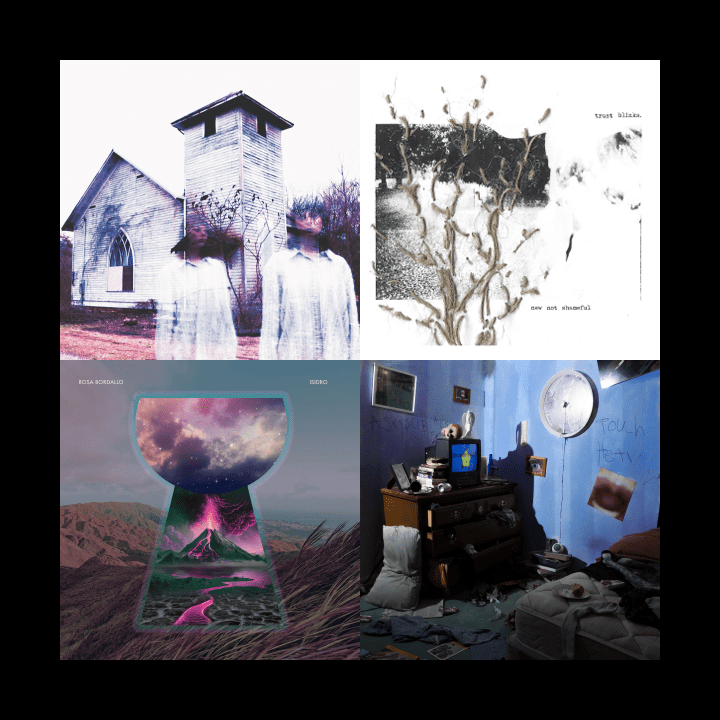
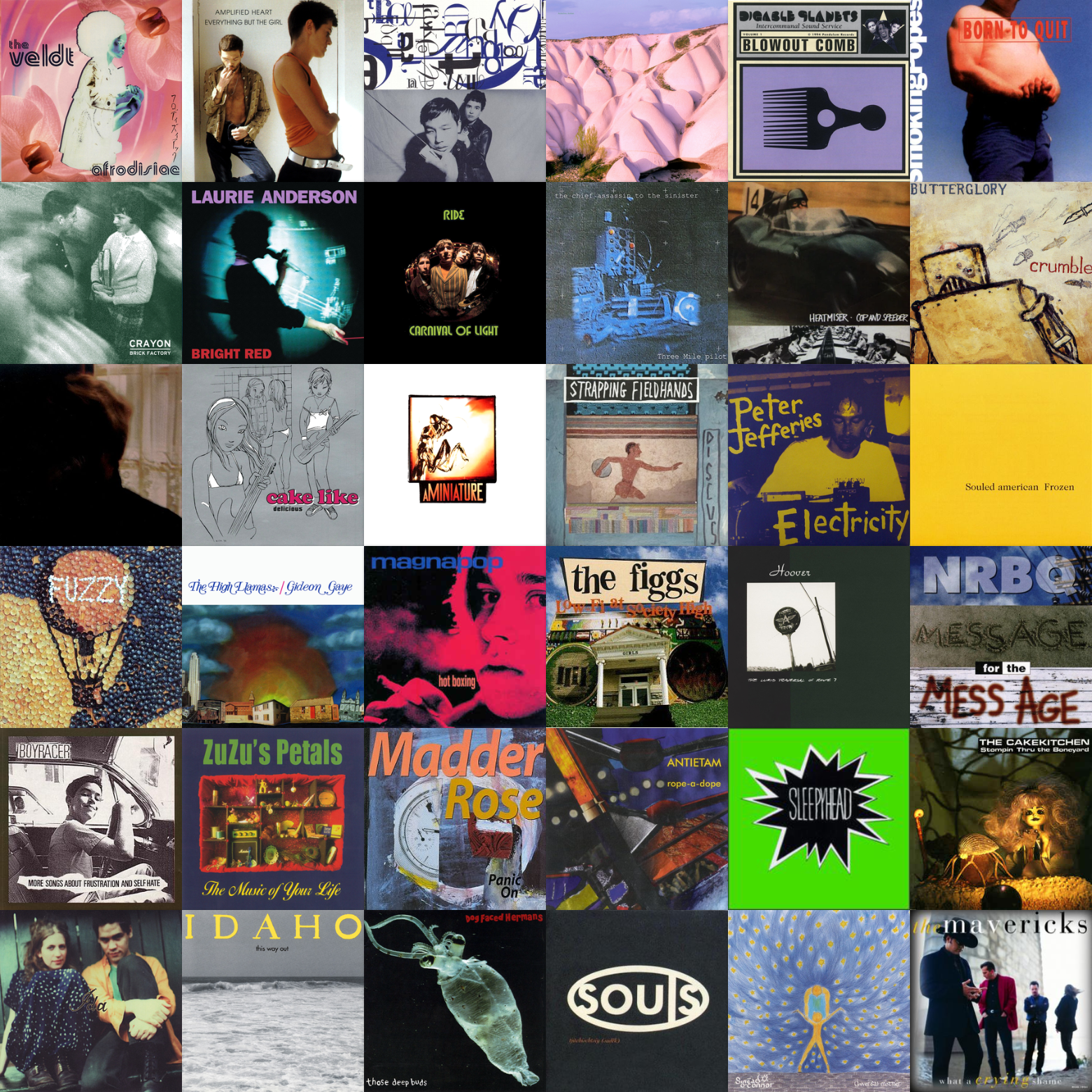
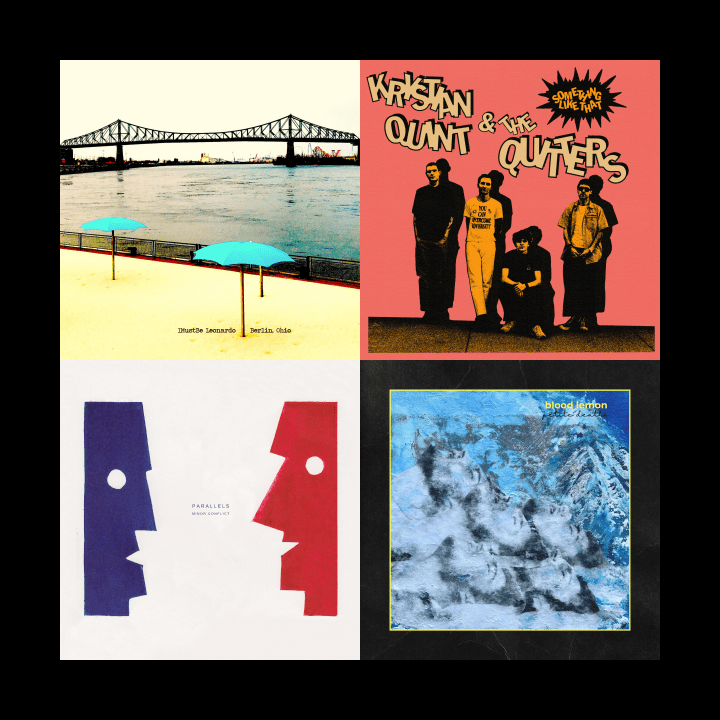
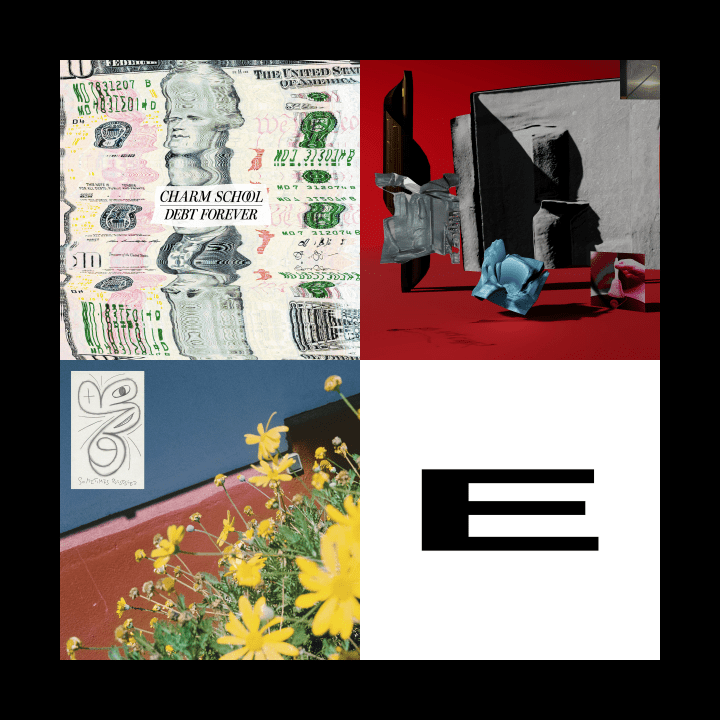
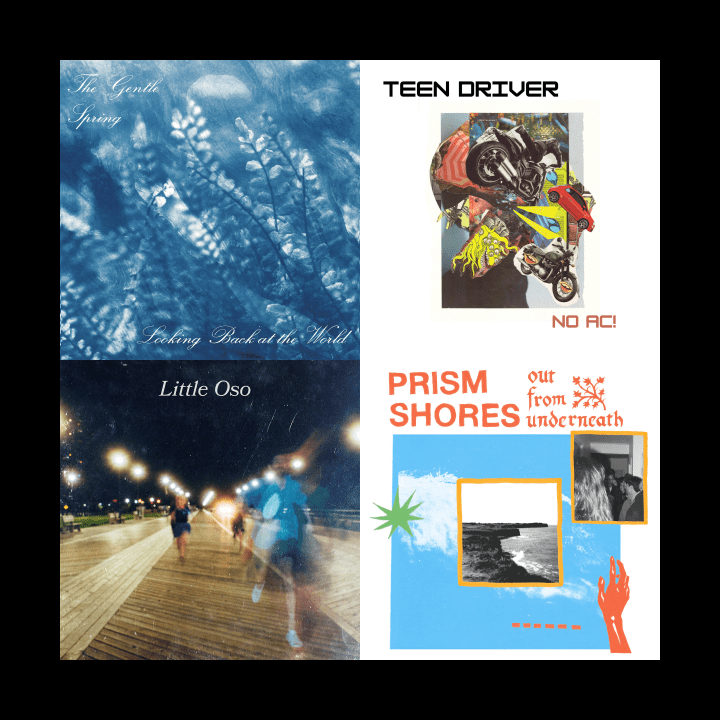
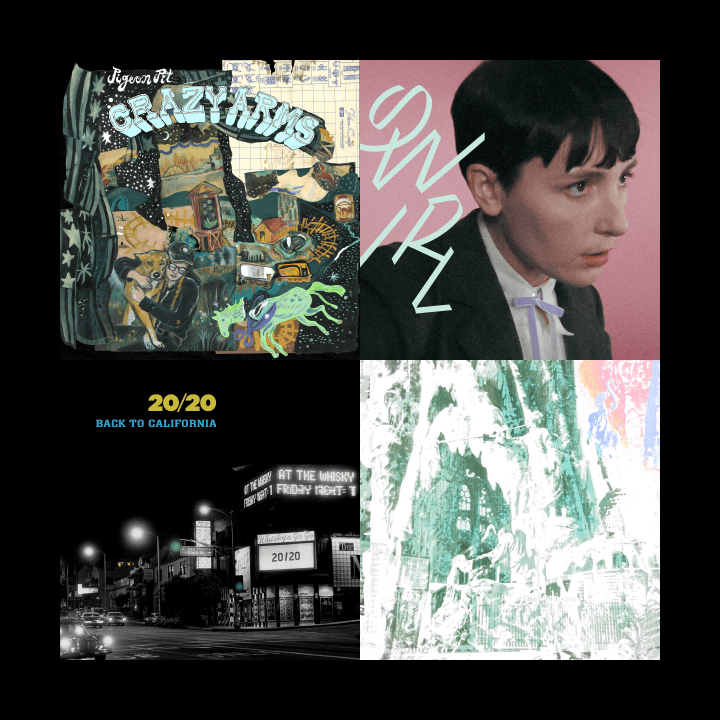
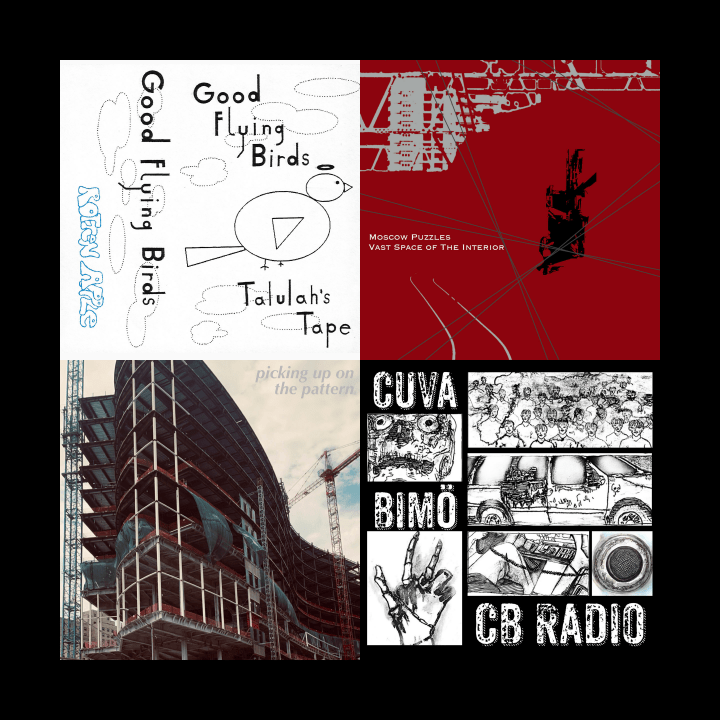
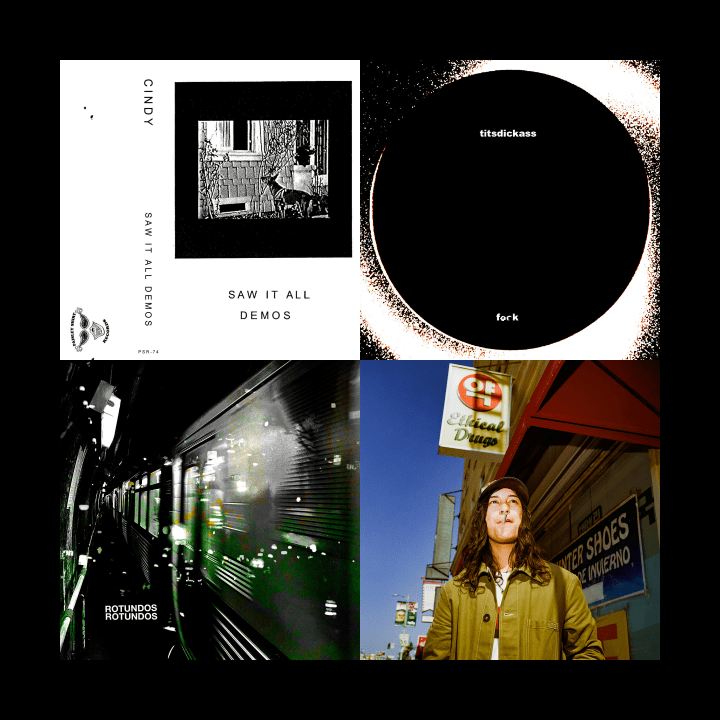
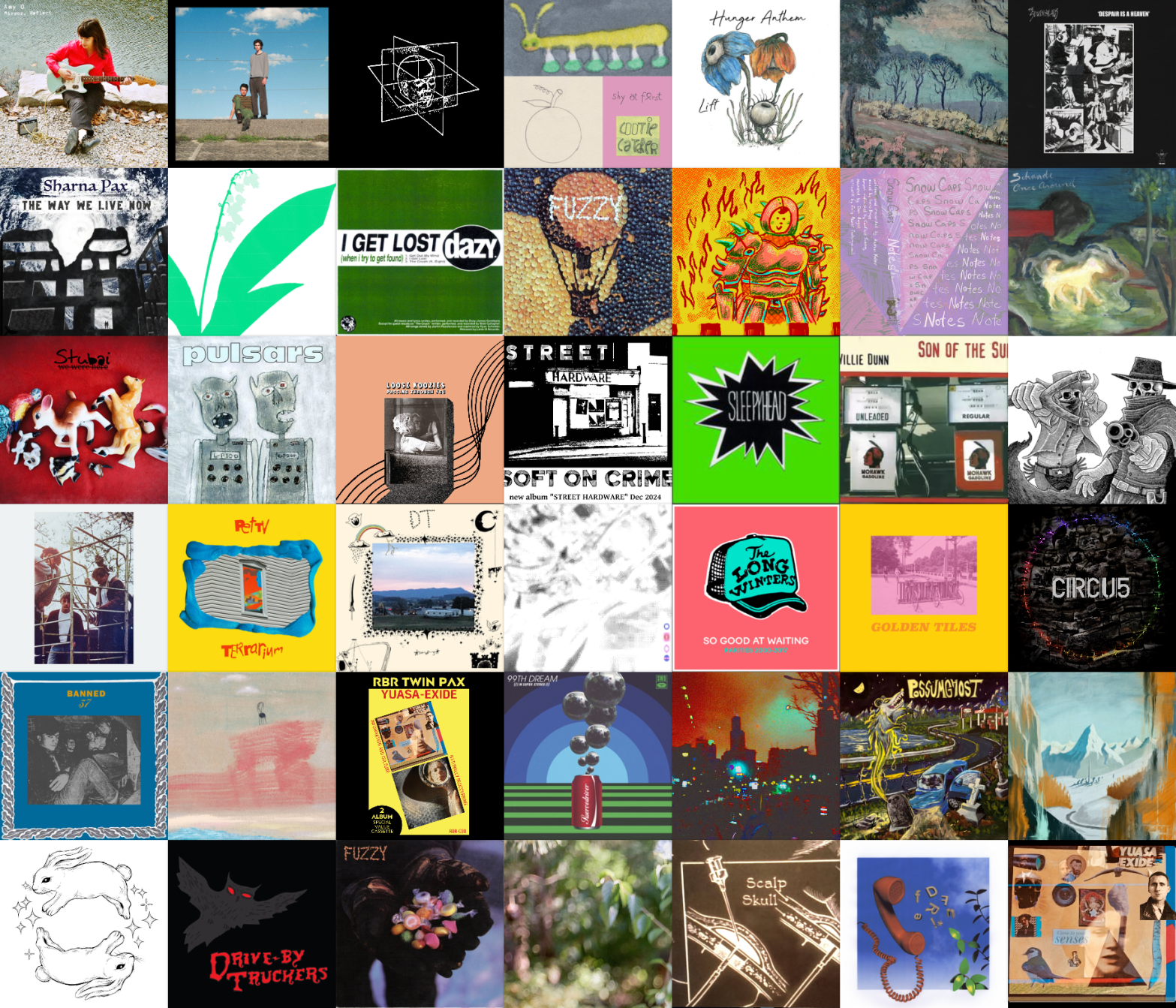
 Rosy Overdrive