Today’s Pressing Concerns looks at new albums from Bellows, Sooner, and Really Great, and a new EP from Mo Dotti. Most of this was written awhile ago and even this intro is several days old at this point, so sorry if anything in here has somehow already become dated.
Release date: March 23rd Record label: Topshelf Genre: Indie pop, indie folk, art pop Formats: Vinyl, cassette, CD, digital Pull track: No One Wants to Be Without a Person to Love
The latest album from Bellows, the project of New York’s Oliver Kalb, has grandiose ambitions, but Next of Kin seems equally concerned with not losing the plot at the record’s sturdy core. Kalb and his group of collaborators (including but certainly not limited to violinist Lina Tullgren, pianist Frank Meadows, and multi-instrumentalist Jack Greenleaf) dress up Kalb’s songs in a colorful, brimming, busy palette throughout the record. Bellows tosses instruments and melodies at you like Kalb and company are rifling through an old chest, looking for something deeper underneath. Even when Next of Kin sounds like the equivalent of a circus or light show, Kalb’s vocals are breathy and impassioned, which preserves the songs’ intimacy. It’s an important wrinkle for Next of Kin, an album that sits with losses that are felt from the slight-remove of the title on down.
Next of Kin is, naturally, a bittersweet record. In songs like “My Best Friend”, “Marijuana Grow” and “Thumb in the Dam”, Kalb is singing about people, places, and times he has loved, and subsequently don’t feel like “sad” songs—even when the past tense is clearly felt. An after-school special piano riff introduces “Death of Dog” in as friendly a way as possible for a song where Kalb starts with the passing his beloved Loubie before delving into the loss of innocence at the heart of Next of Kin. The record’s centerpiece is a six-minute track called “Biggest Deposit of White Quartz”, a fairly dark song that floats across the last few years of Kalb’s life and the world around him in general. It uses the titular quartz sitting underneath Asheville, North Carolina as a jumping off point for a bizarre explain-all theory that, being no more bizarre than reality, illustrates pretty well how the burden of having to make sense of the world of today can lead to broken and astray people.
For a moment in “Biggest Deposit of White Quartz”, Kalb’s friends and family become pieces on a string-covered corkboard, something that only throws the rest of Next of Kin into starker relief. The centering of these strong emotions and interactions, unmoored from time or relationship to the present, are what mark Next of Kin. (Bandcamp link)
Sooner – Days and Nights
Release date: March 25th Record label: Good Eye Genre: Shoegaze, dream pop Formats: Digital Pull track: Boscobel
Brooklyn’s Sooner have been around for over a half-decade and have a couple of EPs to their name, but Days and Nights is the dream pop band’s debut full-length. The group (vocalist Federica Tassano plus an instrumental trio of John Farris, Andrew Possehl, and Tom Wolfson on guitar, bass, and drums) have come prepared for this moment: Days and Nights is equipped with strong, satisfying songwriting and a confident delivery of melodies and vocals in the midst of a genre where neither of which are necessarily required for some degree of success. Opening track “Boscobel” is a flawlessly-executed dream pop single, with Tassano’s vocals soaring to Elizabeth Fraser heights while the band supplies a Sundays-esque a beautiful electric/acoustic guitar mess. Immediately following, the propulsive “Thursday” takes a bit of a different path, holding out for a chorus catharsis, although the melodic bass in the verses is its own reward.
The acoustic “Blue” has the feel of a vintage Smashing Pumpkins ballad, the way it starts out sparse and strummed, then layers on more instruments for a big finish. Possehl’s bass again takes center stage in “Oh”, one of the album’s more hypnotic numbers, but a no less catchy one. Some darker undercurrents pop up in Days and Nights upon further listening, with several lyrics dealing with addiction, depression, or harmful relationships. These topics aren’t too directly correlated with the music—“Thursday” is one of the brightest songs on the album despite the hurt the narrator is clearly experiencing, while one of the darker musical moments on Days and Nights, “Kingdom”, has a more removed and muted lyrical sadness (and this is to say nothing of the horror at the heart of the shimmery “Pretend”). Whatever Tassano is inspired to sing about, she and the rest of Sooner make it satisfying to listen to and follow. (Bandcamp link)
Mo Dotti – Guided Imagery
Release date: March 18th Record label: Self-released/Smoking Room Genre: Shoegaze, dream pop Formats: Cassette, CD, digital Pull track: Loser Smile
Los Angeles’ Mo Dotti make loud pop music. The six songs on Guided Imagery, their latest EP, make extensive use of reverb and noise, but it’s always a tuneful storm, and vocalist Gina Negrini’s voice always finds melodies to match. They’re more of a guitar-forward dream pop band on steroids than a straight-up shoegaze group, even as they’re clearly students of that genre. The pop-friendly side of Mo Dotti is on display early with opening track and lead single “Loser Smile”, an amped-up, propulsive anthem, and the one song on Guided Imagery the band didn’t write, a cover of Stephin Merritt project The 6th’s “All Dressed Up in Dreams”. Mo Dotti don’t sound interested in burying Merritt’s hooks in their cover version, instead working to emphasize them.
Elsewhere on Guided Imagery, the “pop” remains, but Mo Dotti explore the other end of “dream pop” more thoroughly. The title track in particular is a gorgeously-set soundscape, stretching out the song’s simple core over five minutes with lengthy interstitial instrumental passages. “Come on Music” is the other song with a longer runtime, although it reaches its peaks by stringing together a few disparate sections and rocking out all the way through. “Hurting Slowly” takes things down a bit (except for the feedback-laden outro), a bit of minimalist bliss that nonetheless fits right in with the loud family. As friendly as Mo Dotti’s music can be, it’s the stretching out that pushes Guided Imagery over. (Bandcamp link)
Really Great – So Far, No Good
Release date: March 4th Record label: Self-released Genre: Punk rock, emo-punk, pop punk Formats: Cassette, digital Pull track: Bodybag
Allston, Massachusetts’ Really Great are something of a sibling band to (T-T)b. Guitarist Jake Cardinal and drummer Nick Dussault are members of both bands, and Really Great’s vocalist/songwriter Owen Harrelson has played on some of the latter’s music. There’s very little of (T-T)b’s chiptune influence on So Far, No Good, though—Really Great present their ideas with a decidedly guitar-forward pop-punk sheen. Harrelson’s lyrics (which are begging to be described as “confessional”) and voice (which can veer from “tender” to “emotionally strained” in the same song) both remind me of Jeff Rosenstock’s solo material, among other indie/punk influences. Like Rosenstock’s best work, So Far, No Good is a theatrical rock record that ranges from quiet ballads to loud belters.
So Far, No Good kicks off with two rippers in “Missive” and “JO Bud”. Both rock, and both cram in a lot into their brief lengths—Harrelson shouts out The Weakerthans’ “Manifest” as an inspiration for the brief former track, and the latter is effectively Harrelson coming to terms with parts of their sexuality in a two-minute pop songs. Cardinal’s guitar leads are a somewhat surprising highlight throughout So Far, No Good, with spirited playing and even some straight-up solos figuring heavily into the structure of songs like “Bodybag” and “Whole Again”. Elsewhere, the mid-tempo “All My Problems” is one of the record’s most Rosenstock-y moments, the slow-building ballad “Record Breaker” is a surprisingly subtle turn that has a bit of Midwest emo in it, and “Whole Again” is particularly showtune-esque in the way it speeds up and slows down for emphasis.
Finishing this up, I noticed that the themes of So Far, No Good—of loss, that of innocence, friends, and even a pet—is similar in theme to the first record in this post, Next of Kin, but it sounds completely different musically and (maybe less obviously) Harrelson and Oliver Kalb have different ways of addressing it in their writing. Music is cool like that, no? (Bandcamp link)
Today’s edition of Pressing Concerns looks at Skep Wax‘s various-artist compilation Under the Bridge, as well as new records from Patches, Posmic, and Eyelids. This is a great issue for anyone who enjoys pop music.
Release date: March 18th Record label: Skep Wax Genre: Indie pop, twee Formats: Vinyl, CD, digital Pull track: Lost in the Middle
Skep Wax Records was founded last year by Amelia Fletcher and Robert Pursey, most notably of (arguably) 90s twee’s flagship band, Heavenly. Already, the label has released new albums from Fletcher and Pursey’s current bands The Catenary Wires and Swansea Sound—although the work that generally leads off their press bios is getting to be three decades old, the pair come off as artists most interested in continuing to move forward. Skep Wax’s latest release, Under the Bridge, is a celebration and assertion of this impulse, with aid from another dozen-odd bands that feel the same way.
Under the Bridge is a look-in, of sorts—everyone on the compilation released music on Heavenly’s former home of Sarah Records, either in their original form (The Wake, Even As We Speak, St Christopher) or via older bands who did (Jetstream Pony and The Luxembourg Signal come from Aberdeen, Leaf Mosaic from The Sugargliders, etc.). You could spend the length of Under the Bridge multiple times over tracing the lineages of the bands involved, but it’s not required to enjoy the music at all. The music these groups made in their formative period is known for capturing youthful spirit, but the best twee bands did this against the backdrop of great songwriting, itself a timeless quality. The results of thirty years of growth from fourteen similar starting points are, understandably, disparate.
Synths and guitars both abound on Under the Bridge, some groups playing with a completely different sonic field than they did in the 80s and 90s, while others show their evolution in subtler ways. “Subtle” is a good work for Under the Bridge as a whole—these songs sound made by veterans, to stand up with time. The more C86-friendly songs—Evan As We Speak’s noise pop “Begins Goodbye”, a classic indie pop punk tune from Boyracer with “Larkin”, and The Catenary Wires’ “Wall of Sound”—all shine on their own, and in the context of Under the Bridge’s vast ocean of pop craft. Mile markers of the expanse include swirly, double-vocals shoegaze from The Secret Shrine, lightly psychedelic melodies from The Orchids, synthpop from Soundwire, and a song from St Christopher that manages to incorporate a bit of all of the above. Merely being the sum of its considerable parts would make Under the Bridge worth a listen, but the bands on the record don’t sound particularly content to be that yet. (Bandcamp link)
Patches – Tales We Heard from the Fields
Release date: February 25th Record label: Self-released Genre: Post-punk, jangle pop Formats: Digital Pull track: Parallel Mind
Patches are a new Austin-based trio comprised of Evan Seurkamp (of The Laughing Chimes), RKC, and Aaron Griffin. Their debut release is the full-length Tales We Heard from the Fields, a generous 14-song collection that takes cues from all over the map of the past 40 years of alternative rock music. Several hallmarks of post-punk characterize these songs, and there’s also clear influence from classic guitar pop. The instruments and melodies all sound distinct and clear individually, but there’s an overall murky haziness that might get the record tabbed as “lo-fi”. Plodding, expressive bass guitar tempers some of the brighter moments, and hooks still mark the moodier ones.
Tales We Heard from the Fields sets the tone with two 80s-inspired post-punk tunes, with album opener “Plastic and Gold” leaning on propulsive bass and “Canaries” trotting out jagged, frantic guitars and a panicked vocal from Seurkamp. Just when you think you might be getting the hang of what Patches are about, the sunny indie pop of “Parallel Mind” (which I already highlighted a couples weeks ago) blows open the gates. The balance of darkness and light becomes a theme on Tales We Heard from the Fields—songs like the triumphant power pop chorus of “Rosaley” and the chiming “The Back of the Cupboard” sit alongside post-punk workouts like “Wet Cement”, and they both share a shelf with the spacey atmospheres of “A Nice Day to Orbit Saturn” and the swirling textures of “London”. Tales We Heard from the Fields is a deep-probing album, and I’d be curious to hear where the trio go from this starting point. (Bandcamp link)
Posmic – Sun Hymns
Release date: March 11th Record label: Let’s Pretend Genre: 90s indie rock, psychedelia, indie punk Formats: Cassette, digital Pull track: Fading (All Here Now)
The members of Posmic hail from the Baltimore and D.C. areas, and they’ve been releasing music together intermittently for the past two years or so. Their latest and most substantial release so far is this month’s Sun Hymns, an eight-song collection of brief, curious indie rock songs. The songs on Sun Hymns feel like mini-quests: they’re all trying to achieve a specific combination of sounds, and they bow out just as soon as it feels like they’ve gotten there. And there aren’t many bells and whistles on Sun Hymns, either. One of the bands that the press info compares Posmic to is their geographic older neighbors Lungfish, and they do have a similar “sober psychedelia” vibe to those Dischord misfits. It’s lifting music that’s confident enough to do what that genre does in the clothes of 90s indie rock and little else.
Vocalists Emily Ferrara and David Van help with this, I think. Van’s vocals are a light-stepping drone; Ferrara’s are firmer but still sound at a slight remove. They trade off or harmonize throughout Sun Hymns, one of the key bricks in songs like the quickly-congealing fuzzy opener “Fading (All Here Now)” and the stop-start folk rock of “Mynah Hymn”. Posmic are working to transport the listener throughout Sun Hymns: it does feel like solar rays are hitting you directly in the up-close “I Believe in the Sun”, while the energy in “Change My Mind” has a decidedly underground feel. There are a couple late-record surprises, too, like the acoustic “Nosey Posey” and Ferrara’s surprisingly-straight country rock closing track “Black and Blue”. Ferrara’s voice soars alongside the music toward the end of the latter song. It’s the biggest, most forceful moment on the entirety of Sun Hymns…and then the EP ends. (Bandcamp link)
Eyelids – Everything That I See You See Better
Release date: February 25th Record label: Jealous Butcher Genre: Jangle pop, power pop, post-punk Formats: Vinyl, digital Pull track: Everything That I See You See Better
Portland’s Eyelids have been a go-to band for quality guitar pop music since their inception. Led by indie rock ringers and Robert Pollard collaborators John Moen and Chris Clusarenko, and featuring a stable of veterans that now includes Camper Van Beethoven’s Victor Krummenacher, their albums feature reliably strong power pop songwriting and a deft touch to realize it on-record. Their latest release, Everything That I See You See Better, came out of the sessions for the official follow-up LP to 2020’s The Accidental Falls (one of my favorite albums of that year), but it’s a standalone 7” single (they’re calling the digital version an EP, which, at three songs and over ten minutes long, I’ll allow).
In terms of Eyelids full-lengths, it’s most similar to 2018’s Maybe More, which mixed new original songs with covers and live tracks. The two original tracks on Everything That I See You See Better are both runs at what Eyelids does best. The title track floats through arpeggiated guitar lines and heavenly vocal melodies, and “Wayhome” cranks up the fuzz a bit but it’s still a spirited pop tune at its core. It’s the third track, a cover of The Fall’s “Fantastic Life”, where Eyelids really veer off a bit. Their version of the tune (originally a non-album single that’s appeared on deluxe editions of Room to Live and Slates) doesn’t try to pretty things up—it remains faithful to the chaos of the original, even to the point of enlisting original Fall drummer Paul Hanley to help recreate the two-drummer stomp of the era of The Fall from which it came.
Whether or not Everything That I See You See Better is in any way indicative of what the next Eyelids LP will be like, I couldn’t say—I would guess that the first two songs reflect the future to some degree, though I wouldn’t be mad if a little bit of the third found its way there as well. The results are solid and worthwhile on their own, nevertheless. (Bandcamp link)
The second Rosy Overdrive post of the week, following Monday’s February overview/playlist, looks at two reissues out this Friday: Feeble Little Horse’s Modern Tourism (on cassette, with bonus tracks) and Massage’s Oh Boy (on vinyl), as well as new records from Star Party and Premium Rat.
Release date: March 11th Record label: Crafted Sounds Genre: Shoegaze, noise pop Formats: Cassette, digital Pull track: Modern Tourism
I probably heard more good music from Pittsburgh in 2021 than I did in every other year combined, thanks to (among others) records by Gaadge, Barlow, and the first full-length album from Feeble Little Horse, last October’s Hayday. Some of that was either directly or indirectly due to the Pittsburgh-based Crafted Sounds, who are also responsible for reissuing Feeble Little Horse’s only other release thus far, their debut EP Modern Tourism. Although the EP (which originally came out last May) is less than a year old, Feeble Little Horse is already a markedly different band: it was recorded before bassist/vocalist Lydia Slocum joined the band (although she contributed by designing the record’s cover art).
Even accounting for the lack of Slocum’s voice, Modern Tourism is still a ways off from Hayday’s frantic, chaotic noise pop. It’s more casual, with Sebastian Kinsler and Ryan Walchonski’s uncertain voices giving it the vibe of Found Music, stuff that just kind of appears on the Internet (especially in their 50-second cover of “I Am Smoking Cigarettes Again”, originally by similar-minded project Adrenaline, Etc.). The two opening tracks are both ramshackle, rough-around-the-edges lo-fi pop rock songs that are probably the most immediate ones on the EP, but the title track’s slowcore-infused restraint might be my personal favorite moment.
Crafted Sounds’ reissue also comes with another five songs’ worth of bonus material, and it’s a solid addendum/appendix to Modern Tourism: the aforementioned Gaadge is featured prominently, covering and being covered by Feeble Little Horse (FLH’s trip-hop/acid-test version of “Murphy’s Law” is a highlight), we get a downer pop version of “When You Sleep” by My Bloody Valentine, and the one Feeble Little Horse original in the mix (“18 Kids”) is a curiosity that doesn’t sound like anything else they’ve done so far. (Bandcamp link)
Star Party – Meadow Flower
Release date: March 11th Record label: Feel It/Tough Love Genre: Garage punk, noise pop Formats: Vinyl, digital Pull track: Push You Aside
Seattle’s Star Party is a collaboration between Carolyn Brennan and Ian Corrigan, who have created a hell of a noise pop album together with their debut record under the name. Meadow Flower is blown-out pop music at its finest, with Brennan’s voice setting up melody after melody over top of instrumentals cranked to eleven almost all the time. Meadow Flower shares a love of hooks with the twee/K Records bands from Star Party’s native Pacific Northwest, as well as the punk sensibility that runs through a lot of that music, both of which battle against a roaring sound that recalls late 00s/early 10s acts like Times New Viking and early Cloud Nothings.
“You and Me” kicks Meadow Flower off with a garage rock rave-up, and “Living a Lie” keeps the energy up for a fun indie pop punk number. The record’s sugary attitude is only amplified by the lo-fi production and instrumentation choices; “Shot Down” employs a galloping drum machine beat that the rest of the song works overtime to complement, none of which gets in the way of Brennan’s drolly catchy vocals. Under the fuzz, “Veil of Gauze” snakes its way to a smoking garage rock final refrain, the wall of sound congealing into something glam-like.
The gentle title track is a pastoral thing, featuring minimal percussion led along by reverb-heavy jangle guitar and plodding bass, and it’s Meadow Flower’s one true reprieve—although album closer “A Trip Home” merits a mention here too, as it does feel a little more subtle than the rest of its pummeling kin. “You’re a human being, you make mistakes,” is the last thing Brennan says on Meadow Flower; whether it’s meant as reassurance or warning gets lost in the actual ending of the record: more fuzz. (Bandcamp link)
Massage – Oh Boy (Reissue)
Release date: March 11th Record label: Mt. St. Mtn. Genre: Jangle pop, post-punk, college rock Formats: Vinyl, digital Pull track: Lydia
Oh Boy (and, by extension, the band Massage itself) is the product of a group of musically-inclined acquaintances congealing into an actual band, and it sounds like it. Not in the casual “sloppily-recorded and –played basement jams”, way, no—Massage are decidedly not that kind of band. But the Los Angeles five-piece group sound excited about their ideas, how they’re going to present them, and who they’re presenting them with throughout Oh Boy, originally released in 2018 and recently re-pressed by Mt. St. Mtn. after a successful 2021 for the band.
There’s a song midway through the record called “Under”. It’s not my favorite song on Oh Boy, but it’s good, and basically just repeats one line over and over again (“Dummy lyrics”, the song’s notes describe them). You could drive yourself mad trying to figure out why “Under” works, or just accept that it does and roll with it. “Under” is a good centerpiece for the record—it’s got a propulsion that sets it apart from the record’s more wistful songs, but despite its zippiness it has a simplicity in tune with Oh Boy’s quieter moments.
The upbeat songs (the lightly anthemic “Lydia”, the giddy “Kevin’s Coming Over”, the melody-working-overtime “Liar”, the post-punky “Cleaners”) all sound like lost college rock singles that maybe showed up on some compilation once. The dreaminess that caused me to place 2021 Massage firmly on the “rainy day” side of jangle pop is still there even in these tracks—and conversely, there’s a clarity in the slower songs like “Gee”, the title track, and even the sparse closing track “At Your Door” that works to bridge the gap. Oh Boy is probably the Massage record that is least interested in deliberately cultivating a single mood throughout, but they were already doing it. (Bandcamp link)
Premium Rat – Cope
Release date: February 25th Record label: Self-released Genre: Indie folk, alt rock Formats: Digital Pull track: Hide, Not Seek
“It’s not really funny, but it’s how I cope,” allows Ypsilanti, Michigan’s Mer Rey at the conclusion of “Intro”, appropriately the first track on the latest EP from their solo project Premium Rat. What follows is the bulk of Cope, a whirlwind of poppy alt-rock and spare indie folk, both of which are emotional if not formally “emo” (it hits similar beats for me that last year’s Harmony Woods record did). Cope’s six tracks feel fleshed out and the record as a whole feels self-contained—the EP’s unflinching look at both interpersonal and intrapersonal roughness helps its 21 minutes feel quite full.
Second track “Hide, Not Seek” is also Cope’s most musically upbeat song, which, combined with the (maybe) figurative scorched-earth lyrics, send the EP into a tailspin from which it seems to try to recover for the rest of its length. “Vindicated” and “I Asked” are both gut-punchers, the former finding Rey exploring a snythpop-curious sound to “celebrate” the hollow titular emotion and the latter dragging things out as slowly and painfully as possible. “Tell Me That We Made It” closes out Cope on a subdued, uncertain note, but compared to the aforementioned songs (not to mention the quite literal “Deathwish”), it suggests there might be something to Rey’s declaration in the intro track. (Bandcamp link)
Rosy Overdrive’s February 2022 review/overview/miscellaneous listening report is here! There is a lot of great music from this year out already, and my selections reflect this. In terms of older music, I’m well into a 1992 deep dive, so you’ll see a few songs from that year mixed in as well. Big Thief has two songs on the playlist this time around (Big Thief? Big Thief!).
Here are some streaming links for your convenience: Spotify, Tidal, BNDCMPR (with what’s missing on each format noted in the description). Be sure to check out previous playlist posts if you’ve enjoyed this one.
“Parallel Mind”, Patches From Tales We Heard from the Fields (2022)
Now, here is a pop song. Tales We Heard from the Fields is a very good record, and “Parallel Mind” sticks out in particular among the Austin band’s offerings. There is no shortage of modern bands taking influence from the globe of classic guitar pop—Guided by Voices from the States, C86 and Sarah Records across the pond, Flying Nun in the southern hemisphere. Many of the resultant music is good, but “Parallel Mind” is one of the few songs that actually sounds like it actually could’ve come from those earlier waves. The mid-fi production, the plodding melodic bass, the frantically strummed acoustic guitar, the plain but confident lead vocal—this is the most Dunedin thing I’ve heard in quite a while. Read more about Tales We Heard from the Fields here.
“Mavis of Maybelline Towers”, The Loud Family & Anton Barbeau From What If It Works? (2006, 125/Omnivore)
After reissuing the entire Game Theory catalog, Omnivore’s next Scott Miller-related release is a bit more off the beaten path, but I’m no less excited for it. I’m sure that I’ll have more to say about What If It Works?, Miller’s collaborative album with Anton Barbeau and the last record of his to be released in his lifetime, at some point, so I’ll just focus on “Mavis of Maybelline Towers”. It is, at least graded on the curve of Scott Miller-penned songs, a surprisingly straightforward garage pop/rock skeleton, but there’s plenty going on underneath—perhaps best illustrated by how the music stops at the end, illuminating just what the backing vocals had been doing the whole time. And some classic Miller lyrics, too (What rhymes with “Maybelline Towers”? Why, that’d be “make-believe hours”).
“Daughter”, Lady Pills From What I Want (2022, Plastic Miracles)
“Daughter” opens up What I Want, Lady Pills’ latest album and a compelling record of pop rock from an emerging songwriter in Ella Boissonnault. “Daughter” is on the pop side of things, but it’s apparent early on from Boissonnault’s words that she’s got plenty to say, light, bouncy, rootsy backdrop or no. Boissonnault’s voice is as straightforward as the music, but I’m actually not totally sure about everything going on in the lyrics—the chorus and the opening lines evoke the “I have a daughter” trope some men use as a justification for treating women well, and a little bit about the societal expectation of pain and struggle in Boissonnault’s life (“There’s magic in loss and heartache in growth / I’m grateful for all the love, but I’m fed up with them both”). Great song!
“A Lot of Finding Out”, Big Nothing From Dog Hours (2022, Lame-O)
Philly’s Big Nothing veer hard into weary, hooky “heartland punk” with their sophomore record Dog Hours, and lead single “A Lot of Finding Out” is a shining example of what they’ve got to offer. It’s a two minute song that’s basically all chorus, with guitarist/vocalist Matt Quinn deftly shifting between brief but memorable verse melodies and shouting out the titular line for all it’s worth. Read more about Dog Hours here.
“Just a Cue”, Julia Blair From Better Out Than In (2022, Crutch of Memory)
I’ve known Julia Blair as a member of Appleton, Wisconsin’s country rock group Dusk, contributing piano, violin, and vocals on highlights like “Done Nothin’”. Her debut solo record, the amusingly-titled Better Out Than In, will appeal to Dusk fans, even as Blair takes strides in establishing her own sound on the album. Dusk have a classic retro pop-rock streak to them, and Blair explores this fully on Better Out Than In. A lot of the songs on the record excel at finding a groove and riding it out, with Blair repeating a few key lyrics and the music form-fitting to them. “Just a Cue” is a soul-influenced pop song, with an irresistible bass guitar popping out and Blair wringing everything she can out of “Love to you is just a cue / To break somebody’s heart again” (which is a lot).
“I Wanna Put My Tears Back”, Ancient Shapes From Ancient Shapes (2017, New West)
Here’s our Daniel Romano pick of the month. In some ways, the self-titled debut from Ancient Shapes is the most rewarding record under the Romano umbrella that I’ve heard yet. The ten-song, sixteen-minute…album? (physically, it’s a “double A-side 12” LP”, with the entire thing on either side of the record) is “Daniel Romano as punk rocker”, to a degree, but “I Wanna Put My Tears Back” is basically just a 90-second power pop song. The verses are sort of darkly melodic, the drumbeat feels like it should be either a little faster or a little slower and subsequently keeps you on your toes, and the chorus is lethally catchy.
“Stranger”, Sarah Shook & the Disarmers From Nightroamer (2022, Abeyance/Thirty Tigers)
Nightroamer has been in the tank awhile, from my understanding—the follow-up to 2018’s excellent Years has been plagued by a weird and depressing label situation and, uh, an actual plague, but it picks up right where Sarah Shook & the Disarmers left off. A lot of Nightroamer finds the North Carolina-based band allowing Shook’s songwriting to stretch out just a little more than in the past, but “Stranger” is one of the more “traditional” ones on the record. It’s a big country-rocker with a sing-song chorus and steel guitar floating around in the midst of Shook’s firm resolution to the addressee of the song. Shook’s vocals aren’t typically “cheery”, but they muster up enough to sell the contrast in “Please be a stranger”.
“Time Escaping”, Big Thief From Dragon New Warm Mountain I Believe in You (2022, 4AD)
So, this new Big Thief double album, no? I’ve been on the Big Fence about them for years now, rolling my eyes at some of the hyperbolic praise they’ve gotten even as the electric catharsis of Two Hands scraped my 2019 year-end list and I’ve been impressed by the business of the band’s members. But I’m fully on board with Dragon New Warm Mountain I Believe in You—and I think “Time Escaping” was probably the moment I realized it was happening. After a good but understated folk opener, the rhythmic clanging of “Time Escaping” is the first sign that A) this album is going for it and B) it’s succeeding.
“He Loves Me”, This Is Lorelei From Falls Like Water Falls (2022)
Nate Amos may not be churning out music as This Is Lorelei at the ridiculouspace he was setting in the middle of last year, but his first release under the moniker in 2022 doesn’t disappoint. Falls Like Water Falls (which Amos apparently found time to make in between full-lengths from the two bands he’s also in, Water from Your Eyes and My Idea) is a mix of weird airy minimalism (“Woof!”), Elliott Smith indie-folk (“He Was Leaving”), and sharp pop songs like “He Loves Me” that altogether feel like fully-realized in spite of the jumping around. “He Loves Me” is all sunshine and eager pop rock chord progressions, brilliantly simple.
“Freeway in Heaven”, Emperor X From The Lakes of Zones B and C (2022)
Emperor X (aka Chad Matheny) wears many hats. Two of the biggest ones are polar opposites—that of surging, modern folk anthems and of inward-facing, gentle electronic explorations. But there’s (at least) a third one: the grounded, mid-tempo, rolling Emperor X. Emperor X as adult contemporary. Some of Matheny’s best and most interestingwork comes in this form, and “Freeway in Heaven”, the lead single from the upcoming The Lakes of Zones B and C, is no different. It’s a sunny drive to the beach that takes turns both atomic and cosmic; the lyrics read like something of a parable, especially with the repetition of a line that can’t help but feel mocking in light of some of the shock and awe in the second verse (“Their intentions were good / And I hope that matters”). The extremely-Matheny-catchy chorus is very much a “chorus” in the original sense—a choir informs the audience that the titular freeway is empty, and that “Inflation’s getting out of control / But the money’s fake so no one cares”. Not on streaming services—listen to/download it on Bandcamp while you still can.
“Twisterella”, Ride From Going Blank Again (1992, Sire)
Ride were the best of the “big shoegaze” bands because they were just an incredibly killer guitar pop band with the reverb ramped up (my apologies to Kevin Shields stans and people who can tell Slowdive songs apart). Like with the Polvo entry later on in this post, I revisited Going Blank Again after a bigger record of theirs “hit” with me (Nowhere, obviously) and it sounds a lot better this time around. I could’ve chosen a few from Going Blank Again, but let’s not overthink this: “Twisterella” is note-perfect power pop excellence for its whole 3.5 minute run. The verse melodies have that 90s Britpop casual cool thing going on, but the surprisingly reserved chorus is appropriately bashful.
“Holiday World”, Mister Goblin From Bunny (2022, Exploding in Sound)
“You’re stuck with me now, here in Holiday World / You’re right to be afraid,” announces Sam Goblin in the opening line of the first single from his upcoming third record, Bunny. I don’t know if the lyrics are an intentional nod to a certain older D.C. band that has more than a little in common with the music of Mister Goblin, but it’s either way it’s an exciting new motto for the Maryland-originating, Bloomington-based project. Goblin has talked about Bunny in a way that’s implied it’ll be heavier than 2021’s Four People in an Elevator and One of Them Is the Devil (one of my favorite albums of last year), but “Holiday World” could’ve fit easily on that record if it sounded a little more homespun and less polished. Not that I want it to be, mind you—as it is, it goes into the Mister Goblin muscular post-punk pop hall of fame easily. Read more about Bunny here.
“Soul Tied to a Stranger”, Jon the Movie From A Glimpse That Made Sense (2022, New Morality Zine/Cauldron of Burgers)
Jon the Movie’s A Glimpse That Made Sense is a curiously compelling debut release from the project, a one-man-band helmed by Long Island musician and artist Jon M. Gusman. The album as a whole synthesizes Gusman’s love of 90s alt rock/indie rock/punk rock with the prog rock that was a formative influence on him. That sounds decidedly Bob Pollard-esque, and the lo-fi pop of “Soul Tied to a Stranger” is on Guided by Voices levels of basement catchiness. Read more about A Glimpse That Made Sense here.
“Snake”, Sadurn From Radiator (2022, Run for Cover)
I became aware of Sadurn last year after their contribution to the most recent Under the First Floor compilation—their version of what ended up becoming the title track to Radiator was one of that comp’s clear highlights. I was eager to see where the band went from there, and thankfully Run for Cover has picked the Philadelphia band up and their debut full-length record is coming out in a couple months. Lead single and opening track “Snake” is sharp mid-tempo alt-country, not at all too busy but taking advantage of Sadurn founder Genevieve DeGroot’s expanding the band to a four-piece. DeGroot’s vocals are near-perfect for the song—“Snake” is strong enough that they didn’t have to be, but it certainly helps take it up a level. Read more about Radiator here.
“Ortolan Sung”, Zinskē From Murder Mart (2022)
The first full-length from Philadelphia’s Zinskē has a number of calling cards, not the least of which is vocalist Chris Lipczynski’s ever-stoic presence throughout Murder Mart. “Ortolan Sung” is, musically speaking, the band’s biggest moment on the record, featuring a lightly dire lead guitar intro courtesy of Kevin O’Halloran and a lifting chorus. Lipczynski raises his voice just a little bit in the refrain to “Ortolan Sung”, which in context becomes the equivalent of breaking with emotion. Read more about Murder Mart here.
“Rosy”, Cashmere Washington From Almost Country for Old Men, Electro Country for They/Them (2022)
“Rosy” is Almost Country for Old Men, Electro Country for They/Them’s big-finish final track, the EP’s biggest jolt of unbridled catharsis, and a key moment in the Cashmere Washington journey thus far. Thomas Dunn was inspired by the romantic simplicity at the end of Adam Sandler’s The Wedding Singer and a resolution to pair grief with upbeat backing music to create this vibe-driven cypher of an anthem. Read more about “Rosy” here.
“The Best Ever Boom Box Cassette Tape from Durham”, Fishboy (2022, XLFNT)
The conceit behind “The Best Ever Boom Box Cassette Tape from Durham” is that it’s a response to “The Best Ever Death Metal Band in Denton” by the Mountain Goats performed by somebody actually from Denton—that is, Eric Michener of Fishboy. It’s not really about that other song, though, or even Denton, Texas. It’s about the funniness of human interaction, the meaning ascribed to geography, and (a common theme for Fishboy) the long-lasting power of art. Michener cycles through a rotely-memorized spiel about how no, John Darnielle isn’t actually from Texas, no, Fishboy isn’t a directly Mountain Goats-inspired band even though they sound kind of similar—perhaps a hyper-specific “literate indie folk rock” version of how the only thing people know about West Virginia are the words of a man who didn’t even know what state he was singing about, or when people know more songs called “Africa” by Toto than they do anything about an entire continent (Besides, Fishboy’s biggest “not actually influenced by” soundalike band to me is Okkervil River, who are really from Texas).
Of course, a lot can be dulled in the repetition of a single conversation, like how it’s actually cool that total strangers can share things like recognizing the 27th-largest city in Texas due to a reference on their favorite album, or that this one Mountain Goats song recorded in Colo, Iowa in the early 2000s, released on CD through Emperor Jones Records in 2002, reissued on vinyl via Durham’s Merge Records in 2013, and finally issued on cassette for the first time ever early this year will in time both outpace and outlive all of us, including even the person who wrote it (and the person who wrote about the person who wrote about it).
I remember seeing the Mountain Goats live in, oh, well, it was quite some time ago now—when it was time for the encore, they brought out opening act The Baptist Generals, who, they triumphantly announced, are actually from Denton, Texas. The entire audience in the mid-sized Midwestern city I was in at the time—full of people who had likely never been to Denton, much less had any personal connection to the place—knew what that meant, and cheered loudly.
“Year of the Dog”, Giant Sand From Center of the Universe (1992, Restless/Fire)
It feels like I’m revisiting a lot of bands that have shown up on these playlists before this month, and Giant Sand is no exception. I think Center of the Universe might be one of the most complete and consistent Giant Sand albums I’ve heard so far—not that it’s not bonkers in places, but it’s got the right mix of Howe Gelb going off the rails versus his dead-eyed, potent alt-country songwriting. “Year of the Dog” features so much of the latter than it’d be easy to miss that the song doesn’t have much of a structure of which to speak. It does have Gelb finding fertile ground in one of the greatest avatars of country music (the, uh, dog) and some nice organ accents.
“Cold Brew”, Shamir From Heterosexuality (2022, AntiFragile)
Heterosexuality is not the Shamir album that hews closest to the styles of music I personally enjoy, but it might be my favorite album of his to date. I could’ve gone with the pop rock balladry of “Reproductive” or the industrial pop force that is “Cisgender”, but “it’s cold brew and ginger beer”, that’s what I keep coming back to. It’s an extraordinarily friendly synthpop song about trauma, nightmares, being an empty shell and the like. Shamir sounds like he’s singing from outside of himself, coldly observing the person using nice drinks to drown out something alarming (“The fog in my eyes, much to my surprise / Keeps me going in the midst of hate”).
“There But for the Grace of God Go I”, The Gories From Outta Here (1992, Crypt)
“There But for the Grace of God Go I” was a minor disco hit in 1979 for the New York funk/R&B group Machine, a five-minute curiosity that touched on everything from racism, suburbanization, drug abuse, and inter-generational tension over a bouncy groove. In 1992, The Gories turned it into a worried, dirty garage rock report that upped the urgency. Mick Collins’ vocals were never going to match the technical perfection of the original, but he does an admirable job, bouncing between imparting the song’s story and howling when the words call for it. And the pounding drumbeat is just an effective backbone, if not more so.
“Peng! 33”, Stereolab From Peng (1992, Too Pure)
Yes, yes, I Know. Peng is the “sorta” Stereolab album, the unremarkable debut that preceded an adventurous, experimental, exciting run of records in the mid-to-late-90s, the one where they hadn’t yet shaken off their indie pop roots. Thing is I like indie pop, and I like Peng, probably a good deal more than most of the canonical records. “Peng! 33” is perfect cascading noise pop, with shiny, invasive guitar chords blaring at the listener from the first moment. The lyrics are apparently from Garcia Marquez’s One Hundred Years of Solitude, a book I read once, too long ago to have any relevant insight about them but, between the two pieces of art, makes me want to read, and to read into. Some of the most rewarding music out there sounds like this, example A.
“Wringing Out My Brain”, Sonny Falls From Stoned, Beethoven Blasting (2022, Forged Artifacts)
In the musical no-man’s-land of late December of 2020, I discovered Sonny Falls’ All That Has Come Apart / Once Did Not Exist, a massive double album of messy, alt-country-tinged “existentialist garage rock” that’s probably one of my favorite albums of that year in hindsight. While Sonny Falls (led by Chicago’s Ryan “Hoagie Wesley” Ensley) may have constrained themselves to “merely” a single record for the upcoming Stoned, Beethoven Blasting, there’s still a lot going on in it, and “Wringing Out My Brain” is the perfect example. It feels like a brief burst of garage punk—I was actually surprised when I noticed it’s nearly four minutes long—with Ensley’s alternatively tossed-off and assertive vocals fighting for space among the noise. Read more about Stoned, Beethoven Blasting here.
“Levels”, Howless From To Repel Ghosts (2022, Static Blooms)
The debut album from Mexico City’s Howless is a sleek record that enthusiastically evokes shoegaze, 80s post-punk, and even synthpop in a few places. To Repel Ghosts naturally picks up on some of the “moodiness” of those genres, but lead single and album highlight “Levels” shows they can be bright when they want to be. It’s a shiny indie pop song that has a bit of everything: shimmery, jangly, C86-esque guitar flourishes, new wave-y melodic bass, some handclap and drum machine action, and some alt-rock distortion than comes and goes. Dominique Sanchez’s vocals are understated but still fully selling you on the melody.
“Vanish (But That’s My Hometown, Marcus)”, Die! Die! Die! From This Is Not an Island Anymore (2022)
Auckland, New Zealand’s Die! Die! Die! have been making music as a trio for most of this century, but This Is Not an Island Anymore is the first record of theirs I’ve heard in full. If you like classic noise rock, you’ll find plenty to enjoy here, although I think “Vanish (But That’s My Hometown, Marcus)” is the one that can cross the aisle. It’s something of the album’s “pop moment”—they don’t turn down the low-end pummeling, no sir, but it’s the song where Andrew Wilson’s vocals back off from their usual “screeching” and “barking” mode into something rather simple and, in the chorus, actually somewhat melodic.
“I Was a Kaleidoscope”, Death Cab for Cutie From The Photo Album (2001, Barsuk)
Aside from a few random songs, non-Transatlanticism Death Cab for Cutie has always been a bit of a blind spot for me, but I’ve always been a Ben Gibbard defender, so I listened to The Photo Album in full for the first time last month. It didn’t blow me away, but it’s a solid, sturdy indie rock record, and “I Was a Kaleidoscope” is quickly becoming one of my favorite Gibbard-involved songs. Although they eventually morphed into something I like more, I also enjoy the band in “hooky 90s indie rock” mode, and even in with the alt-rock chug of the song, Ben Gibbard is already 100% 2000s indie celebrity Ben Gibbard.
“Little Prince”, Spring Silver From I Could Get Used to This (2022)
“Little Prince” is the lead single from I Could Get Used to This, the latest record from Silver Spring’s Spring Silver, which is not out when I’m writing this but probably will be by the time this goes up. Spring Silver is the project of artist K Nkanza, whose recent singles mix D.C.-inspired post-hardcore and indie rock with electronic and melodic flourishes. “Little Prince” is a seething, catchy rock song that reminds me a little bit of Mister Goblin (who sings on this song as one of the record’s many guests musicians, a list that also includes Bartees Cox Jr., Dylan Baldi, Theo Hartlett, and Sadie Dupuis). Nightmare synths and blaring guitars duel around Nkanza’s blistering lyrics and vocal delivery.
“Sweeping”, Joe Kenkel From Naturale (2022, Earth Libraries)
Another month, another Styrofoam Wino. I highlighted the sophomore album of the Nashville supergroup early on in Rosy Overdrive’s history, and one member’s solo album late last year, and early 2022 has brought us Naturale, the latest album from noted Wino Joe Kenkel. Kenkel’s songs were some of the lighter and spacier moments on Styrofoam Winos, and “Sweeping” inhabits the same territory. Kenkel’s acoustic guitar and humble vocals are in a familiar dreamy country/folk style, but like a lot of Naturale, there’s a drum machine and synths hanging out in the background that’s reminiscent of another side of Kenkel, that of 80s sophisti-pop. It’s all very neat and evocative, and when Kenkel raises his voice toward the end, it subsequently hits harder.
“Live Again”, Mal Devisa From Kiid (2016, Self-released/Topshelf)
On the day that I’m writing this, everybody’s talking about a big “team up” in the music industry about which I’m a bit leery, albeit not yet doomy. One partnership I’m fully on board with, though, is Topshelf Records’ signing of Mal Devisa (aka Deja Carr) and managing her back catalog (including Wisdom Teeth, which I wrote about last year). Topshelf is also physically releasing one of Carr’s most beloved records, 2016’s Kiid, so it seems like a good time to revisit it. Album highlight “Live Again” is a quiet showcase of everything great about Mal Devisa—even with just Carr’s voice and minimal guitar playing, it’s an attention grabber.
“Simulation Swarm”, Big Thief From Dragon New Warm Mountain I Believe in You (2022, 4AD)
I decided to go with one of the more “normal” tracks for my second Dragon New Warm Mountain I Believe in You pull (believe me, I was this close to doing “Little Things” instead)—“Simulation Swarm” is such a calming blue hole track in the final stretch of the record. I tap in and out of Adrianne Lenker’s manifestos (they’d be called this more widely if she had any other singing voice), but the half-awake meanderings are just the right level of soothing in this song—and there’s clearly a lot of depth held in these lines of you’d care to look.
“This Night”, Superchunk From Wild Loneliness (2022, Merge)
Wild Loneliness is, unsurprisingly, a good Superchunk album (I don’t think they make any other kind). Its mid-tempo, Portastatic-y surface make it a bit less immediate than 2018’s What a Time to Be Alive, but I think this one will have even more long-term staying power. Its ten tracks take me back to Here’s to Shutting Up and (especially) Come Pick Me Up, and single “This Night” is an appropriately wistful pop-rocker. It’s in the “hold on to that killer chorus for all it’s worth” genre of Superchunk song (See also: “White Noise”, “FOH”), and the way it holds up the seemingly mundane with ecstasy is an essential wrinkle in the record’s weary sociopolitical fabric.
“Jenny”, The High Water Marks From Proclaimer of Things (2022, Minty Fresh)
Just another fun pop song from some original Elephant Six folks that are still at it–off of a record that’s full of them, to boot. It’s only been a year and a half since late 2020’s Ecstasy Rhymes, but if The High Water Marks are trying to make up the 13 year gap between that record and the one before it, that’s fine with me. Proclaimer of Things is a spirited noise pop album, burying melodies in the lightly psychedelic fuzz of songs like “We Are Going to Kentucky” and the title track, and the catchiest one of them would have to be “Jenny”. Hilarie Sidney, one of the two bandleaders along with her husband Per Ole Bratset, gives the track a simple, sing-song melody that doesn’t waver among the band’s noise.
“Channel Changer”, Polvo From Cor-Crane Secret (1992, Merge)
Once again I am Polvo-pilling you all via these monthly playlists. I was effusive about Exploded Drawinglast time; Cor-Crane Secret isn’t quite as good, but it’s a lot better than I remembered it being—maybe I needed to figure out their other records first. Cor-Crane Secret is, in hindsight, Polvo more or less fully formed—maybe it’s a little more “punk”, but all the ingredients are here in “Channel Changer” alone: the oddly discordant guitars that hinted at where they’d go in the future, the distorted sonic assault (the good, cheap American kind, not the overblown British variety), and the mathy/post-punk building blocks that add rather than distract.
“Save the Circus”, No Monster Club From Deadbeat Effervescent (2022, Emotional Response/Popical Island)
Deadbeat Effervescent is the latest from Ireland’s No Monster Club, the big, colorful pop-rock group led by somebody who calls himself Sir Bobby Jukebox. It’s highly recommended for any fans of unsung indie pop hero Nick Thorburn (The Unicorns, Islands), or for maximalist, whimsical music in general. Lead single “Save the Circus” is a horn-featuring, dancefloor-friendly tune that more than lives up to its name: it’s a dagger of a pop song from every angle. Read more about Deadbeat Effervescent here.
“Teeths”, Modern Nun From Name (2022)
Chicago’s Modern Nun only have a standalone single and one four-song EP to their name so far, but the trio have firm and substantial goals already, speaking about exploring spirituality and queerness in their music. The band takes on a casual folk/country vibe on their latest release, exemplified no better in my personal favorite track from it, the lonesome, sweet “Teeths”. Singer Edie McKenna’s vocals are memorable on every song, but they’re particularly strong on this song; she seems to relish the opportunity to bridge sadness and saccharine.
“Vice Versa”, En Garde From Debts (2022, Count Your Lucky Stars/Storm Chasers LTD)
Less than a year after their debut release, 2021’s long-in-development Debtors EP, the Akron, Ohio duo En Garde now have a full-length record to their name as well. If you liked the EP’s blend of terrified, mewithoutYou-esque barebones post-hardcore with plenty of math-y guitar parts strewn about, Debts delivers this in spades as well. Single “Vice Versa” in particular excels at this; Ross Horvath’s vocals sound as clear and forceful as ever, and the song also finds time for some Dischord-esque muted, chunky guitar riffs as well.
“Kevin’s Coming Over”, Massage From Oh Boy (2018, Tear Jerk/Mt.St.Mtn.)
Towards the end of last year, I highlighted Massage’s Lane Lines EP, which, along with last June’s Still Life LP, was part of something of a breakout year for the Los Angeles band. Their debut record, 2018’s Oh Boy, is being reissued by Mt.St.Mtn. this March, and I’ll have more to say about that soon, but for now here is “Kevin’s Coming Over”, one of the record’s highlights. It’s sunny indie pop, shining a little brighter than some of their more melancholic recent releases, but it still has the wistfulness and the slightly-obscured quality that marks the best of this genre of music. Read more about Oh Boy here.
“Young”, The Best Around (2022)
I would probably be sharing this no matter what it sounded like, out of general principle: I care deeply about the band Silkworm, more people should know about them, and I support any band deciding to cover them. Even so, Austin’s The Best Around do an admirable job of taking on “Young” from 2002’s Italian Platinum, adding to the original without losing the plot. The Silkworm version is a smoky, slow-building piano ballad guest-sung by Kelly Hogan; Camron Rushin is no Hogan (nobody is, short of maybe Neko Case), but the plainly-stated lyrics lose no potency in Rushin’s hands, and the mix of electronic instrumentation (a drum machine beat and synths) with the traditional gives it an interesting hazy vibe, a new spin on the original’s blunt force. I think we’ve had enough covers of “This Must Be the Place (Naïve Melody)”, “These Days”, and “Hallelujah” in my lifetime—it’s time to make “Young” the next indie rock standard.
“Do You Still Have Some Fight in You”, Kyle Morgan From Younger at Most Everything (2022, Team Love)
“I know you know this isn’t gonna be easy,” sings Kyle Morgan in “Do You Still Have Some Fight in You”, the lead single of Younger at Most Everything. Morgan’s latest record floats through a haze of delicate folk soundtracking personal and religious examinations, but in this song, the music and Morgan’s lyrics both find a laser focus. Morgan addresses himself in “Do You Still Have Some Fight in You”, a future version of the singer reaching out the 2020 version, weighed down by the death of a parent, mental illness, and a global pandemic. The song builds until Morgan begins asking himself the titular question, the force with which it is posed making it clear what the answer is.
A special, earlier-in-the-week Pressing Concerns looks at new albums from Supernowhere, Allegra Krieger, and Poorly Drawn House, and the latest EP from Cashmere Washington. In other news, expect the Rosy Overdrive February playlist post to go up about a week from now.
Release date: March 2nd Record label: Topshelf Genre: Indie rock, math rock, dreamy jangly rock Formats: Vinyl, CD, cassette, digital Pull track: Basement Window
One of the more promising under-the-radar developments of 2021 was Topshelf Records’ signing of Supernowhere and re-releasing their 2018 debut record Gestalt last August. The trio flipped from the Northeast to the Northwest in between their first record and its follow-up, relocating to Seattle from Burlington, Vermont, but you’d be hard-pressed to nail the songs on Skinless Takes a Flight to anywhere geographically. Because apparently the material for this record was born out of outtakes from Gestalt, it’s no surprise that Skinless Takes a Flight isn’t a huge departure, but it’s equally apparent that these songs have grown in the interstitial time. They’re are a little more refined, a little less noisy—the shimmery, ornamental playing of guitarist/vocalist Kurt Henry has always been important to Supernowhere’s sound, but it’s even more apparent here, feeling as central as bassist/usual lead singer Meredith Davey’s vocals.
Of course, Henry’s guitar isn’t the only element at work in spinning the webs of Skinless Takes a Flight—Davey’s bass and Matthew Anderson’s drumming are essential elements in constructing Supernowhere’s circular, tangled version of indie rock (the first two songs are called “Circles” and “Dirty Tangle”, by the way). Lead single “Basement Window” features a passionate vocal from Davey that would be equally at home on an emo-tinged rock or indie folk song, a melodic 80s post-punk bassline, and a recurring jangle-rock guitar arpeggio. It’s a very specific amalgamation of sounds that Supernowhere makes sound as natural as a three-chord garage rock stomp. Davey is an inviting frontperson, and Skinless Takes a Flight congeals into pure accessibility at times (like the Henry-sung dream pop of “The Hand”), but the record is an occasionally incidental pop record, if anything—like a wild animal wandering through a forest, equally likely to advance through brush and bramble as to walk along the main path. (Bandcamp link)
Allegra Krieger – Precious Thing
Release date: March 4th Record label: Northern Spy Genre: Indie folk Formats: CD, cassette, digital Pull track: Wake Me If I’m Asleep
Precious Thing opens with nearly two minutes of instrumental before the opening lines float in with Krieger remarking, “The ambulance’s siren mixes with the violin / There’s a body on a bed rolling down the street”. The world in which Precious Thing resides is already firmly established. The New York-based Allegra Krieger crossed the country to record the record, her third full-length, in the Bay Area with Luke Temple of Here We Go Magic, and the touches of Temple and a stable of other multi-instrumentalists are felt all over Precious Thing. The contributions of Rob Taylor are particularly notable—upright bass and strings accompany Krieger’s delicately-played, loping acoustic guitar and piano on every track. A folk record recorded in California with “respectable” instrumental flourishes runs the risk of being a pastiche affair, but Krieger the songwriter seems to have very little interest in that.
In Precious Thing, the past is relevant to Krieger, but mostly in regards to how it shapes the present, like how childhood communion experiences figure into “I Drank Wine” (“Thought they were bottles of blood, thought they were cleanin’ me up…Now I gotta get there myself”). The pedal steel and synth accents of “Just for the Night” put it into “cosmic country” territory even as Krieger grounds it on the subway, looking out the window. The title track features a different kind of passive observation, with Krieger taking the long view of something leaving her life (“I’m not giving up on you, I’m only giving time the chance to unravel into the past”). The closing track, “Walking”, takes on a simple folk ramble that’s perhaps Precious Thing’s most traditional moment musically, even as Krieger’s words turn romantic wanderlust on its head: “Now I go walking, just to do something / I don’t expect wonder or magic or rain”. The routine in “Walking”, captured this way, is forever, but so is everything that led up to it and, soon, whatever comes next. That’s a way to deal with eternity. (Bandcamp link)
Cashmere Washington – Almost Country for Old Men, Electro Country for They/Them
Release date: February 25th Record label: Self-released Genre: Lo-fi indie rock Formats: Digital Pull track: Charlie Brown
I already touched on this one when I premiered the song “Rosy” (no relation) last week, but Almost Country for Old Men, Electro Country for They/Them is worth taking a look at as a whole. The second in Cashmere Washington’s debut trio of EPs continues Thomas Dunn’s blend of indie rock with “beat-making and lo-fi production”—to give you an idea of where they’re coming from, the project is named after a song from jazz/math rock group Sharks Keep Moving, and Dunn has seemed to cite J. Dilla in promoting this EP more than any other influence. Almost Country for Old Men… feels more relaxed and confident than last year’s The Shape of Things to Come, not reaching as far into the emo tinge that appropriately colored that EP’s formative recollection. Instead, the new EP casts a wide net, appropriate for someone like Dunn’s dexterity.
The sleek piano-and-beats combo “Life Is” opens up Almost Country for Old Men… in more ways that just the obvious, and the other piano-centric song on the record, “Anywhere”, is a straight-up ballad. On the other end of the spectrum, “Charlie Brown” beefs up a slacker-rock body with a melodic bass groove, and “Rosy” flirts with pop punk. Sometimes the shift comes within the same song—most of “I Want You” features Dunn spilling out the lyrics in an earnest way that’s the most clear callback to The Shape of Things to Come, before ramping up to a deliberate Doug Martsch/J. Mascis guitar fireworks display in its last minute. All six of these tracks are highlights. I spoke of Cashmere Washington’s “promise” and “potential” when talking about The Shape of Things to Come; it’s being realized before our very ears. (Bandcamp link)
Poorly Drawn House – Home Doesn’t Have Four Walls
Release date: February 23rd Record label: Candlepin Genre: Post-rock, slowcore Formats: CD, cassette, digital Pull track: Night Hawks
Poorly Drawn House are like an amalgamation of all your favorite haunted 90s bands. The South Carolina trio clearly have spent time with with the layered, fuzzy side of slowcore, although they aren’t committed to the monotone vibe as strongly as your Bedheads and your Dusters. There are wide open spaces calling to mind the last two Talk Talk albums, as well as everyone’s favorite Talk Talk tribute band, Bark Psychosis. And while for the most part singer/guitarist Anthony Gansauer’s vocals are quietly whispered and the band not far behind, they do have a couple post-rock side of post-hardcore (or maybe post-hardcore side of post-rock) moments like Slint or Unwound. After writing these notes, Poorly Drawn House confirmed all of these bands as influences in a Post-Trash feature, so don’t take my word for it!
Album opener “The Walls As Witness” starts with a single chord that hangs in the air for a bit before repeating, builds to something of an indie rock crescendo, and then bows out with cricket noises. “Night Hawks” takes a different path, barreling strongly right out of the gate only to wander around in a daze for the last half of the song. Horns and a clarinet pop up regularly throughout Home Doesn’t Have Four Walls, most prominently filling in the space in between the moments when the trio lock together, but also adding to the noise when they do. There’s a rhythm to Home Doesn’t Have Four Walls that’s only really interrupted by the screaming at the end of “Thereupon the Grass”, the one moment where they’re more Rodan than Slint. Even then, though, the vocals are mixed lower than the instruments, sounding like they’re coming from another room. It’s okay, kids, sometimes the walls just make that noise. No need to worry. (Bandcamp link)
This week’s Pressing Concerns highlights new albums from Big Nothing, tat songs, and Fjord Mustang, and an upcoming EP from Downward. If you’re looking for more new music, you can browse previous editions of Pressing Concerns or visit the site directory.
Big Nothing – Dog Hours
Release date: February 18th Record label: Lame-O Genre: 90s alt-rock, punk rock Formats: Vinyl, digital Pull track: A Lot of Finding Out
Dog Hours is only Big Nothing’s second record together, but the members of the Philadelphia four-piece have put their time in with various Philly bands for a few years now. That is to say, they’ve earned their “indie punk band goes mellow alt-rock” moment. The ten tracks of Dog Hours evoke a very specific period of beginning-of-the-90s “college rock”—the biggest comparison that keeps floating in my mind is late-period Replacements and early Paul Westerberg solo material, but they’ve also got Boston bands like The Lemonheads and Buffalo Tom rolling through their sound as well. There’s a weariness coloring Dog Hours, especially (but not entirely) in the songs sung by guitarist Matt Quinn, one of the band’s two lead vocalists.
Big Nothing might have dialed back the punk energy a bit, but they haven’t left out the hooks in doing so. Dog Hours is a strong guitar pop record—just listen to lead single “A Lot of Finding Out”, which is two minutes of basically all chorus, or the jangly Gin Blossoms earnestness of “Don’t Tell Me”. These are fairly unadorned, timeless-sounding songs—when bassist/vocalist Liz Parsons sings about driving around late at night listening to The Glow Pt. 2, it’s one of the few moments that places Dog Hours…well, not exactly in the present, but at least a few years after their main sonic touchstones. That line is from ruefully mid-tempo “Still Sorta Healing”; Parsons also leads on the acoustic toe-tapper “Accents”, arguably the record’s most upbeat moment. Dog Hours ends with “What I Wanna Say”, one of Big Nothing’s more alt-country numbers—both in terms of the lightly swinging shuffle of the music and in Quinn’s lyrics, which make messiness and uncertainty sound simple and breezy. (Bandcamp link)
tat songs – Don’t Look Back
Release date: February 22nd Record label: Self-released Genre: Lo-fi indie rock, post-punk Formats: Digital Pull track: Knocked Down
Tom Sadler has apparently been making music in some form since 1993, but the Chicago-based artist been especially busy since 2017, when he ended a “decade long hiatus to pursue academia” and returned to recording. The Bandcamp page for his tat songs project features albums ranging from harsh electronic to ambient to experimental folk, but Don’t Look Back is a pretty straightforward indie rock record. The album’s eight songs are a familiar but welcome blend of Pavement/Silver Jews-style grounded vocals, simple guitar pop melodies reminiscent of the Flying Nun roster, and the repetition (in both the rhythms and vocals) of post-punk.
The choppy lead guitar intro and Sadler’s stoic delivery make opening track “Fond Memories” the most overtly post-punk track on Don’t Look Back, but, tellingly, it’s not a world away from the mellow guitar pop that follows with “Knocked Down”, “Something Something”, and “Sadie 1942”. This is a fertile groove for tat songs, with most of Don’t Look Back hovering between an opaque exterior and brief bursts of emotion that coincide with the songs’ most melodic moments. The revved-up “Dishonor” is something of a late-record surprise in its Dinosaur Jr. fuzzy alt-rock getup—although Sadler does sound a little more like J. Mascis in the vocals here, the song mostly just helps emphasize that Sadler has been employing a Mascis-esque country-punk delivery the whole time. Sadler is a sharp songwriter—there’s plenty worth returning to in Don’t Look Back’s unassuming thirty minutes.
Downward – The Brass Tax
Release date: February 25th Record label: New Morality Zine Genre: Shoegaze, alt-rock Formats: Vinyl, digital Pull track: The Brass Tax
This is the third week of 2022 that Pressing Concerns has selected something from New Morality Zine to cover—they’re having an excellent beginning of the year, no? The latest EP from Downward sounds more like Prize Horse’s heavy 90s alt-rock than Jon the Movie’s lo-fi prog-punk, but The Brass Tax doesn’t restrain itself to the former sound. The Oklahoma band don’t come off as fervent devotees to downcast post-grunge—on The Brass Tax, at least, Downward feel like probers. Opening track “Glasshouse” is a big old slab of moody, glacial space rock, sure, and a great version of it, but they don’t really go down this avenue again for the rest of the EP.
It’s The Brass Tax’s second track, single “Real Green Dollars”, that’s probably the most emblematic of the whole thing. Downward shift fully into “atmospheric” mode on that one, layering acoustic guitar, electronics, and what sounds like some kind of horn atop their power trio setup. The EP’s final two tracks delve even further into subtle territory—the drum-machine, synths, and vocal effects of “Line” make it the starkest moment on The Brass Tax, but it’s the slow-building melodies and slow-burn instrumental of the closing title track that stand as the greatest synthesis of everything Downward explores on the EP. Downward aren’t exactly following the linear A to B “loud rock band slows down and mellows out” trajectory—the doomy “Ugly Bug” actually pushes them into even heavier territory—but they are spreading out with The Brass Tax. (Bandcamp link)
Fjord Mustang – Solitaire
Release date: February 22nd Record label: Self-released/Twin Fang Genre: Indie rock, folk rock, dream pop Formats: Digital Pull track: Five Years
While Toronto’s Fjord Mustang may take inspiration from modern groups that encompass both indie rock and folk rock, the sound on their debut record skews more toward the “indie rock” end of that spectrum. Vocalist Vick Egan’s emotive vocal style isn’t unlike that of Big Thief’s Adrianne Lenker, but the songs of Solitaire frequently take on a dreamy, jangly sheen that’s more reminiscent of older bands on 4AD’s roster. Fjord Mustang (hell of a name, that) is a new group, younger than the pandemic—at the time of Solitaire’s recording, they didn’t have a full-time drummer, with Ian Romano (brother of Daniel) remotely laying down what you hear on the recording.
Now a four-piece, with Cameron Macdonald joining Solitaire’s core trio of Egan, Devon Pelley, and Nate Smofsky, Fjord Mustang have a solid and confident first step forward on their hands. The slow-burning dream pop of mid-tempo opening track “Five Years” is just the right amount of intriguing, before sliding into the pure airy indie pop of “Health Class Field Trip”. Just when Solitaire starts to lull you, there’s the surprisingly dramatic alt-rock “Thread the Needle” jutting out of the center of the record, chased with the sparse acoustic “Lakes Inn”—you get the full Fjord Mustang range in six and a half minutes with those. The record doesn’t drop off in its second half, either, thanks to the bittersweet hooky indie rock of “Fortune” and the five-minute stretch of “Ribbons” which gives “Thread the Needle” a run for its money. Not every album in this style grabs me, but the charms of Solitaire are undeniable. (Bandcamp link)
Thomas Dunn has been making music that’s spanned several genres and monikers for a few years now around the Michigan cities of Midland (where they grew up) and Ypsilanti (where they went to school). Recently, however, Dunn has settled on a name—Cashmere Washington—and a clear style—lo-fi indie rock that incorporates hip-hop and jazz influences, among others. Dunn also decided that Cashmere Washington would be introduced to the world via a trio of EPs.
The first of these EPs—last September’s The Shape of Things to Come—was one of my favorite releases of 2021. Dunn’s sharp songwriting and guitar playing cemented Cashmere Washington as an up-and-coming-project to watch in my mind.
The second EP is called (amazingly) Almost Country for Old Men, Electro Country for They/Them, and I’m happy to be premiering the song “Rosy” ahead of its release. In the context of Almost Country for Old Men…, “Rosy” is the big-finish final track, the EP’s biggest jolt of unbridled catharsis, and a key moment in the Cashmere Washington journey thus far. Although Dunn helms the track in Cashmere Washington’s increasingly familiar style, those sharp intro power chords the closest the project has veered into straight-up pop-punk.
“I wanted to make sad songs that people could dance to or enjoy life while blasting in their car,” Dunn acknowledges before going into some of the darker inspirations for “Rosy”. Dunn lost a friend to suicide in 2018, and the song “was my way of capturing the energy they carried around while they were alive while writing about the circumstances leading up to their decision.”
It is also, autobiographically for Dunn, about being laid-up recovering from a car crash and, in such a state, becoming moved by the romantic simplicity at the end of Adam Sandler’s The Wedding Singer. So, yes, “Rosy” is about trying to capturing some heavy emotions—love, grief, growing older, you know. Dunn gives us a couple lyrical glimpses into the driving forces beyond everything roiling around in “Rosy” (the lines “Backwards hat on / Pastor’s kids they / Backslid so hard” say volumes in little), but the song is mostly a vibe-driven cypher.
In addition to the song’s premiere, today also sees the release of its music video, in which Dunn plays a “bored Midwestern detective”, and it comes a few days after a mini-documentary about the recording of AlmostCountry for Old Men, Electro Country for They/Them featuring Dunn and Casia SK-1 of Fish People Birds Records.
Almost Country for Old Men, Electro Country for They/Them releases on February 25th.
Oh, hello there. How are you today? Sorry to hear that. Perhaps these albums can take your mind off of that. Today, Pressing Concerns looks at new records from Zinskē, Jon the Movie, Stomatopod, and Red Pants.
Release date: February 14th Record label: Self-released Genre: 90s indie rock Formats: Vinyl, digital Pull track: TV Guide to the Spirit World
Philadelphia’s something of an indie rock epicenter these days—thanks in part to the massive success of festival-ready bands like The War on Drugs and Japanese Breakfast, but, frankly, more due to the continued efforts of bands that will never be as big as those two. Bands like Zinskē. Not to suggest this four-piece group is unpolished; in their own way, they’re just as sleek and put-together. In terms of fellow Philly bands, they remind me the most of the controlled, austere post-punk of Dark Blue, although Zinskē skew more 90s than 80s. Everything’s tight and in its right place on Murder Mart, theirdebut full-length record. Singer/songwriter/guitarist Chris Lipczynski’s vocals mark the record above anything else—low, dry, and stoic, they’re the perfect match for both the band’s sharp dullness and lyrics that have too many shadows dancing underneath them to be truly “opaque” as they might seem at first.
Lipczynski stays at his personal sea level often enough in Murder Mart to shift his vocal Overton Window—when he raises his voice just a little bit in “Ortolan Sung”, it comes off as basically howling. “Ortolan Sung” also has a lightly dire lead guitar intro courtesy of Kevin O’Halloran—just one of Zinskē’s soft touches throughout Murder Mart. Emily Cahill’s prominent and frequently melodic basslines, another weapon, rear up in “Keno” and “Honeycreeper” among others, the former a woozy dance and the latter pure uneasy tension. The bass also helps Murder Mart’s closing track drift off lazily—a song, by the way, that’s called “TV Guide to the Spirit World”, which flips through cultural detritus in a manner worthy of the record’s car-crash-level of eye-catching album cover. Lipczynski and the band perform this balancing act of being a subtle band that yet always sounds animated by something—even in the lyrics (hell, whole songs) on Murder Mart that I can’t quite parse. This is what “fun music” means, to me. (Bandcamp link)
Jon the Movie – A Glimpse That Made Sense
Release date: January 5th Record label: New Morality Zine/Cauldron of Burgers Genre: Lo-fi indie rock/punk Formats: Cassette, digital Pull track: Soul Tied to a Stranger
Long Island, New York’s Jon Gusman is a musician and visual artist who’s been playing in bands (notably the vocalist for hardcore group Rule Them All) for a while now—recently, he’s stepped out on his own as Jon the Movie, a project that debuted at the beginning of the year with A Glimpse That Made Sense. Jon the Movie falls nicely into the category of “dude with hardcore background making more melodic alt-rock”—Gusman cites Fugazi, The Smashing Pumpkins, and Guided by Voices, and I’ll be damned if the first five songs on A Glimpse That Made Sense don’t sound like the exact center of that triangle. The record kicks off with the hard-hitting “Coffin Position”, a pretty solidly MacKaye-esque punk anthem with Jimmy Chamberlain-style attention-grabbing drums, and then veers into the subtler melodic fuzz-pop of “I Can’t Help”.
“Soul Tied to a Stranger”, which sounds like it was recorded on a fucking walkie talkie, is also A Glimpse That Made Sense’s catchiest moment, and, needless to say, its most Robert Pollard-like one as well. 90s indie/alternative rock isn’t the only place from which Gusman is pulling, however—just as strongly, prog rock is built into these songs as well. This is most obvious in closing track “Quest for Materiality”, a ten-minute scorcher that’s explicitly inspired by Gusman’s love for Dream Theater as a teenager among other things, but I also hear it in “Miracles Until the End”—in the way that Gusman takes a core that, like “Coffin Position”, falls somewhere on the Dischord spectrum, and blows it up to grandiose proportions. It’s an inspiring synthesis. (Bandcamp link)
Stomatopod – Competing with Hindsight
Release date: January 29th Record label: Pirate Alley Genre: Punk rock, alt-rock, garage rock Formats: Vinyl, digital Pull track: Like the Breeze
Like A Glimpse That Made Sense, Competing with Hindsight is a six-song, 25 minute “short album” that is at least partially 90s indie rock-inspired. That’s about where the similarities end, however—where Jon the Movie covers their Fugazi and Guided by Voices impressions in a layer of fuzz, Stomatopod hew towards a Steve Albini-at-Electrical Audio-recorded clear presentation. Not that the Chicago trio (vocalist/guitarist John Huston, vocalist/bassist Sharon Maloy, drummer Elliot Dicks) don’t get noisy, but Competing with Hindsight’s resting state is one of three musicians presenting their ideas pretty much unadorned, like the similarly-minded Silkworm (I heard of Stomatopod recently due to them playing a show with Tim Midyett’s current band, Mint Mile).
Stomatopod (the name means mantis shrimp, by the way) are fairly explicitly pulling from about every decade in rock music history. Pretty much all of Competing with Hindsight’s songs have that dark undercurrent that marks so many prominent grunge groups (as well as the genre’s forefathers, Wipers), Huston’s clean everyman vocals are very 90s Matador indie rock, and the ever-present earnest guitar rave-ups that characterize the record catch the spirit of garage and hard rock, even if they’re not quite as sloppy as the former nor showy as the latter. It’s such a consistent record that I have a hard time singling out tracks: the first three songs all bash out post-post-punk bliss that’s up there with the best moments of bands like Hot Snakes and The Men, and then they “get weird” (one song is a little more jittery than the rest, and then one song’s a little slower) before bringing it all back for a closing track that nails the best parts of their sound all over again. (Bandcamp link)
Red Pants – When We Were Dancing
Release date: February 18th Record label: Paisley Shirt Genre: Shoegaze, lo-fi indie rock, noise pop Formats: Cassette, digital Pull track: Lost Momentum
Madison, Wisconsin’s Red Pants is the project of songwriter, guitarist, singer, and cassette label owner Jason Lambeth plus drummer/vocalist Elsa Nekola—together, they make rock music that sounds both like the product of your local neighborhood indie garage band and yet eternally just out of reach. When We Were Dancing is a brief record, around 23 minutes long, and it doesn’t waste any time establishing its core elements: Lambeth and Nekola’s vocal harmonies, and an overall dreamy atmosphere that reminds me of Galaxie 500, Bedhead, or Yo La Tengo, particularly in the slow-building, rise-and-fall songs like “In the Passing Time” and “Humming”.
In addition to those rocky slowcore-indebted tracks, When We Were Dancing also features upbeat, noisy pop (the “bah-bahs” in “All Your Pink Stars”, the lo-fi punk of “Another Haircut”), loud basement shoegaze (the towering “Broken Movies” and the driving “Glue”), and shimmering ballads (that would be “Here I Am”). Lambeth and Nekola’s distant vocals often sound like they’re going to be swallowed up by the reverby, almost-droning music surrounding them, but as far away as they can sound, one can always make them out. It feels like a winter pop album. (Bandcamp link)
More new music? Yes. This Pressing Concerns covers new albums from OMBIIGIZI and No Monster Club, the debut EP from Tomato Flower, and the recent Darto compilation. Rosy Overdrive’s January 2022 playlist also went up this week, so things are pretty busy ’round here.
Release date: February 10th Record label: Arts & Crafts Genre: Indie rock, “Moccasin-gaze” Formats: Vinyl, digital Pull track: Ookwemin
OMBIIGIZI is a collaboration between Adam Sturgeon of Status / Non Status and Daniel Monkman of Zoon, two Anishnabee artists who already sound in tune to one another on their debut record as a duo, Sewn Back Together. The album covers a lot of ground, from psychedelia to post-rock to dream pop and shoegaze. They cite some relatively off-the-beaten-path indie rock groups like The Sea and Cake and Eric’s Trip offshoot Elevator as inspiration, both of which I hear in the refreshing noise Sturgeon and Monkman make together. As sonically interesting as Sewn Back Together is, the record still feels lyrics-forward (or, at least, message-forward); some of the songs repeat a line or two hypnotically to drive things home, and some of the record’s wordier tracks necessitate (and are granted) breaks in the clouds.
Sewn Back Together opens with two songs that cover each of these aforementioned tactics—opening track “Ookwemin” is a meditative, dreamy entrance into the record, reminding me of “Find a Home” from the most recent Status / Non Status record, hovering on a few words and images in a tribute to Monkman’s late father, before the straightforward “Residential Military” lets its evocative lyrics ride up front. What follows are a few tracks that either fall into the vein of the record’s opening track (such as “Yaweh”) or its second one (like “Spirit in Me”), but with some left turns, like the vocal effects in “The Once Child” and in the closing of exhale “Zaagitoon”.
Sewn Back Together’s penultimate track, “Birch Bark Paper Trails”, is one of the most fascinating songs on the album. The climax of the record, it revisits the clear-eyed loud rock of “Residential Military” with more urgency, building up its tension with stop-starting guitar blasts. Veering between sinewy, almost-mathy rock and dreamier interludes, the song ends with a lengthy spoken word passage by Sturgeon that makes explicit and hammers home the familial bonds that show up in several of the record’s songs (“Ookwemin”, “Ogiin”, and “Spirit in Me”, most prominently). The words of “Birch Bark Paper Trails” find Sturgeon searching the Internet, registries, and archives for details on the past, the past of family, forefathers, his past—it is not the song from which the title Sewn Back Together is taken, but it’s perhaps the clearest instance of what OMBIIGIZI mean by it on the record. (Bandcamp link)
No Monster Club – Deadbeat Effervescent
Release date: February 11th Record label: Emotional Response/Popical Island Genre: Pop rock, twee, jangle pop Formats: Vinyl, digital Pull track: Save the Circus
Pulling a few indie rock subgenres together probably tells you less about what Dublin’s No Monster Club sound like than simply mentioning that they’re led by somebody who calls himself Sir Bobby Jukebox. I could say that their latest record, Deadbeat Effervescent, is “fully committed to taking the listener on a big, colorful pop-rock journey” or something, or just point out that its lead single is called “Save the Circus” and lives up to its title. Or that the song that succeeds it, “Black & White”, confidently deploys steel drums and chugging power chords in equal measure—and it’s just the first song of several to prominently utilize that arresting choice in percussion.
No Monster Club ends up reminding me more than anything of unsung indie pop hero Nick Thornburn of Islands and The Unicorns, alike both in their devotion to lighthearted and fun posturing (something underrepresented in modern indie rock, to be sure) and in the way that their influences remind me that any music they make is technically “island music” (Vancouver Island for Thorburn, Ireland for No Monster Club). Deadbeat Effervescent is a record with plenty of bells and whistles—aside from the aforementioned steel drums, we also get the bugle that introduces (of course) “A Bugle Call”, the brass marching of “The Trundling Path”, and the kiddie music tones and literal whistle on “Spaceman’s Gold”.
None of these choices end up excessive, though—or maybe they are excessive, in a good way. Whichever it is, there’s plenty going on beneath the surface sheen of these songs—“Save the Circus” is one dagger of a pop song from pretty much every angle, and the skittering surf-pop tune that follows the intro of “A Bugle Call” is another. Mr. Jukebox and company can’t resist combining effectively all of their tricks at the end of Deadbeat Effervescent; album closer “Walk the Plank” trots out a call-and-response hook, a steady, restrained power pop guitar line, siren synths, and several Stephin Merritt-worthy instrumental pop flourishes. All that, and it’s still genuinely surprising to me that it’s six minutes long. There must be some kind of Bermuda Triangle time warp going on there. (Bandcamp link)
Darto – Tolting
Release date: February 4th Record label: Slow Thrive Genre: Noise rock, post-punk Formats: Cassette, digital Pull track: Bottom Floor
The Snoqualmie Valley, Washington-originating duo of Darto have been making music together under that name since 2009—and the half-siblings who comprise the band, Candace Harter and Nicholas Merz, have played together for even longer than that. Their Pacific Northwest origins, frequently noisy and insular music, and the monotone male/female vocal interplay between Harter and Mertz all make Unwound comparisons fairly obvious. Darto dive a little further than that, though, as evidenced by the career-spanning cassette Tolting. The compilation’s sixteen songs come from various singles and non-album tracks spanning across the first decade of Darto’s existence (2009-2019).
Tolting opens with the dark, pounding “Bottom Floor”. It’s noise rock at its screechy best—only to be counterbalanced one track later by the minimalist psychedelia of “Fundamental and Slyme”. The mood effectively set, Tolting then begins its substantial survey of the music of Darto. A few of the tape’s tracks jump out immediately as highlights: the all-too-brief Harter-led noise pop of “World’s Worth”, the whispery slowcore of “Bay Area Man”, the slinking indie rock of “Pontius Pilot”, and a wall-of-sound epic in “Rite” that’s hidden towards the end. Repeated listening starts to reveal the merit of some of the “odder” tracks—like the way “Aging” marries a friendly synthpunk instrumental to one of Merz’s more unhinged deliveries, or the odd calm at the center of the droning “Apostate”. Tolting is a maze to get lost in. (Bandcamp link)
Tomato Flower – Gold Arc
Release date: February 11th Record label: Ramp Local Genre: Indie pop, psych pop, avant pop Formats: Digital Pull track: Red Machine
The psychedelic pop rock of Tomato Flower covers a lot of ground on their debut EP Gold Arc—one minute it’s lighter than air, moments later they’re pulling together something layered and busy. I probably could’ve guessed they’re from Baltimore. The group (a trio at the time of recording, now already a four-piece band) comes off a little more grounded in rock than more electronica-based groups from their base city, but more synth-friendly than most of their other forebearers—namely the more polished side of Elephant Six, and clear-eyed, harmony-heavy 2000s indie rock.
Gold Arc opens with about as friendly an entry point as one could hope for in the delicate, melody-driven “Red Machine”, and the stop-start “World to Come” isn’t far behind it in that department. The sub-90-second “Stone” is the other track that captures this side of Tomato Flower, further streamlining their take on indie rock down to swirling, spidery guitar work. They do this very well, and these songs are probably the EP’s clear highlights, but the songs that push a bit—the surprisingly amped-up psych-rock blast of “Truth Lounge” and the odyssey of closing track “Shying”, which turns Gold Arc’s core sound on its head—are what help the EP feel longer than its brief 13 minutes. (Bandcamp link)
Rosy Overdrive’s January overview is going up a week into February, but that’s pretty par for the course, and one can’t rush perfection. Or playlists. There are fewer songs on this one, mostly because two of them push ten minutes, and the December/January playlists are always a little weird, but there’s no dip in quality here.
Artsick is the only band with more than one track on the playlist this time around (they’ve got two), but there are three different Silkworm-related songs on here spread across three separate projects.
You can hear the entire thing on Spotify here, and I’ve also added other options for the first time, in light of recent events: BNDCMPR, and Tidal. Neither of these are perfect, as they are each missing a couple of songs (noted in their respective descriptions), but it’s a start. Be sure to check out previous playlist posts if you’ve enjoyed this one.
“You Gave Me the Key”, Julie Doiron From I Thought of You (2021, You’ve Changed)
There are only so many hours in the day. I know a lot of people love Julie Doiron’s music, and I expect I would/will like it when I get around to listening to more of it. I Thought of You is a good album, so I suppose I’m already on my way. “You Gave Me the Key” kicks it off, and it’s a great song. It’s under the three minute mark and somehow feels even shorter, like Doiron distilled the country-rock side of her music to its barest parts but without losing anything. I hear some Daniel Romano (who plays several instruments on the record and is her You’ve Changed labelmate) in the music, and Doiron’s lyrics here could work just as well on a sparse folk tune as this one’s bouncy retro feel. How Canadian of them.
“When Can I See You Again?”, Kids on a Crime Spree From Fall in Love Not in Line (2022, Slumberland)
Bay Area noise pop trio Kids on a Crime Spree open their debut LP with a bang with the chiming march of “Karl Kardel Building”, and then kick it into high gear with the runaway train of “When Can I See You Again?” Like the best moments of Fall in Love Not in Line, the brisk song balances the delicate lead vocals of songwriter Mario Hernandez with the rest of the group’s tuneful squall. Read more about Fall in Love Not in Line here.
“Hangover Game”, MJ Lenderman From Boat Songs (2022, Dear Life)
Another couple of months, another step forward for Jake Lenderman. Last year brought the glorious lo-fi country mess of Ghost of Your Guitar Solo, and then the rounding-into-shape Knockin’ EP not much long after. The lead single from Lenderman’s next record, April’s Boat Songs, follows the line. “Hangover Game” feels as fleshed-out as any of Knockin’s five songs, but even slicker and harder-rocking. The instrumental that roars in the lyrical breaks and the surprising ascending-chord thing going on in the refrain feels like Lenderman taking a page from his other band, Wednesday, but the core is vintage MJ Lenderman. “Hangover Game” is about (what else) the alleged Michael Jordan Flu Game, which I’m surprised it took Lenderman this long to tackle in song form. Yeah, I like drinking too. Read more about Boat Songs here.
“Getting Warmer”, Party’z From Party’z (2022)
An offshoot of the ace Chicago emo band Kittyhawk, the debut EP from Party’z is, somewhat surprisingly, an electric record of amp-cranked, fuzzy power pop. Opening track “Getting Warmer” kicks Party’z off with the sound of a guitar plugging in and subsequently sprays the listener with feedback, before a soaring instrumental marked by heavy reverb, Delia Hornik’s melodic keyboard, and Mark Jaeschke’s earnest vocals takes shape. Read more about Party’z here.
“Five Hearts Breaking”, Alejandro Escovedo From Gravity (1992, Watermelon)
Gravity is such a great debut album, isn’t it? Of course, Alejandro Escovedo had been making music for quite some time before he began his solo career, so I’m sure that helped. “Paradise” is on a playlist I made a few years ago that I might get to on this website eventually, but upon revisiting it for the first time in awhile, “Five Hearts Breaking” is the one that really stuck out to me. It’s as sharp a tune as any Escovedo has written, and one of the ones that reminds you of how singular a talent he is. It’s a good example of why his music been called “punk” and “country” over his career, even though this particular song sounds like neither.
“I Feel Fine”, Reptaliens From Multiverse (2022, Captured Tracks)
For their third record, Portland, Oregon’s Reptaliens upped the guitar intake of their casually futuristic lounge-pop, as the steady downstroked electric guitar and shuffling drumbeat that confidently announce album opener “I Feel Fine” exemplify. It’s a dose of six-string clarity, with singer Bambi Browning’s sung-spoken melody grounding the song as much as does the music. Read more about Multiverse here.
“The Brain”, Silkworm From Italian Platinum (2002, Touch and Go)
“The Brain” is one of those subtle masterpiece Silkworm songs. It’s not as immediately attention-grabbing as, say, “I Hope U Don’t Survive” from the same record, but the more one listens to it, the greater it sounds. Tim Midyett’s songs in particular are likely to fall into this camp. Midyett is a vocal fan of Jamaican music, and I can hear its influence especially in “The Brain”’s choppy main guitar part. Aided in large part by Matt Kadane’s keyboard, this is one of Silkworm’s more “new wavey” moments. But mostly, it’s just another great Silkworm song. Read more about Silkworm here.
“Milk Crates”, Pigeon Pit From Feather River Canyon Blues (2022, Reach-Around)
“Milk Crates” and, indeed, Feather River Canyon Blues as a whole, takes me back. It’s an album made in the spirit of early Against Me! and the Mountain Goats, and reminds me of getting rocked by the actually good folk punk groups like Defiance Ohio and Nana Grizol (although Nana Grizol is still around and still good). Pigeon Pit’s Lomes Oleander leads, with the exception of an endearing false start, a nonstop, extremely potent survival singalong anthem that’s already more than won me over by the time she gets to the ending refrain that gives the song its name. “No fucked up world to drown out,” indeed.
“She’s Evil”, Guv’ner From The Hunt (1996, Merge)
Guv’ner were 90s indie players. They were a New York band with connections to Sonic Youth and Pussy Galore (without sounding particularly like either) and released a couple records on Merge before dissolving completely. One of the singers was named Pumpkin Wentzel, and she had a line of maternity clothes sometime after the band’s demise. None of this really has anything to do with “She’s Evil”, an instantly-great indie pop song that still deserves to be heard in 2022, even if it takes the pushing of people like me who spend their free time searching stuff like this out. Listen to that chorus harmony!
“Freon Dumb”, Zinskē From Murder Mart (2022)
The upcoming debut record from Philadelphia’s Zinskē takes the infinitely familiar (to me) tools of 90s indie rock and builds something thorny and intricate out of them. The latest single from Murder Mart, “Freon Dumb”, is a pretty good example—it starts with some tough, catchy downstroked power chords and rolls out some restrained but sharp alt-rock underneath of lead singer Chris Lipczynski’s dark sung-spoken vocals. Read more about Murder Mart here.
“The Spaces in Between”, 40 Watt Sun From Perfect Light (2022, Cappio/Svart)
Yes, I put this ten-minute song right in the middle of this playlist. You’re not going to avoid it that easily. Trust me, you want to hear this one. I was partially drawn to 40 Watt Sun’s Perfect Light because the album artwork and group name reminded me of Mark Eitzel’s 60 Watt Silver Lining, and, well—the record doesn’t disappoint on this front. Patrick Walker, the mind behind 40 Watt Sun, apparently has a doom metal past, but Perfect Light is all gorgeously ornate, heartbreaking slowcore. Most of the record’s eight songs stretch beyond eight minutes long; “The Spaces in Between” isn’t even the longest one. It just might be the best one, though—Walker’s vocals are strong but vulnerable, the piano and guitar quiet but insistent.
“Oh, No”, Russel the Leaf From My Street (2022, Records from Russ)
“Something’s been wrong with my mind for a long, long time,” Russel the Leaf’s Evan Marré announces loudly at the beginning of “Oh, No”, a highlight from January’s My Street. Marré doesn’t let up from there: what follows is a go-for-broke starry-eyed power pop song about how everything is going wrong (“Haven’t you seen me today—I’m the mess of the week”, goes another memorable line) that’s both catchy and cathartic. Read more about My Street here.
“Ain’t That Easy”, D’Angelo From Black Messiah (2014, RCA)
From what I recall, I think D’Angelo’s Black Messiah got a little bit a critical acclaim. Something about slowly becoming one of the most longed-for and vainly-anticipated records of the century so far and then meeting or even surpassing those expectations. Maybe. Truthfully, “Ain’t That Easy” is just here because I like that one guitar part. Okay, it’s not just that, even though that would be on-brand for me. There’s also the matter of Pino Pallandino’s bass playing, which I obviously can’t ignore, and D’Angelo and Questlove’s weird mix of percussion, which I can ignore even less.
“Stress Bomb”, Artsick From Fingers Crossed (2022, Slumberland)
A rising figure in twee and indie pop/punk, Christina Riley’s latest project Artsick has melody and energy in no short supply. Fingers Crossed is a sharp record that nicely positions itself along the likes of Tiger Trap, Boyracer (of which Riley is also a member), and plenty of groups on their home of Slumberland Records. “Stress Bomb” threads sweetness (like the way Riley delivers the hook-bomb of the title) and darkness (like the droll way Riley requests “just shoot me” as the stress takes hold) with the best of them. Read more about Fingers Crossed here.
“Apology Accepted”, Joel R.L. Phelps and the Downer Trio From Inland Empires (2001, Moneyshot/12XU)
Joel R.L. Phelps’ mostly-covers release Inland Empires is one of his more difficult records, but it does contain something of a reprieve in his version of the Go-Betweens’ “Apology Accepted”. It’s probably the most upbeat that Phelps and his aptly-named backing band, The Downer Trio, ever sounded—acoustic guitar strums and what sounds like a light accordion backing warmly shade Phelps’ vocals, which are never going to sound joyful but can compromise with “wistful”. Read more about Joel R.L. Phelps here.
“Brushstrokes”, Maxwell Stern & Gordon M. Phillips From You Are With Me (2021, Alchemy Hours)
I missed Maxwell Stern and Gordon M. Phillips’ collaborative You Are with Me EP when it came out in November, and when I did become aware of it, I was too preoccupied with Phillips’ one-off single “The Hotel” to give it proper attention, but it’s worth circling back to now. Like “The Hotel”, it pulls Phillips away from the cinematic post-rocky emo of his band Downhaul to folk/country/”Americana”; the storytelling in “Brushstrokes” confirms this as a natural fit. One of the two Phillips-penned and sung songs on the EP (I need to check out Stern/his band Signals Midwest, his material is good here too), “Brushstrokes” features Phillips taking a backseat to the gold-toothed man with whom he shares a brief but song-worthy conversation. Like “The Hotel”, it’s a puzzle, but a less dire one—it seems unlikely the events in the song have changed the trajectory of anything one way or the other.
“Version of You”, Heart Shaped From No Contact (2022, Poison Moon/Unique Technique)
The latest release from Poison Moon Records is a single from the Belfast-based group Heart Shaped, led by Texas native Kendall Bousquet. I wrote about that label’s last offering, K. Campbell’s sharp power pop “Breaking Glass” single, a few month ago, and while Bousquet’s writing is no less catchy, it deals in different sonic terrain. Although copious reverb and Bousquet’s airy vocals mark “Version of You” as “dream pop”, Heart Shaped sound wide awake and in control throughout. Bouqsuet’s backing band gives the song a spirited reading, and the prominent melodic lead guitar truly makes the track.
“Self-Portrait in a Convex Mirror” (Radio Edit), Jeff Tobias From Recurring Dream (2022, Strategy of Tension)
Multi-instrumentalist Jeff Tobias has played in bands like Sunwatchers and Modern Nature; his debut “pop” album as a solo artist both takes advantage of and streamlines his various talents. Recurring Dream’s closing track, “Self-Portrait in a Convex Mirror”, is a great example; it builds to a chirping synthpop climax, but spends plenty of time gliding along a simple, mid-tempo propulsive groove that it feels like it could go on forever. Read more about Recurring Dream here.
“Memory Tone”, Anton Barbeau From Manbird (2020, Gare du Nord)
Anyone who follows Rosy Overdrive because of its namesake likely recognizes the name of Anton Barbeau thanks to his work with the late Scott Miller. If you (like me) haven’t been keeping fully abreast of Barbeau’s recent output, you should be pleased to learn that he’s been both prolific (he’s released three records since 2020) and ambitious—which brings us to Manbird. A double-album concept album inspired by Barbeau’s many “homes” of California, Berlin, and Oxford, Manbird stretches Barbeau’s shape-shifting power pop to impressive limits. My favorite track from it, “Memory Tone”, is a subtle but fascinating blend of classic guitar pop, glam, and piano rock, even getting a little Prince in the bridge.
“Sleeping/Daydreaming”, Onsloow From S/T (2022, How Is Annie/Friend Club)
Onsloow are a Norwegian power pop/pop punk group, and their eight-song debut record feels like it doesn’t waste a moment. I could’ve gone with the chugging “A Good Day to Forget” or the honey/darkness mixture of “Overthinking” for this playlist, but opening track “Sleeping/Daydreaming” just grabbed me too strongly to ignore. It’s hard not to compare them to fellow countrymen Spielbergs, who similarly trade in big, earnest choruses, but Onsloow follow their own path. Lead singer Johanne Rimul sounds not unlike Neko Case (a commanding vocal presence to which I do not compare her lightly), and combined with some showy melodic synths, updates the New Pornographers for the not not emo-influenced indie rock era.
“How It Seems”, treesreach From Time and Time (2022)
Marion, Iowa’s treereach play an earnest, songwriting-first Middle-America style of indie/rock/folk, and their latest single is a triumph in that particular field. It’s a pastoral, lilting instrumental that nevertheless features a soaring chorus led by singer Dillon Rairdin’s spirited vocals that comes out of nowhere. I don’t know if I would’ve figured out that “How It Seems” is about quitting a job without Rairdin explicitly saying so, but maybe it reflects positively on his pop songwriting chops that he can pen lyrics this pointed and confessional-sounding without giving up too much in the body. Midwestern through and through, Rairdin tempers the bold proclamation in the chorus with the title line: “at least that’s how it seems”.
“Teenage Sequencer”, Pedro the Lion From Havasu (2022, Polyvinyl)
The list of singer-songwriters who I will allow to transport me back in time to middle school is very short indeed. If David Bazan wasn’t on it before Havasu, he’s probably somewhere near the top of it now. His latest record with Pedro the Lion sketches the titular Arizona military town in which he lived for a small but pivotal time in his youth. Like 2019’s Phoenix, Pedro stick to an austere rock band sound to call up the desert, but one of my favorite tracks from it is one of the songs that pushes against the setup the most. The cleverly-titled “Teenage Sequencer”, while still keeping its feet planted in rock music, takes the shape of a Headphones/David Bazan-solo era beat-driven track, which somehow elevates Bazan’s distant but tender lyrics recalling a junior high relationship. Everything marches forward, whether the narrator is ready or not.
“Restless”, Artsick From Fingers Crossed (2022, Slumberland)
The opening track of Fingers Crossed presents something of Artsick’s main contradictory driving force—musically, it’s a triumphant gallop, with a steady stomping drumbeat and a great melodic bass undergirding the track, while Christina Riley’s lyrics find herself ennui-gripped and grasping at various methods of dulling the titular emotion over the celebratory instrumental. You can tell Riley is a pop lifer by the way she spins it all together. Read more about Fingers Crossed here.
“Slide Away”, The Dream Syndicate From Out of the Grey (1986, Big Time/Fire)
Recently reissued by Fire Records, 1986’s Out of the Grey found The Dream Syndicate regrouping with an altered lineup and embracing the sharp, classic-rock-indebted side of their music that had always been there. Smack dab in the middle of the album, “Slide Away” is one of the best pure pop moments the band ever put together, all giddy chord changes and melodies everywhere. It could almost pass for a more muscular mid-period R.E.M. song. Read more about Out of the Grey here.
“Rhinelander”, Bottomless Pit From Blood Under the Bridge (2010, Comedy Minus One)
“Rhinelander” is the subtlest track on a record that’s pretty much all subtlety. The underappreciated Blood Under the Bridge is the quiet calm after the pure emotional release of Hammer of the Gods, and the record’s second track is a micro-version of the same in a way, coming after the seven-minute “Winterwind”. The song has no percussion, which allows all of its other elements to cut a little deeper: Tim Midyett’s almost-to-himself vocals, the plodding bass guitar, and a guitar solo that’s far from the Silkworm-verse’s showiest, but still one of its best. Read more about Bottomless Pit here.
“Mary Marionette”, Dwaal Troupe From Lucky Dog (2021)
Dwaal Troupe are a Chicago band that I believe has some personnel overlap with Lifeguard, a group that’s shown up on Rosy Overdrive before. The Lifeguard single I wrote about was a brief jolt of Unwound-esque post-hardcore; Dwaal Troupe’s latest, Lucky Dog, is a sprawling collection of tuneful but lo-fi 90s-style indie rock. “Mary Marionette” is one of my favorite tracks from it; it’s got an almost Flying Nun-ish light psychedelic tinge to it, which is certainly helped by the complete shift the song pulls off deftly in the (I guess?) bridge, but the chorus is as strong and straightforward as could be.
“The Other End of the Telescope”, Elvis Costello & The Attractions From All This Useless Beauty (1996, Warner)
Post-Imperial Bedroom Elvis Costello is, I think, no less spotty for me than the average music writer (although he’s been on a bit of a roll lately). Nevertheless, I still listen to these mid-period records because I’ll find something as good as “The Other End of the Telescope”, the opener to All This Useless Beauty. Why I really like this despite not being able to find anything memorable in 1998’s Painted from Memory I couldn’t quite say, although it being an Aimee Mann co-write probably has something to do with it. In fact, apparently Mann’s band ‘Til Tuesday recorded “The Other End of the Telescope” years before Costello did, which I didn’t know when I selected it for this playlist, but I still think this is the superior version. It wanders more, but it never drifts away from its core.
“Fiscal Weeks”, Heaven’s Cameras From Shutters Firing (2022, Repeating Cloud)
Heaven’s Cameras is the solo project of Lemon Pitch’s Alex Merrill, and the lead single from his record Shutters Firing wastes no time in establishing a distinct sound. “Fiscal Weeks” opens with a classically clear jangle-pop intro before Merrill’s droll vocals come in to counterbalance the guitar. As the somewhat-rudimentary instrumental goes on, it rarely deviates from its initial sound, and the prominent bass guitar plodding underneath it becomes more noticeable. It ends up sounding something like Kurt Wagner or Stephin Merritt fronting one of the bands from Captured Tracks’ 2020 Strum & Thrum compilation, dipping in and out of the picture as he remembers something else he needed to get off of his chest.
“Fall Town”, Brock Winthrop From Pity on a Hill (2016)
Massachusetts’ “puritan pop” project Brock Winthrop takes unlikely inspiration from the deep and obscure religious history of their surrounding New England, as some of their songs’ lyrics and artwork suggest. Instead of the gothic doom-folk or prog-metal one would expect to be wrought from such sources, Pity on a Hill is a quite accessible jangle-pop EP, although songs like “Fall Town” certainly have a dark side. The track marries a squiggly, spooky synth shadow to more traditionally-shimmering guitar arpeggios, and would be remarkably unique even without Winthrop’s oddly specific lyrical concerns.
“Don’t Turn the Light On, Leave Me Alone”, CAN From Soundtracks (1970, Liberty/United Artists)
Like any good 90s indie rock fan, I’ve made a few halfhearted attempts to get into CAN over the years, because, like, you know, all your favorite bands are just stealing from them or whatever. This time I tried Soundtracks, which is seemingly well-regarded but never really spoken of as the pinnacle, and I’d recommend it for people in my position. It’s very digestible, and the one “out-there” track (“Mother Sky”) is a blast, but I’ll pull out “Don’t Turn the Light On, Leave Me Alone”. Apparently the band’s first recording with vocalist Damo Suzuki, it’s a sub-four-minute track that manages to be both jammy and melodic (both in terms of Suzuki’s singing and in the band’s playing).
“All We Wanted Was a Gem That Wouldn’t Fade”, Zaq Baker From This Time It’s Personal (2022)
Zaq Baker’s latest album is titled This Time It’s Personal, and he’s not kidding around. It’s an intimate listen both musically (most of the record’s eight songs find Baker alone with his piano) and lyrically (the introspective turns and interpersonal relationship analyses certainly don’t feel like they’re holding anything back). Baker takes a few self-critical turns on This Time It’s Personal, and “All We Wanted Was a Gem That Wouldn’t Fade” doesn’t necessarily contradict those, but it’s my favorite song from the record in part because it doesn’t view that as a dead end. It’s harder to present subtleties when one performs in Baker’s chosen musical theatre-inspired style, but “All We Wanted Was a Gem That Wouldn’t Fade” does it.
“Note to Self (To Say Goodbye)”, Patrick Brayer From Cabbage and Kings: An Inland Shrimpire Anthology (2022, Shrimper)
Cabbage and Kings is Shrimper Records’ attempt to rectify the surprisingly small number of physical Patrick Brayer records that have come out over the Claremont singer-songwriter’s half-century music career. The album’s seven expansive songs are the sound of a folk singer with nothing to prove but plenty of places left to explore and probe. “Note to Self (To Say Goodbye)” takes over nine of those minutes to complete its stare, but Brayer doesn’t blink the entire way through. Read more about Cabbage and Kings: An Inland Shrimpire Anthology here.


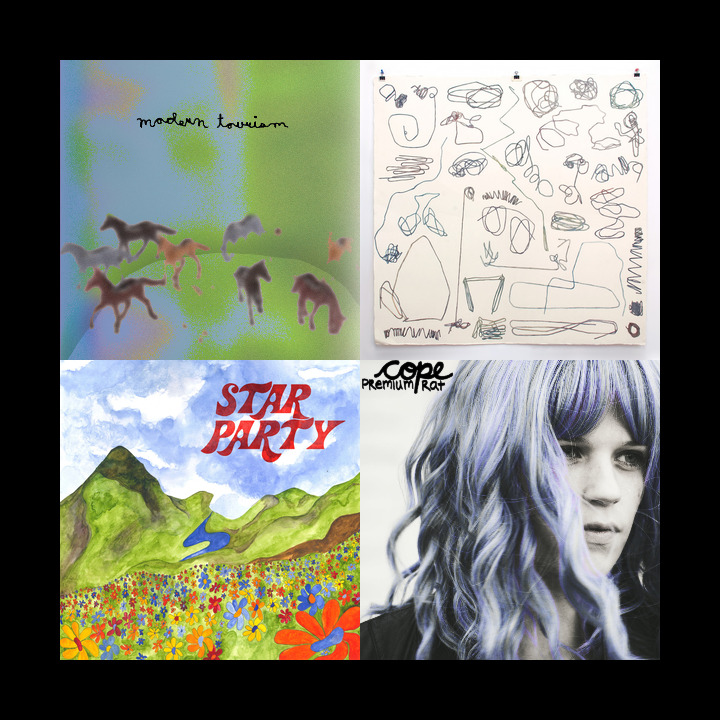

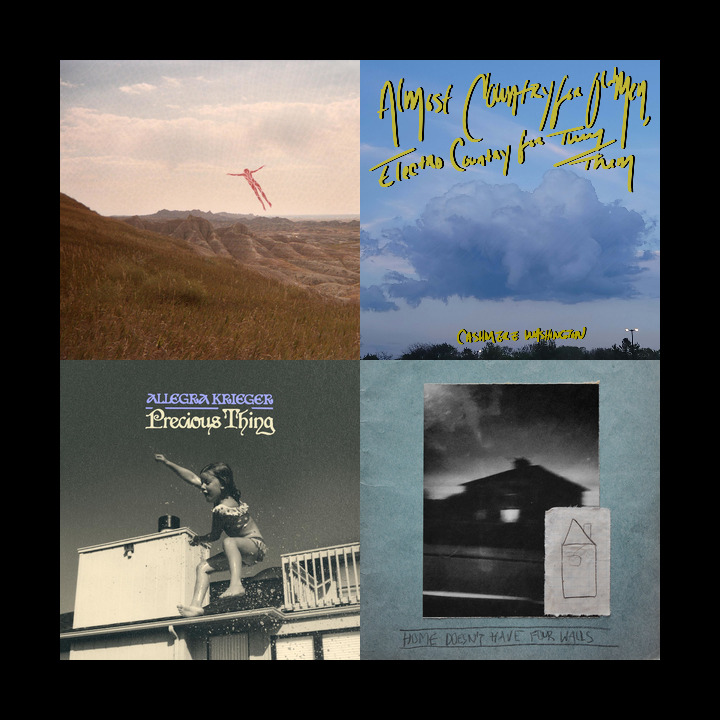

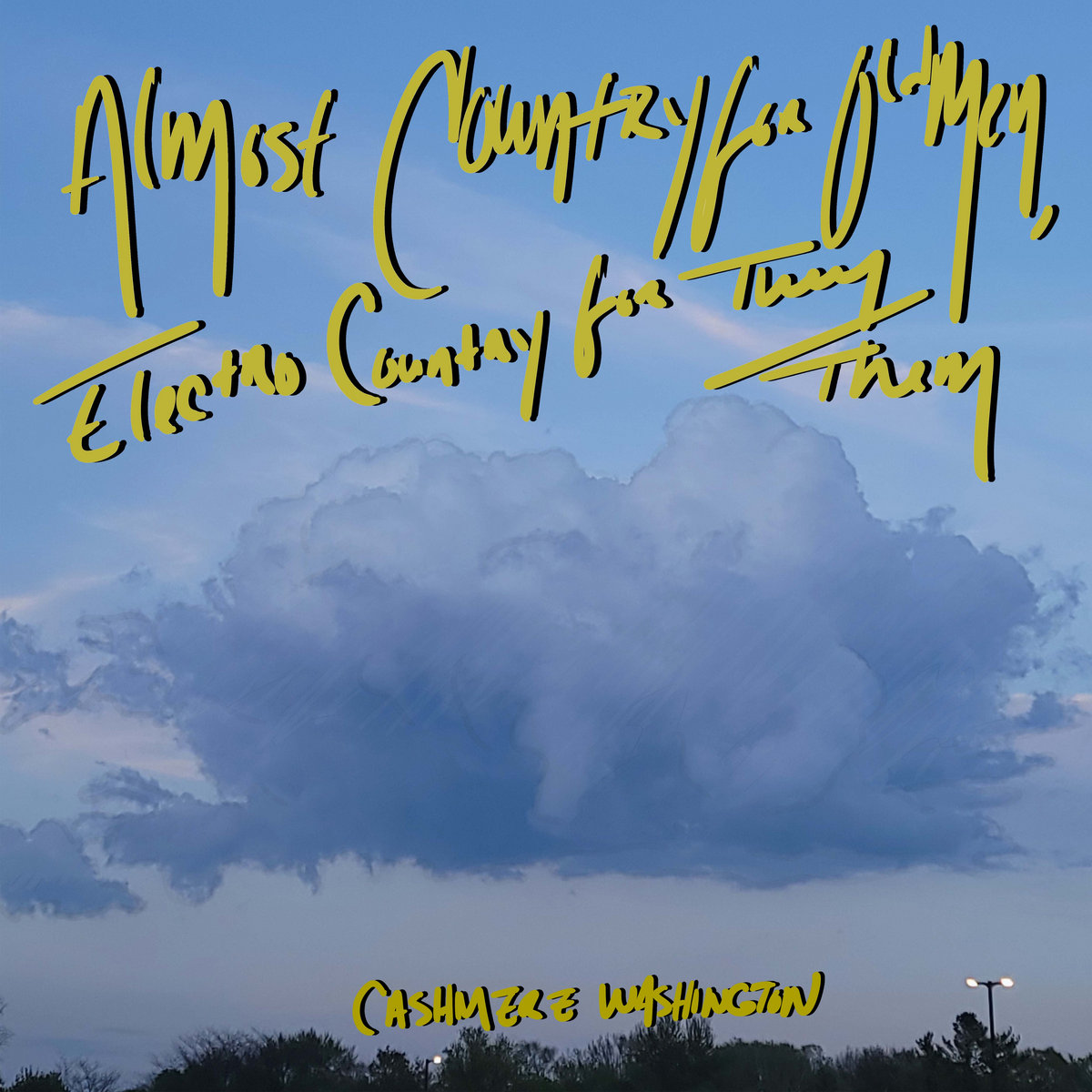
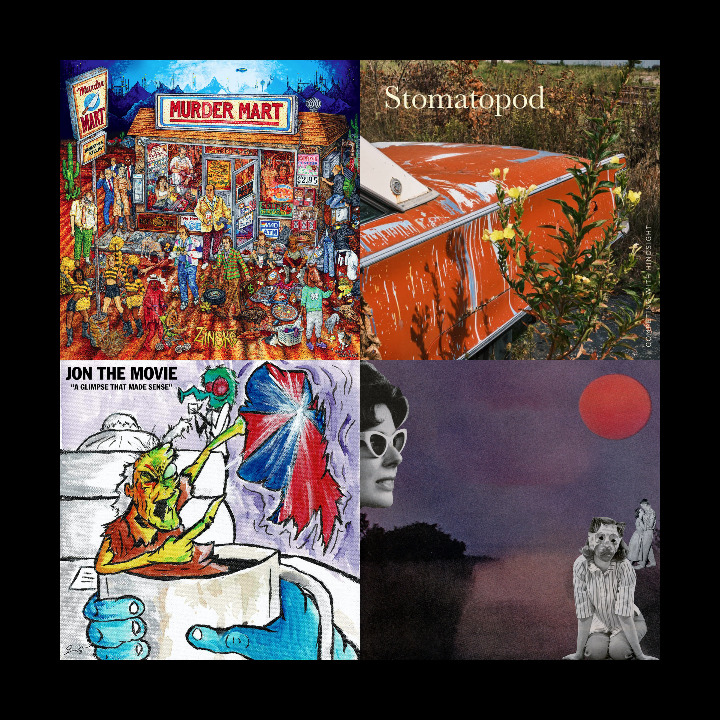
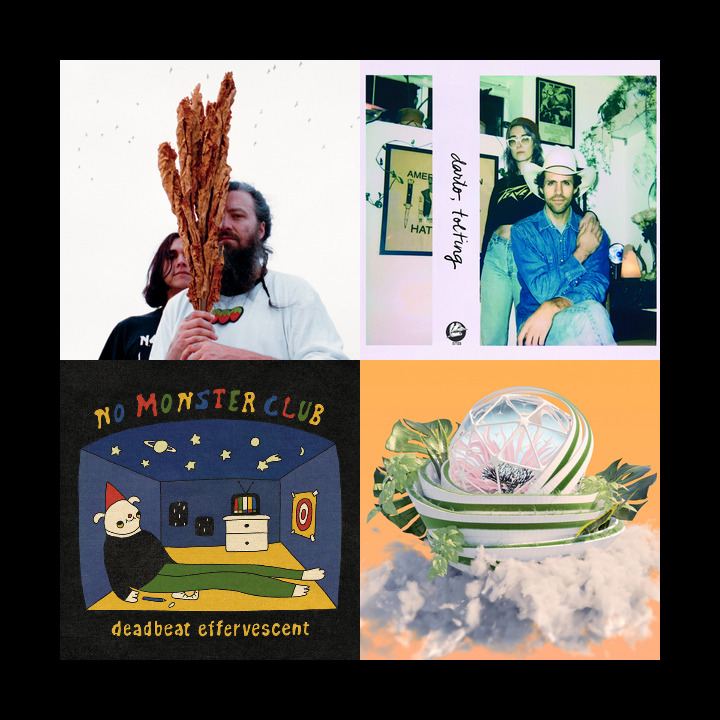
 Rosy Overdrive