Pressing Concerns: Ylayali, Daniel Romano, The Orchids, Rush to Relax

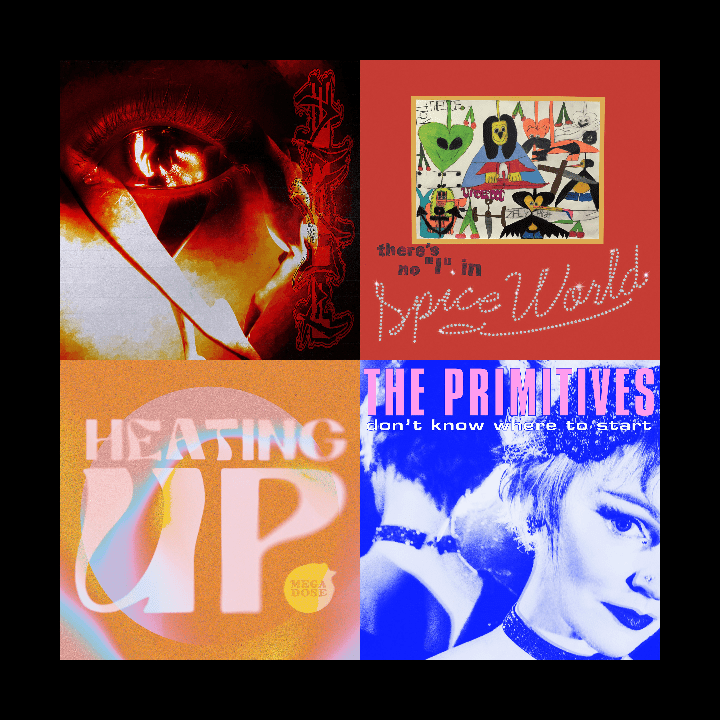
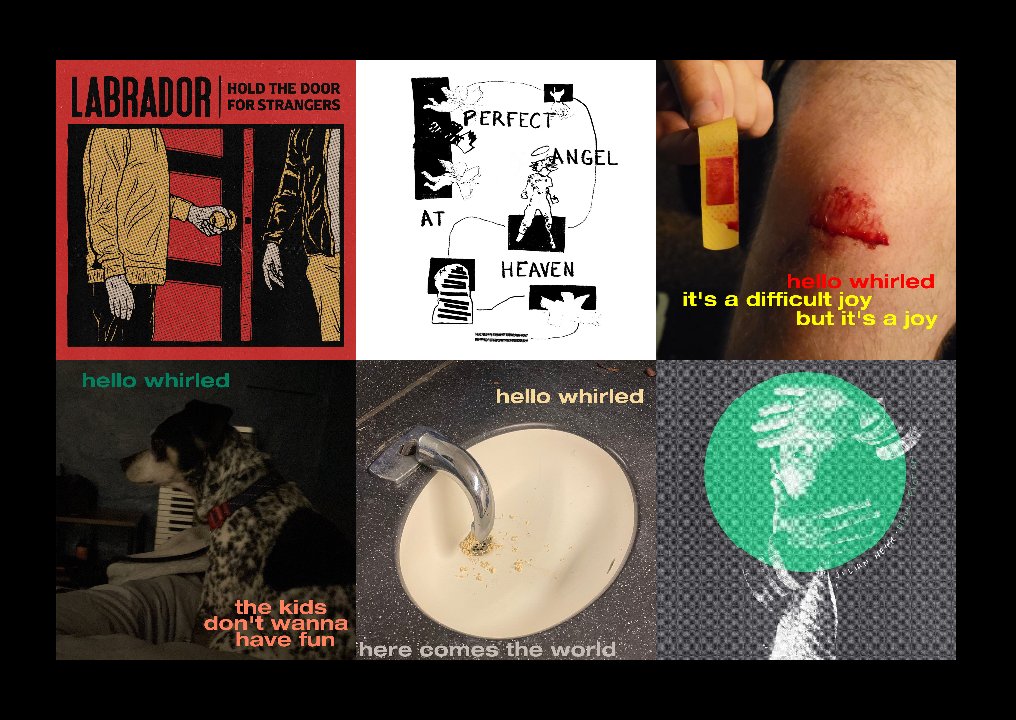
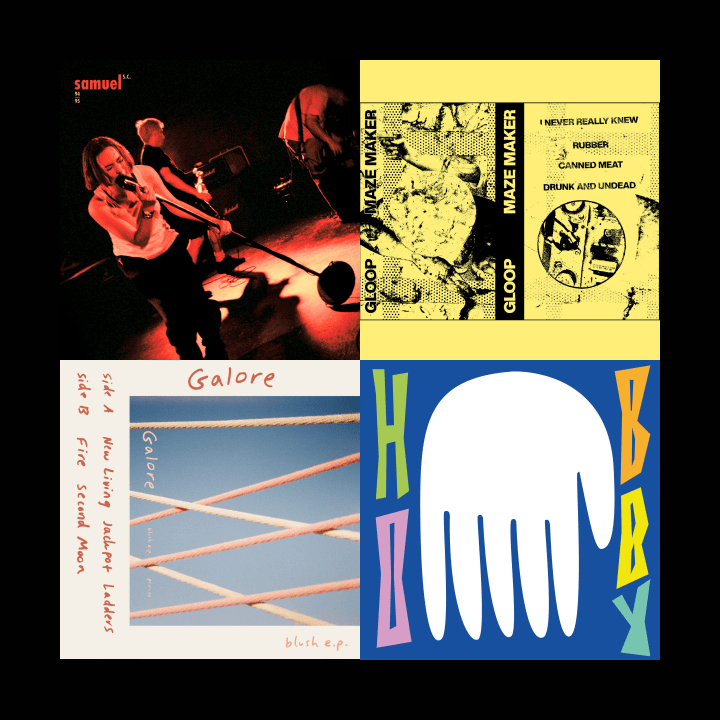
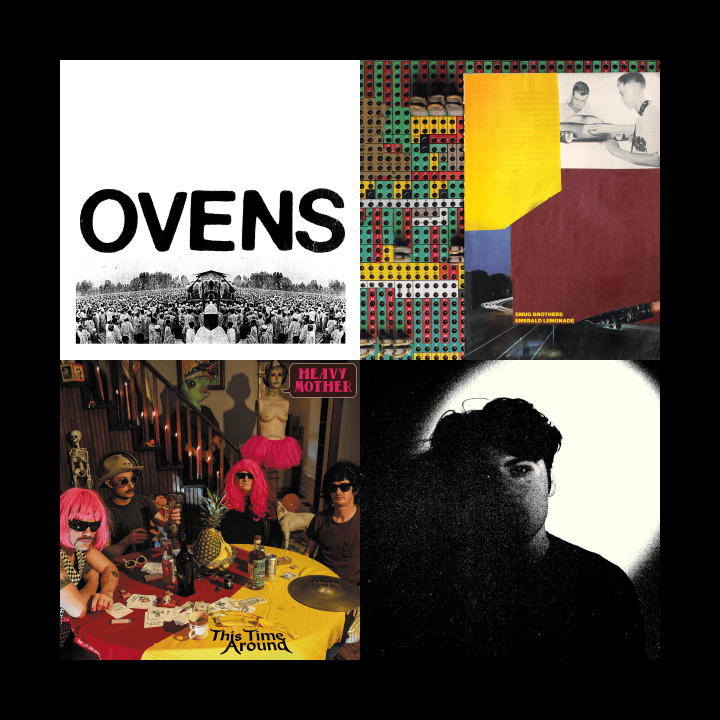
This week’s Pressing Concerns looks at new albums from Ylayali, Daniel Romano’s Outfit, The Orchids, and Rush to Relax. A great one for pop music!

If you’re still looking for more new music, you can browse previous editions of Pressing Concerns or visit the site directory.

Ylayali – Separation

Release date: September 2nd
Record label: Dear Life
Genre: Lo-fi indie rock, slowcore
Formats: CD, cassette, digital
Pull track: Natural

Francis Lyons has spent the last few years drumming in several notable Philadelphia bands (2nd Grade, Free Cake for Every Creature, 22° Halo), as well as amassing a considerable solo career as Ylayali. Separation is Lyons’ fourth record under the name since 2019, and it sounds like the work of somebody who’s developed a distinct sound—dreamy without being “dream pop”, “slowcore” that is only at times slow, “bedroom pop” with a host of other contributions from fellow musicians. Separation evokes the more humble side of 90s indie rock, with bands like Duster and Sparklehorse seeming to be touchstones—in terms of modern music, it reminds me a good deal of the Bad Heaven Ltd. album from earlier this year.

Separation opens with the ambient pop of “Green Walls”, a song led by a droning synth and plain-spoken vocals from Lyons, and soon subtly but noticeably shifts to different styles like the almost-bounciness of “Natural”, the driving “Nobody Knows” (which also buries a beautiful melody under its uptempo, bass-driven surface), or even the unexpected stomping fuzz-rock track near the end of the record (“All Kinds”).  Some of the shifts in Separation come within the songs themselves—single “Circle Change” starts with a whispered voice and echoed synths in its first part before becoming uplifting pop rock in its second half, and “Not Yer Spade” similarly moves between these two extremes. Lyons’ vocals remain a stoic presence throughout the rising and falling music of Separation, until the end where a few songs (“Lunch Hour Freedom”, “Getting There”, “Air”) feature lengthy instrumentals. Separation is, according to Lyons, almost entirely inspired by dreams and dialogues within them—with that in mind, it makes sense that Ylayali doesn’t lean entirely on words to convey this on the record. (Bandcamp link)

Daniel Romano’s Outfit – La Luna

Release date: September 9th
Record label: You’ve Changed
Genre: Psychedelic rock, alt-country, baroque pop
Formats: Vinyl, digital

Like many people, I was aware of Daniel Romano for a while, but only really started paying attention to the Ontario-based singer-songwriter after his pandemic year to remember. Regular readers of Rosy Overdrive should not be surprised that I was impressed with his prolific output and ability to jump from country to psych pop to punk rock and still retain a signature sound. La Luna is “only” Romano’s first record of 2022, but the nature of the album—it’s a single, thirty-three-minute song split into 12 “parts”—dares anyone to look at Romano and his five-piece Outfit and think of them as slowing down.

Of the dozen or so records Romano released in 2020, it’s tempting to compare La Luna the most to Forever Love’s Fool, the twenty-two-minute single-song prog suite he recorded with Tool drummer Danny Carey. The similarities are there, of course, but La Luna accomplishes something (to my ears) even more impressive: successfully adapting Romano’s 60s/70s-inspired psychedelia/country style into something grander. Although La Luna feels more like a single track than a dozen smashed together, the sections feature pop melodies distinct enough that they could stand on their own, either delivered by Romano himself or via a handoff to other members of the Outfit, who get their chances to lead over the course of La Luna as well. Like the sections of the record, the transitions between members are also seamless, and help La Luna feel like the product of an in-tune group of musicians working toward a shared vision. (Bandcamp link)

The Orchids – Dreaming Kind

Release date: September 2nd
Record label: Skep Wax
Genre: Indie pop
Formats: Vinyl, CD, digital
Pull track: Didn’t We Love You

The Orchids are a long-running Glasgow twee/indie pop band who were present for Sarah Records’ heyday in the early 90s, and have been releasing music on and off since that point. Dreaming Kind is the group’s seventh full-length record and first since 2014, released on Skep Wax, a label by and for veterans of indie pop. Skep Wax’s Under the Bridge compilation (featuring a song from this record) demonstrated the ability of twee bands to grow and “mature” after decades of playing music, but The Orchids always had something of a head start in that department—their music has always given off a more pensive and “sophisti-pop” vibe than some of their peers’ youthful energy.

Lead vocalist James Hackett has a hushed delivery that gives the songs of Dreaming Kind an intimacy even at their most layered and overtly “pop”. Opening track “Didn’t We Love You” retains indie pop energy with jangly guitars and upbeat melodies, and single “This Boy Is a Mess” continues along in the same vein, but Dreaming Kind as a whole feels like a more contemplative record. Synths and other electronic elements color these songs—“A Feeling I Don’t Know” has some vocal manipulation, “I Don’t Mean to Stare” is a hypnotic dance number, and “I Should Have Thought” runs on a downcast beat. The Orchids remain devoted to pop music, whether it’s groove-driven, like the light disco of “Something Missing” or sparse, like the acoustic-and-strings-only “Isn’t It Easy”. Dreaming Kind has a unique feel to it; it’s immediate but layered in a way that reflects the band’s seasoned indie pop background. (Bandcamp link)

Rush to Relax – Misli

Release date: August 31st
Record label: Look Back and Laugh/Pop Depresija/Hidden Bay
Genre: Jangle pop, indie pop
Formats: Vinyl, digital
Pull track: Krukče

Rush to Relax is the project of Macedonia’s Damjan Manevski, a Ljubljana-based singer-songwriter who takes inspiration from the music of his home of the Balkans, but in a way that will also hit close to home for those of us who are familiar with other classic guitar pop scenes, such as New Zealand’s Dunedin Sound and the C86 of Great Britain. If one isn’t listening close enough to hear that Manevski’s vocals are sung in his native Macedonian, the first few tracks of Misli could pass for a lost Flying Nun record, particularly the exuberant opening song “Krukče”.

The guitar pop “hits” continue throughout Misli—the quick-paced “Običen” features some excellent guitar leads and a singalong refrain, and penultimate track “Mirno mesto” saves some of Manevski’s best melodies for nearly the end. While the “pop” side of Misli isn’t interrupted by anything, some of Manevski’s other influences do peak through at points.  “Pravo uvo” has a full-band stomp to it that evokes garage rock and post-punk while still being quite hooky, “Koga ne mislam” is a dreamy ballad featuring a surprisingly showy guitar solo, and closing track “Pesni vo meani” ends the album on a pensive note, with a glittering guitar line dancing around a more contemplative whole. (Bandcamp link)

Also notable:

New Playlist: August 2022

Happy September! That means it’s time for Rosy Overdrive’s August playlist. Some of these songs will be familiar to readers of the blog, some will not be, but all of them are worth checking out. So, do so!

Kiwi Jr., Mo Troper, Tall Dwarfs, First Rodeo, Home Blitz, and Dogbreth all get two songs on the playlist.

Here is where you can listen to the playlist on various streaming services: Spotify, Tidal (missing one song), BNDCMPR (missing a couple). Be sure to check out previous playlist posts if you’ve enjoyed this one.

“Gotta Start Somewhere”, Jon Brion
From Meaningless (2001, Straight to Cut-Out/Jealous Butcher)

Like a lot of power pop fans, I’ve long regarded the sole solo album by Jon Brion (of The Grays, countless soundtrack scores, and notable production work for Fiona Apple and Aimee Mann, among others) to be a neglected and unfairly obscure gem of a record. Jealous Butcher’s upcoming reissue of Meaningless feels twenty years overdue, but I’ll happily take it, and in the meantime, “Gotta Start Somewhere” is indeed a great starting point for the record’s deceptively simple pop brilliance.

“Parasite II”, Kiwi Jr.
From Chopper (2022, Sub Pop)

Eh, Kiwi Jr. are allowed to do the “pivot to synths” thing. For one, they’ve already given us two full 90s indie rock/power pop-inspired LPs in a relatively short amount of time—and for another, their take on the genre is of the Cars-esque, garishly-accented variety, which works very well for the band. It all comes together in “Parasite II”, where blaring sirens crash into a vintage Kiwi Jr. skeleton and a particularly inspired vocal performance from Jeremy Gaudet.

“The New Year’s Resolution”, Spielbergs
From Vestli (2022, Big Scary Monsters/Fysisk Format)

Spielbergs’ first record, 2019’s This Is Not the End, was one of my favorite debut releases of that year, and their long-awaited follow-up Vestli picks up pretty much right where they left off. Still perched at the forefront of the surprisingly fertile Norwegian heartland-indie-power-pop-emo-rock scene, “The New Year’s Resolution” starts off the record with a roar, a rush of guitars and shouted vocals.

“Your Ideal”, Cinema Hearts
From Your Ideal (2022, Burnished)

The title track from Cinema Hearts’ Your Ideal is also the debut EP’s biggest success. The rest of Your Ideal features some interesting forays into dream pop and girl group-inspired music, but “Your Ideal” shines with pure Pixies-esque alt-rock stomp. The song’s lyrics, directly inspired by Caroline Weinroth’s history as a pageant queen, add plenty of bite to the bass-driven instrumental.

“Bobby’s Song”, The Roches
From Nurds (1980, Warner Bros.)

Nurds is my first full-length experience with The Roches, but it’s not going to be my last. I usually see the trio of sisters referred to as a “folk act”, but that doesn’t adequately describe either Nurds or “Bobby’s Song”, my favorite track from the record. The harmonies between the three Roche sisters are nuts all over the song, as they stretch and strain against the song’s 60s pop-rock instrumentation and subject matter (that’d be the titular heartthrob). 

“Play Dumb”, Mo Troper
From MTV (2022, Lame-O)

Although September’s MTV is its formal release, “Play Dumb” is an older Mo Troper song that’s been floating around for a few years, and Troper’s contempt-dripping lyrics and straight power pop melody (not to mention the actual full-band recording) puts it squarely in Exposure & Response/Beloved territory. Even for that era of Troper, the lyrics are particularly pointed and, without getting into specifics, mirror something going on in my personal life quite well (so, thanks for that, Mo). Read more about MTV here.

“Life Is Strange”, Tall Dwarfs
From Unravelled: 1981-2002 (2022, Merge)

While part of me wishes Unravelled: 1981-2002 was comprehensive, the rest of me knows how unfeasible that is with the amount of material the Tall Dwarfs released over their twenty year career, and it’s hard to find fault with the breadth of the 55-song, 2.5 hour compilation. I can reach in there and find something new to appreciate every time—like “Life Is Strange”, originally from 1991’s Fork Songs, which is a classic lo-fi pop song that I don’t know why never really grabbed me until I heard it in this new context.

“Every Worry Like a Pet”, Brat Sounds
From Every Worry Like a Pet (2022, Gain Castle)

Milwaukee’s Brat Sounds are gearing up to release their fourth record sometime in October, and the A-side of its first single is a humble but compelling pop rock tune that has me curious to check out the rest of the album. “Every Worry Like a Pet” has multiple killer hooks, but isn’t overly showy about them—it feels very 90s alt-pop one-hit-wonder, in the best case scenario for that genre.

“Didn’t It Rain Last Night”, First Rodeo
From First Rodeo (2022, Forged Artifacts)

First Rodeo is the duo of Nathan Tucker (Cool Original) and Tim Howe (Vista House). Even though I was more familiar with Tucker’s music before hearing First Rodeo, my favorite track from the record is sung by Howe—“Didn’t It Rain Last Night” is a beautiful country rock song that stretches out to nearly six minutes, and I could listen to Howe’s delivery of the chorus (the title line, and also “Didn’t it thunder?”) for much longer.

“Talk”, S. Raekwon
From I Like It When You Smile (2022, Father/Daughter)

The four-song I Like It When You Smile opens with “Talk”, the EP’s lead single and the obvious indie pop “hit”—the song’s bouncy piano-and-drumbeat backbone serves S. Raekwon’s gently excited vocals quite well. It’s a fairly minimal track, but not so much that it doesn’t hit when S. Raekwon kicks it up a notch in the final half-minute. Read more about I Like It When You Smile here.

“Two Steps”, Home Blitz
From Out of Phase (2010, Richie)

I quite enjoyed Home Blitz’s 2020 All Through the Year EP, and I had a feeling I would like the rest of the music by the band (which is more or less the solo project of Daniel DiMaggio) when I got to it. And I do! Out of Phase is messier than where All Through the Year ended up, but it’s still an incredibly catchy garage rock/power pop record, and “Two Steps” marries lo-fi squall with jangle pop and just straight-up rock and roll in an exciting way.

“The Threshold”, Dogbreth
From Believe This Rain (2022, Phat ‘n’ Phunky)

Perhaps the “biggest” moment on Believe This Rain, “The Threshold” arrives nearly halfway through the record and claims the “centerpiece” mantle firmly. It’s a shimmery and cinematic jangle pop song,  even adding fluttering synths to evoke the best of heartland indie rock acts like Wild Pink. Read more about Believe This Rain here.

“In the Dark”, Faye
From You’re Better (2022, Self Aware)

Faye is the duo of Sarah Blumenthal and Susan Plante, and their debut record You’re Better is excellent fuzzy alt-rock all the way through. Highlight “In the Dark” begins with a relatively sparse fuzz-bass-and-drumbeat intro that’s particularly reminiscent of one of their biggest influences, The Breeders—and that’s even before Blumenthal and Plante harmonize in the refrain. Read more about You’re Better here.

“Loose Lips”, Ex-Gold
From We Are Good (2022, Pig Man)

I don’t know too much about the band Ex-Gold. They’re a garage punk trio from Knoxville, Tennessee (their name really screams “southern garage punk band”, so that tracks), and their latest record We Are Good is a 21-minute workout of rippers. “Loose Lips” is post-punk at its wildest, all insistent bass and repeated riffs in the verses but with a vintage new wave chorus.

“Empty Tame and Ugly”, Lou Turner
From Microcosmos (2022, SPINSTER)

A key track to unlocking Lou Turner’s Microcosmos, “Empty Tame and Ugly” is a content, laid-back folk song that nonetheless features some of Turner’s strongest writing yet. Something of a parallel line to the “domestic troubadour” nature of the album, for one track Turner addresses and pokes holes into the shallow cowboy archetype that hovers out of sight throughout the rest of the record. Read more about Microcosmos here.

“Dead Drummers”, Near Beer
From NEAR BEER (2022, Double Helix)

Near Beer’s self-titled debut record is high-octane pop and punk that doesn’t sound like most “pop punk”—think something like a snottier Husker Du, or even Hot Snakes trying to make power pop. They’ve also got a heartland sincerity to them (belying their hometown of Los Angeles), reflected well in “Dead Drummers”, a song that makes no bones about its full-hearted belief in the power of rock music, man, in the face of some really tough times.

“Phantom Factory”, Dan Friel
From Factoryland (2022, Thrill Jockey)

It’s probably no surprise to readers of Rosy Overdrive that I prefer Dan Friel’s guitar-heavy rock bands Parts & Labor and Upper Wilds to his instrumental, synth-based solo work, but I like his songwriting enough that I usually enjoy the latter as well. Factoryland has plenty of moments that rise to Friel’s high shrill pop music standard, not the least of which is “Phantom Factory”, which spits out an incredibly catchy melody and makes damn sure you can’t miss it.

“Pipe and Pistol”, Spacemoth
From No Past No Future (2022, Wax Nine)

I’ve been somewhat obsessed with the sound of Spacemoth’s No Past No Future as of late. Maryam Qudus has amassed quite the resumé as a producer and engineer (most relevant to me: her background with John Vanderslice and Tiny Telephone), so it makes sense that her own music would have an arresting presentation. “Pipe and Pistol” is built off of a Stereolab-esque vintage synth sound and some hard-hitting programmed drums, and the combination just straight-up rocks.

“Chain”, Workhorse
From No Photographs (2022, Dinosaur City)

No Photographs is the debut full-length from Adelaide’s Workhorse (and their first release overall since 2017’s No Sun EP), and it’s an intriguing record that floats between dream pop and country rock. Opening track “Chain” is squarely in the middle, with a twangy lead guitar and violin accents contrasting with the song’s leisurely pace and Workhorse leader Harriet Fraser-Barbour’s unmoored, stoic vocals.

“Worker and Parasite”, J. Marinelli
From Putting the World to Rights (2022, ORG)

“Worker and Parasite” originally appeared on J. Marinelli’s 2021 Fjorden and Fjellet EP, and it gets a second look on his new full-length Putting the World to Rights. Over a catchy lo-fi pop backbone, Marinelli harmonizes with himself and weaves the personal and political together deftly over the course of the song (“There’s no struggle quite like your fight for attention” is a great one-liner in any context).

“The Layup”, The Human Fly
From Thrill of Living (2022)

Philadelphia’s The Human Fly have been making their combination of folk rock and guitar pop for around a decade now—the five-piece band’s latest record, Thrill of Living, feels somewhere between Matthew Milia and Friendship.  Album highlight “The Layup” is an almost-soft rock song that’s aided greatly by Robert Mathis’ evocative vocals, which remind me of the more tender moments of Crooked Fingers-era Eric Bachmann, of all things—it’s the human center to what grows into full-sounding indie folk over the song’s course.

“I’m the King of Rock ‘n Roll”, Mo Troper
From MTV (2022, Lame-O)      

“I’m the King of Rock ‘n Roll” is part of a one-two opening punch that really sets the scene for Mo Troper V, aka MTV. It’s a balancing act of a song that hovers between fuzzy noise and pop hooks—it’s a spiky, somewhat troubling glam-rocker that remains undeniably catchy no matter how in-the-red Troper takes it. Read more about MTV here.

“Passing Through the Void”, Ali Murray
From Passing Through the Void (2022, Dead Forest)

The appropriately-named title track to Ali Murray’s Passing Through the Void EP is vintage Murray: a gorgeous-sounding, slow-moving electric slowcore song that ends on a transcendent note by contrasting Murray’s tender vocals with a soaring guitar lead. Read more about Passing Through the Void here.

“Pretty Money”, Advertisement
From American Advertisement (2020, Patchwork Fantasy)

I knew that Los Angeles/Seattle’s Advertisement was another band that I’d probably enjoy, and now that I’ve gotten around to listening to them, I can confirm that this is the case. American Advertisement is at times psychedelic and at times garage rock, but just as frequently separately as together. “Pretty Money” is a nice and sneaky mid-tempo pop song that’s incredibly well put together.

“Hell for Leather”, Future Suck
From Simulation (2022, Rack Off)

Simulation is 23 minutes of pure Aussie punk, with Future Suck (a new band, but with plenty of service in previous Australian bands between its various members) blazing through quick hardcore-adjacent songs helmed by the dynamic vocals of Grace Gibson. Album highlight “Hell for Leather” is more classic punk, and features a particularly memorable performance from Gibson.

“Photograph”, Franklin Gothic
From Into the Light (2022, #veryjazzed/Pleasure Tapes)

Franklin Gothic is the solo project of Portland’s Jay DiBartolo, and his debut record Into the Light is an intriguing mix of several styles of indie rock and pop. Album highlight “Photograph” is a gentle song that mixes quiet acoustic-strummed verses with a shyly triumphant chorus—it could easily pass for something from the more barebones end of the Elephant Six collective, especially when DiBartolo deploys the harmonies.

“Burning Blue”, Tall Dwarfs
From Unravelled: 1981-2002 (2022, Merge)

“Burning Blue” is originally from the 1985 That’s the Short and Long of It EP (probably most notable for its closing track,  “Nothing’s Going to Happen”), and it’s not as overtly poppy as “Life Is Strange” from earlier on this playlist, but it does showcase one of Tall Dwarfs’ key strengths. The song pulls off a dark and somewhat eerie vibe while still remaining squarely in the world of lo-fi pop—listen to those piano flourishes, for instance.

“Mind Wipe”, The Special Pillow
From Mind Wipe (2022)

The six-track, twenty-minute Mind Wipe showcases multiple sides to Hoboken’s The Special Pillow, and the EP’s jangly title track is the group at the purely “pop” end of their psychedelic pop. Dan Cuddy’s clear vocals and the arpeggio that recurs throughout the song are more in line with the sober moments of their fellow Jersey band Yo La Tengo than any kind of acid freakout—the trippy-ness is in the song’s lyrics, which are a (wiped) headscratcher. Read more about Mind Wipe here.

“Me Myself I”, Joan Armatrading
From Me Myself I (1980, UMG/A&M)

I can’t really go into Joan Armatrading’s illustrious (and still going!) music career in this brief post entry—suffice it to say, Me Myself I is just one chapter in it, although a substantial one. The record’s title track has some new wave production flourishes, but none of the bouncy guitars, synth touches, and Armatrading’s toe-dipping into shout-singing overly date the song, nor do they detract from Armatrading’s skill as a singer-songwriter. “Me Myself I” is first and foremost an “I love to be alone” anthem, and Armatrading more than has the authority to pull it off.

“Can You Leave the Light On?”, Sleepyhead
From New Alchemy (2022)

I associate New York/Boston’s Sleepyhead with the 90s indie pop scenes in which they came up—record labels like Slumberland and TeenBeat (as well as bands like The Special Pillow, whose Dan Cuddy was a member of Sleepyhead at one point). Having been reformed for a while now, their latest record, New Alchemy, has a country-rock feeling to it that might seem odd to those only familiar with their early work, but suits the trio well at this stage of their career. “Can You Leave the Light On?” has a retro sound that reminds me of bands like The Delines, aided in great part by Rachel McNally’s full-sounding vocals.

“Monday”, CLAMM
From Care (2022, Chapter Music)

CLAMM focus their anger and train their punk rock fire on worthy targets throughout the provocatively-tilted Care—the barreling “Monday” is one of the greatest examples of the trio’s skills on record. Jack Summers barks lyrics rejecting soul-sucking-work culture, and Maisie Everett’s backing vocals—which are basically co-leads for part of the song—are perhaps her most memorable performance yet. Read more about Care here.

“Rolling with the Moody Girls”, Home Blitz
From Frozen Track (2012, Kemado/Mexican Summer)

As if the high vocals and power pop worship of Daniel DiMaggio wasn’t enough to garner comparisons to Scott Miller of Game Theory and The Loud Family, his project Home Blitz covered the former band’s “Rolling with the Moody Girls” on their 2012 Frozen Track EP. Game Theory’s Two Steps from the Middle Ages was a last-time attempt to dress Miller’s songwriting up respectfully—DiMaggio turns the song into a gleeful cascade. Synths show up randomly, DiMaggio motors through the lyrics—it’s a totally different animal, but still a potent one.

“Slow Reaction”, Dewey Defeats Truman
From The Way You Shatter (2021, Silver Girl)

San Diego’s Dewey Defeats Truman made a couple records together in the early 2000s, and they’ve recently reunited for a pretty rewarding second act with their The Way You Shatter EP (released digitally last year and physically earlier this summer). “Slow Reaction” is 90s indie rock-influenced music at its finest, downcast but still propulsive, cryptic but still emotional.

“Delicate Creatures”, Scarves
From Delicate Creatures (2022, Good Eye)

Delicate Creatures is an excellent mix of indie pop simplicity and rainy, sprawling Pacific Northwest indie rock, and the captivating title track is one of the record’s biggest successes. Niko Stathakopoulos’s high, comforting vocals deliver lyrics that reflect the album’s preoccupation with a cold world and the bright things within it (“Just like every other wild thing, you will be punished just for existing”). Read more about Delicate Creatures here.

“Second Choice”, Any Trouble
From Where Are All the Nice Girls (1980, Stiff)

There’s a ton of these Elvis Costello-core bands from the beginning of the 1980s that have just been basically erased from history. Part of that might have to do with a smarmy sexism that has (thankfully) fallen out of favor, and with a title like Where Are All the Nice Girls, Any Trouble were not exactly immune to it either. “Second Choice”, however: “I only wanted to be one of the boys, now you’ve made me second choice” is pissy in a nice and vague way.

“Dark Cloud Blows Right Over You”, Sun Is Poison
From Dark Cloud Unhand Me (2022)

Sun Is Poison is the upstate New York-based lo-fi indie rock solo project of Will Seifert—Dark Cloud Unhand Me is Seifert’s second album of 2022 following January’s I Thought I Left You in Eden, and it bounces between sparse bedroom folk and full-band (albeit performed entirely by Seifert), 90s-inspired indie rock. Almost-title track “Dark Cloud Blows Right Over You” is a bit of both, opening with a quiet first part before the percussion and Seifert’s voice both rise in the second half.

“How You Did That”, Dogbreth
From Believe This Rain (2022, Phat ‘n’ Phunky)

Believe This Rain’s first full-length song, “How You Did That”, is a gorgeous jangly ballad, introducing the listener to the tenderness and openness that’s reflected in both the music of Dogbreth and in the writing of bandleader Tristan Jemsek. It’s a very Western United States take on the classic college rock Jemsek cites as influential for the record. Read more about Believe This Rain here.

“Patience”, First Rodeo
From First Rodeo (2022, Forged Artifacts)

Another Tim Howe-led song on First Rodeo, “Patience” is contemplative but forward-moving country rock that’s captivating from the beginning. Howe switches between storytelling and pulled-back observations throughout the song, as he ruminates on the meaning of the track’s title. As uneasy as Howe sounds at points, “Patience” is leisurely enough to reflect its namesake.

“The Sound of Music”, Kiwi Jr.
From Chopper (2022, Sub Pop)

Closing out this playlist and also this three-song repeat-offender suite, Kiwi Jr.’s “The Sound of Music” sets the band’s newfound synth toys to more of a “swoon” than the blare of “Parasite II”. Still, it’s a classic mid-tempo Kiwi Jr. pop song, even to the point of grabbing onto a piece of pop culture (in this case, Julie Andrews and company) amidst a sea of references and key observations.

Pressing Concerns: Mo Troper, Lou Turner, Dummy, S. Raekwon

The first Pressing Concerns of the month looks at new albums from Mo Troper and Lou Turner, a new EP from S. Raekwon, and a compilation of two older EPs from Dummy. September 2nd appears to be a stacked release date–I’m not done with it yet, so look for a few records coming out this week to show up on the blog later.

If you’re still looking for more new music, you can browse previous editions of Pressing Concerns or visit the site directory.

Mo Troper – Mo Troper V

Release date: September 2nd
Record label: Lame-O
Genre: Lo-fi indie rock, power pop
Formats: Vinyl, digital
Pull track: Play Dumb

One of the most interesting things an artist can do is Enter a Phase—and with MTV, Mo Troper makes it clear that he’s squarely in the middle of one. In hindsight, last year’s (initially) self-released Dilettante marked the beginning of Troper’s foray into lo-fi, self-made recordings after previously trending towards the more pristine, but MTV (standing for Mo Troper V, of course) is a full embrace of the inherent messiness. At its extremes, the fuzziness of MTV results in straight-up noise pop, like the thrashing, unintelligible “Power Pop Chat” and the tinny explosion that follows after the pin-drop first half of “Royal Jelly”. For the most part, though, MTV knows when to strike the balance between the fuzzy noise and pop hooks.

MTV’s first two songs, the soaring pop rock of “Between You and Me” and the spiky, somewhat troubling glam-rock “I’m the King of Rock ‘n Roll”, are both undeniably catchy even as Troper pushes them into the red. Although it still feels a world away from 2020’s Natural Beauty, MTV does offer moments of clarity with the gorgeous jangly single “I Fall into Her Arms” and the genuinely surprising 60s folk-pop of “The Only Living Goy in New York”. There’s even a throwback for longtime Troper fans—“Play Dumb” is an older song that’s been floating around for a few years, and Troper’s contempt-dripping lyrics and straight power pop melody (not to mention the actual full-band recording) puts it squarely in Exposure & Response/Beloved territory. Even for that era of Troper the lyrics are particularly pointed and, without getting into specifics, mirror something going on in my personal life quite well (so, thanks for that, Mo).

MTV’s jumps in fidelity can be borderline disorienting at times (and this isn’t even acknowledging “Final Lap”, Troper’s very own version of a “Back to Saturn X Radio Report” snippet collage), but the album ends with a couple of songs built around very recognizably human sentiments. “You Taught Me How to Write a Song” uses floating synths to try to make sense of a formative relationship (“You were the cruelest person I’ve ever known / But you taught me how to write a song”), and “Under My Skin” grabs a jaunty, acoustic chord progression to formally declare to an ex-lover that they, in fact, no longer have any sway over him. MTV is something of a dispatch from the world of Mo Troper, and a confirmation that that world is as worthwhile as ever. (Bandcamp link)

Lou Turner – Microcosmos

Release date: September 2nd
Record label: Spinster
Genre: Folk rock, alt-country
Formats: Vinyl, CD, digital
Pull track: Empty Tame and Ugly

Lou Turner is the final member of Nashville supergroup Styrofoam Winos whose solo material I’ve covered for Rosy Overdrive, but that isn’t for a lack of music (or quality). Microcosmos is Turner’s third solo album since 2017, and it’s absolutely the work of a skilled songwriter at the peak of their output. The album’s title is, for Turner, an attempt to give a name to the feeling of attaining adventure and motion in the domestic and fixed world (“a constellation of microcosms”) that is a (in fact, the) theme of the record. This is reflected in the way Microcosmos sounds like a contented, laid-back 70s folk-rock record, even as Turner’s lyrics and subject probe and roam within their contexts.

Microcosmos is peppered with memorable lines reminiscent of one of Turner’s biggest touchstones, David Berman (“The planet was born in the backyard / No gender reveal, but plenty of blue” from “Microcosmos”, “Santa’s Jesus Christ’s right-hand man / They’re turning wine back into water again” from “Look Out Below”).  Musically (aided in part by her Styrofoam Wino bandmates Joe Kenkel and Trevor Nikrant, among others), Microcosmos offers more than just backing music to Turner’s words—it jumps from spacey, sparse folk (the title track, “Smallest Mercy”) to electric country-rock (“What Might We Find There”, “Dancing to Hold Music”) to the fiddle-heavy traditional sounds of “Big Ole Head”.

Of course, Turner’s writing holds all of it together. “She’s gotten under your skin,” Turner sings in “Empty Tame and Ugly”, addressing and poking a hole into the shallow cowboy troubadour with which the song is concerned. The line also serves to connect it to the album’s one cover song, Simon Joyner’s “You Got Under My Skin”—one of Joyner’s leisurely, front-porch-chair songs that fits well musically on Microcosmos, and converses lyrically with Turner’s words in “Empty Tame and Ugly”. Microcosmos is, true to its title, a record that reveals both its ambition and its success in realizing it with closer and repeat listens. (Bandcamp link)

Dummy – Dumb EPs

Release date: September 2nd
Record label: Sonic Cathedral
Genre: Noise pop, psychedelic rock, ambient pop
Formats: Vinyl
Pull track: Pool Dizzy

Last year, Dummy released Mandatory Enjoyment, an exciting and expansive album of noisy psychedelia and space pop that was one of the most intriguing debut full-lengths of 2021. The previous year, however, the Los Angeles band had already established themselves as a noteworthy group with a pair of intriguing EPs. With Sonic Cathedral’s upcoming vinyl-only reissue of both records in one as Dumb EPs, it’s worth looking back at the band’s origins. The self-titled Dummy and the just-as-simply-named Ep2 are both looser than Mandatory Enjoyment—as free-wheeling as the full-length can be, there’s a throughline to it that the EPs largely eschew, even as all the ingredients appear to be there already.

Despite being the older of the two EPs, Dummy is the one that feels more in line with where they ended up on the LP, opening with classic Dummy noise pop in “Angel’s Gear” and nearly matching it with “Slacker Mask”, and saving the oddities for the back half with the not-completely-dishonestly-titled “Folk Song” and the eight-minute drone of “Touch the Chimes”.  Ep2 does feature the brisk runway pop of “Pool Dizzy”, but it’s the exception rather than the rule, as every track after the opening duo feels like the group’s deepest dive into straight-up ambient music thus far. Ep2 does break out of its trance in the second half of dreamy closing track “Prime Mover Unmoved” as well, to put something of a circular cap on both the record’s journey and the first leg of Dummy’s. (Bandcamp link)

S. Raekwon – I Like It When You Smile

Release date: September 2nd
Record label: Father/Daughter
Genre: Indie pop, R&B, dream pop
Formats: Cassette, digital
Pull track: Talk

I Like It When You Smile is the follow-up to Steven Raekwon Reynolds’ (aka S. Raekwon) 2021 debut album, Where I’m at Now. While the four-song, eight-minute EP is quite brief compared to his first LP (or even his 2022 one-off single “Single Mom’s Day”, which is the same length as this EP despite being only one song), S. Raekwon makes the most of his limited time throughout the record. I Like It When You Smile opens with “Talk”, the EP’s lead single and the obvious indie pop “hit”—the song’s bouncy piano-and-drumbeat backbone serves S. Raekwon’s gently excited vocals quite well.

Closing track “Tall” is the other track on I Like It When You Smile that matches the pop heights of “Talk”—it’s more subdued but still infectious, with a busy bass part, a wordless vocal hook, and a similarly-deployed piano/percussion structure. The middle of the EP is where S. Raekwon stretches out a little more, although the results are still relatively immediate: the barebones R&B of “Honey” is delivered just as deftly, and the pensive dream pop of “Tomorrow”, perhaps the EP’s true outlier, sports a gorgeous melody and has grown on me quite a bit. There are a few different paths S. Raekwon could take from this point, but none of them would be in the wrong direction. (Bandcamp link)

Also notable:

Pressing Concerns: Scarves, CLAMM, Spite House, Little Mazarn

This week’s Pressing Concerns looks at four new full-length records: Scarves, CLAMM, Spite House, and Little Mazarn. There’s something for everyone here.

If you’re still looking for more new music, you can browse previous editions of Pressing Concerns or visit the site directory.

Scarves – Delicate Creatures

Release date: August 26th
Record label: Good Eye
Genre: 90s indie rock, indie pop
Formats: Vinyl, digital
Pull track: Dead Batteries

Delicate Creatures, the fourth full-length record from Seattle’s Scarves, is a familiar-sounding album by a band that nevertheless portrays a unique style over the course of the LP’s ten tracks. Guitarist/singer Niko Stathakopoulos’s high, comforting vocals evoke both Built to Spill’s Doug Martsch and John K. Samson of The Weakerthans, touchstones that bear out both lyrically and musically as well. Stathakopoulos’ writing veers between the found poetry that’s a hallmark of the latter and twee-indebted straightforwardness in which the former has dabbled, and the music of Delicate Creatures points toward rainy, sprawling Pacific Northwest indie rock while retaining an indie pop simplicity as well. Although Stathakopoulos’ voice is probably the most immediately noticeable part of Delicate Creatures, he and the other band members (guitarist/vocalist Nessa Grasing, multi-instrumentalist Elijah Sokolow) find remarkable inspiration in 90s indie rock throughout the record.

These sensibilities polish up everything on Delicate Creatures from the slowcore/emo harmonics-accented middle-record duo of “Tide Pools” and “Bandits” to the bass-driven fuzz-pop of “Dead Batteries” to the indie pop of the title track and “Heavy Eyes”. “Heavy Eyes” in particular finds Stathakopoulos taking some of the successful lyrical risks that being a good pop writer require (“No, I don’t care how you came to me / ‘Cause you look gorgeous in barely anything”). As tender as Delicate Creatures can be, Stathakopoulos, also in twee fashion, uses an outward friendliness for darker and deeper effects—songs titled “Bunnies” and “Hamsters” feature refrains about (respectively) limping away from a bear trap, bleeding and maimed, and discovering the banal, cruel true nature of the world. Delicate Creatures isn’t a despondent record so much as an honest one—in closing track “Caesar”, Stathakopoulos sings “I just hope something gorgeous grows from the dirt,” completing his own request. (Bandcamp link)

CLAMM – Care

Release date: August 19th
Record label: Chapter Music
Genre: Punk rock, garage rock, noise rock
Formats: Vinyl, digital
Pull track: Monday

“And the people outside, they don’t care about nothing / It’s just a scheme,” yells CLAMM’s Jack Summers in the chorus of “Scheme”, the opening track to the band’s sophomore record, Care, aided by the backing vocals of bassist Maisie Everett. It’s an aggressive, in-one’s-face assertion that while, sure, the various bastards that populate these fifteen songs may not care about basic human values, CLAMM do, and they do so quite loudly. Care follows very much in the well-trod but fertile ground of Australian garage punk, with the Melbourne trio whipping up a storm around Summers’ barking voice. Care does feature a few accents that stick out a little bit before being swallowed up by their sheer punk-power-trio force. Nao Anzai’s synths shade the underbelly of several of these songs, while Anna Gordon’s saxophone merely adds to the chaos in songs like the title track and “Fearmonger”.

CLAMM keep their fire trained on specific and worthy targets throughout the record—whether it’s the rejection of the “business as usual” “post”-pandemic push of “Buy”, the sneering at soul-sucking-work culture in “Monday” (which features Everett’s most memorable vocal performance), or the title track, in which the band simply list the things about which they care in the chorus (“Rights, lives, lies, life”). CLAMM aren’t afraid to be direct and specific in their lyrics, like in the brief “Global” (“Our leaders are global traitors / No action / No response to climate changes”) or in “That Way”, another noisy punk song that just straight-up asks “Why does it have to be this way?” These are the questions one gets naturally led to when one cares. (Bandcamp link)

Spite House – Spite House

Release date: August 26th
Record label: New Morality Zine
Genre: Punk rock, post-hardcore, emo
Formats: Vinyl, digital
Pull track: Hope

Spite House guitarist/vocalist Maxime Lajoie and drummer Marc Tremblay first played music together a decade ago, but Spite House is the first full realization of their partnership, rounded out by the contributions of bassist Nabil Ortega.  Lajoie’s rough but strong vocals and the barreling music evoke the 90s indie-punk bands like Samiam and Seaweed that they cite as influences, even as the record has a polished, reverb-aided sound that puts them in line with some of the more mainstream 90s alt-rockinfluenced bands on their New Morality Zine label. Much of the material on Spite House deals with the sudden death of Lajoie’s mother in 2019, and the trio’s chosen method to break open this incredibly tough subject is catchy, cathartic, but quite serious punk rock, best exemplified by the record’s initial three-song sprint.

From there, Spite House settle into the lane defined from their opening salvo, but the record’s slight deviations help the band carry themselves through the full-length runtime. “Essence” starts off as restrained mid-tempo alt-rock and works its way up to its roaring conclusion, and the appropriately-titled “Hope” is a driving number that’s about as melodic and uplifting as this genre of music gets. Spite House can also tilt in the more extreme direction—towards the end of the record, “Afraid” shapes their sound into a particularly frightened version of emo-punk. These songs aren’t digressions from the core of Spite Houses so much as peeks around corners—they don’t get in the way of what’s a fully-formed punk rock thought of a debut record. (Bandcamp link)

Little Mazarn – Texas River Song

Release date: August 19th
Record label: Dear Life
Genre: Dream folk, indie folk
Formats: Vinyl, CD, digital
Pull track: Halifax Ranch

Little Mazarn is an Austin-based folk duo, made up of Dallas natives Lindsey Verrill (vocals, banjo) and Jeff Johnston (singing saw). The circumstances behind Texas River Song are illuminating in understanding where the band are coming from—sidelined from touring due to the pandemic, these songs are the sound of Little Mazarn growing reacquainted with and more appreciative of their home state. Little Mazarn are a somewhat spacey duo that can get tagged as “experimental folk”—but perhaps due to taking inspiration from the land that produced both Townes Van Zandt and Daniel Johnston, Texas River Song makes little effort to separate out this side of them from the “traditional”.

Texas River Song is marked in equal parts by the more “out there” tracks (like “Lightning in the Water”, a hovering suspension of a song, and the percussion-led, plodding “Blue Jumped a Rabbit”) and the more familiarly-structured folk songs (the molasses-slow, twinkling “Every Heart Is True” and the Okkervil River-esque horns and group-vocals finale that appear in the six-minute title track). The record can be stable and deliberate, like in the gorgeous “Halifax Ranch”, or start off on the ground and drift off like album closer “Woodmen of the World”—by the time Verrill declares “I wanna make God laugh / I tell them my plans” at the end of Texas River Song’s last track, her meandering banjo and wordless backing vocals are what rise to accompany her. (Bandcamp link)

Also notable:

Pressing Concerns: Oneida, Dust Star, Freak Genes, Ali Murray

This week’s Pressing Concerns covers new albums from Oneida, Dust Star, and Freak Genes, and the latest EP from Ali Murray. It’s a wild one!

If you’re still looking for more new music, you can browse previous editions of Pressing Concerns or visit the site directory.

Oneida – Success

Release date: August 19th
Record label: Joyful Noise
Genre: Garage rock, psychedelic rock, krautrock
Formats: Vinyl, CD, cassette, digital
Pull track: I Wanna Hold Your Electric Hand

Brooklyn’s Oneida has amassed perhaps one of the most intimidating discographies in indie rock over their twenty-five years as a band. Their records are typically colossal, unpredictable masses of heavy psych, kraut, and experimental rock music, not the least of which is their last full-length together, 2018’s Romance. The opening guitar chords of Success’ first track, “Beat Me to the Punch”, however, invite the listener to throw out their all their ideas of what an Oneida record should sound like (and, if one is unfamiliar, assures them not to worry about all that). Effectively, Oneida have circled all the way around the sun and put together what’s first and foremost a straightforward garage rock record.

Success is a lot closer to Oneida’s 2017 one-off single “Town Crier” than anything off of Romance, but even that track’s demented psych rock doesn’t prepare one for just how…pleasant the band can sound on this record. “Beat Me to the Punch” isn’t an outlier on Success; its plainly-presented, basically two-chord structure also marks the other two singles from the record, the euphoric “I Wanna Hold Your Electric Hand” and the matter-of-fact “Rotten”. There’s a kick to these songs despite their simplicity that reminds me of the more transcendent moments of studious rock bands like Yo La Tengo, Silkworm, Stereolab, and Eleventh Dream Day, all groups who can switch casually between pop music and stranger fare.

Because it’s Oneida, these relatively accessible moments still feature occasional bursts of noise and feedback, and most of the rest of Success is comprised of three longer jams—“Paralyzed” crosses the ten-minute mark, while “Low Tide” and “Solid” aren’t far off from that. While the former two aren’t “pop” songs, they are both propulsive sprints, remaining grounded as they confidently traverse through time and space. If closing track “Solid” is the least-structured song on Success, that’s because it’s where the band lets loose for pure guitar heroics—ending with a declaration that the traditional Oneida way is, in fact, consistent with rock and roll. (Bandcamp link)

Dust Star – Open Up That Heart

Release date: August 5th
Record label: Lame-O
Genre: Power pop, garage rock
Formats: Vinyl, digital
Pull track: Work It Out

Dust Star is the duo of Justin Jurgens of Sirs and Cameron Wisch of Cende, and their debut record together is a desert-touched album of garage-y power pop. Open Up That Heart (released by Lame-O Records, which—between this, their recent signings of Mo Troper and Dazy, and their longtime flagship band Hurry—may need to be broken up by power pop antitrust monitors) occupies a middle lane between fuzzy West Coast psych-garage-rock and retro-70s inspired pop rock. It comes off as the work of studious fans of those genres, but it also features the songwriting necessary to stand against their predecessors. Open Up That Heart’s thirteen songs seem to fly by (even as some come in at nearly twice as long as your typical two-minute garage rocker), and the tracks’ hooks present themselves eagerly and often.

The speedy, bass-anchored “Nothing in My Head” kicks off Open Up That Heart on a psych-tinged garage rock note, but then the harmonies in the mid-tempo title track and the leisurely classic rock of “Work It Out” introduce the less frantic side of Dust Star. I can’t read the title of “Can’t Stop Thinkin’ of You” without its hook appearing instantly in my head, and the middle-of-record breather “I’m Waiting for You” evokes the more spare moments of Brian Wilson’s music. Open Up That Heart doesn’t lose any steam in its second half; in fact, it feels like Jurgens and Wisch saved some of their most straight garage rockers from the end of the record. They tear through “Get a Grip”, “Miles Away”, and “Ash” in the album’s twilight moments, before riding off into the desert with the perfunctory stomp of “March”. (Bandcamp link)

Freak Genes – Hologram

Release date: August 19th
Record label: Feel It
Genre: Synthpunk, post-punk, garage rock, new wave
Formats: Vinyl, cassette (with Power Station), digital
Pull track: Moving Target

Freak Genes, the British duo of Charlie Murphy and Andrew Anderson, have been rolling out their garage-y take on synthpunk for a half decade now, and starting with 2021’s Power Station, have found a natural home on Feel It Records. Hologram is the band’s fifth record, and it feels like a particularly grandiose and dramatic entry into their discography. Although some of Freak Genes’ past material could have been plausibly described as “minimalist”, this doesn’t feel like the case with Hologram—both the synths and the guitars sound ramped up and as if they’re competing for attention.

There’s no small amount of Devo-core throughout Hologram—it’s unsurprising given Freak Genes’ aesthetic, but the new-wavey attitude and nervous rhythms of the title track and “New Crime” go beyond surface-level similarities and capture the true essence of their inspiration. Elsewhere, the duo do straight-up, ripping synthpunk just as well—songs like “Strange Charm” and “The War” blow by determinedly—and on the purely robotic end of the assembly line, the bubbling tension of “Step Off” and the dark dance club vibe of “The Future Is Mine” also grab one’s attention. The latter features guest vocals from Ketty M. Marinova, who pops on several songs on Hologram to contribute an unsettlingly stoic presence among the sirens. As busy as Freak Genes make these thirteen songs, their twists and accents all feel sharp and purposeful. (Bandcamp link)

Ali Murray – Passing Through the Void

Release date: July 31st
Record label: Dead Forest
Genre: Slowcore, indie folk, dream pop
Formats: Digital
Pull track: Passing Through the Void

I first wrote about Ali Murray, the prolific singer-songwriter from the Isle of Lewis in northern Scotland, earlier this year with the release of his most recent solo album, April’s Wilderness of Life. That record found Murray exploring everything from quiet dream pop to traditional folk to full-on indie rock over the course of a full-length LP. The three-song Passing Through the Void EP can’t cover the same ground simply due to time constraints, but it’s still a worthwhile presentation of Murray’s strengths.

The appropriately-named title track is perhaps the most vintage Murray song we get on Passing Through the Void—it’s a gorgeous-sounding, deliberately-moving electric slowcore song that ends on a transcendent note by contrasting Murray’s tender vocals with a soaring guitar lead. “Passing Through the Void” is the most immediately attention-grabbing song on the EP, but neither of the other two tracks are filler. “Boy” is the acoustic-based one, with Anna MacKenzie’s cello contributions tilting it more towards the “folky” side of Murray’s acoustic songs. “Silence of Space” is the one where Murray’s shoegaze influence comes through the clearest—it’s not a straight shoegaze song per se, but a demonstration of Murray’s ability to layer sounds without losing the gentle beauty that marks the best of his music. (Bandcamp link)

Also notable:

Pressing Concerns: Dogbreth, Faye, The Special Pillow, Guitar

We are not slowing down here! This week’s Pressing Concerns looks at new albums from Dogbreth and Faye, plus new EPs from The Special Pillow and Guitar.

The Rosy Overdrive July playlist went up earlier this week, which I recommend checking out if you haven’t already. If you’re still looking for more new music, you can browse previous editions of Pressing Concerns or visit the site directory.

Dogbreth – Believe This Rain

Release date: August 5th
Record label: Phat ‘n’ Phunky
Genre: Jangle pop, alt-country
Formats: CD, cassette, digital
Pull track: The Threshhold

Tucson, Arizona’s Dogbreth (formerly of, at various points, Phoenix and Seattle) was one of the DIY poppy-and-punky-but-not-pop-punky indie rock bands that sprung up in the late 2000s/early 2010s when mainstream indie was in its yacht rock phase. Like several of those bands, the group (led by singer/songwriter Tristan Jemsek) has strayed a bit from where they started but still are making worthwhile and rewarding music. The fifth Dogbreth record, Believe This Rain, is a sincere, starry album that’s equal parts desert country and classic jangle pop. The band cite some names that are eye-popping for Rosy Overdrive’s target demographic (namely Teenage Fanclub, Tommy Keene, and Miracle Legion) in the creation of Believe This Rain, but there’s also a wide-openness to these songs’ sound that befits their Arizona home and distinguishes them from their influences.

Believe This Rain’s first full-length song, “How You Did That”, is a gorgeous jangly ballad, introducing the openness that’s reflected both in the music and Jemsek’s lyrics, the latter of which is particularly exemplified by the rusty “Like a Walletchain” (“Gonna take better care of myself,” Jemsek vows, and the full title line is “I wear my heart like a walletchain)”. “The Threshold” is shimmery and cinematic, even adding fluttering synths to evoke the best of heartland indie rock acts like Wild Pink. The quieter songs are what make the backbone of Believe This Rain, but the rockers are anything but slight: “Morning Moon (Electric)” proves that fuzz rock is as good a tool as any for the elemental exploration that marks the record, the one-minute, one-verse “Kept Me Here” features maybe the hardest-hitting lyrics on the album, and “Sneak Preview” captures pure joy excellently. But still, it’s the sparse “Like Rain” that closes the record—Jemsek singing “I want every day to smell like rain” over pedal steel and minimal acoustic guitar just feels like the right ending. (Bandcamp link)

Faye – You’re Better

Release date: August 12th
Record label: Self Aware
Genre: Alt-rock, fuzz rock, punk rock
Formats: Vinyl CD, digital
Pull track: No Vibes

Charlotte’s Faye is part of a small but notable group of 90s alt-rock-influenced bands that have come out of their home city, including groups like Alright and Late Bloomer. The core of Faye is the duo of Sarah Blumenthal (who fronts the former of the two other aforementioned bands, and co-runs Self Aware Records with Josh Robbins of the latter) and Susan Plante, currently rounded out by drummer Thomas Berkau. The Justin Pizzoferrato-produced You’re Better is the band’s long-awaited debut full-length record (their most recent release had been a self-titled EP on Tiny Engines way back in 2016), and it’s a roaring, excellent-sounding rock record that wears its Breeders influence openly on its sleeve but has too much personality from its two songwriters to come off as derivative or “just” hero worship.

The thundering opening sprint of “No Vibes” sets up most of the key parts of You’re Better—the clear sound makes it easy to hear the equally-balanced fuzz bass from Blumenthal and Plante’s wildly swinging guitar contributions, and both of them are excellent understated vocalists, preferring to let the emotions baked into the songs slowly reveal themselves. In true 90s fashion, Faye find a way to turn every song on You’re Better into loud, amp-cranked alt-rock, no matter at what tempo or volume it starts. This goes for the more upbeat tracks like “Dream Punches” (built around a nice meaty guitar riff), the one-minute “Swing State”, and the rumbling “Nag D”, of course, but they also rock out in the record’s more subtle numbers. “In the Dark” begins with a relatively sparse fuzz bass and drumbeat intro that’s particularly Deal and Deal-esque (and that’s even before Blumenthal and Plante harmonize in the refrain), while closing track “Mortal Kombat” quietly builds for almost two minutes before closing out You’re Better in an appropriate way: with the band plugging in, letting loose, and sounding completely in tune with each other. (Bandcamp link)

The Special Pillow – Mind Wipe

Release date: August 12th
Record label: Self-released
Genre: Indie pop, psych pop
Formats: CD, digital
Pull track: Mind Wipe

The Special Pillow is a long-running, Hoboken-based group that’s been putting out their specific strain of indie pop since the mid-90s, led by songwriter, bassist, and former Hypnolovewheel member Dan Cuddy. Their New Jersey roots, the male/female vocal trade-offs, and their ability to shift from three-minute pop songs to seven-minute psych odysseys on a dime all recall their peers in Yo La Tengo, who are confirmed fans of the band because of course they are. I hear plenty more than that on their latest EP, Mind Wipe, though—decades of classic guitar pop bands, both 60s and 60s-evoking psychedelia, and Katie Gentile’s violin even gives parts of it a Mekons-y feel. The EP opens with the snappy psych-rock of the 90-second “Red Lantern”, which deftly marries the accessible and “out there” sides of the EP.

Mind Wipe’s jangly title track is The Special Pillow at their most pure pop, and the aforementioned seven-minute psych odyssey “So Inclined” is a pop song at its core as well, just one punched up and buttressed by lengthy instrumental passages around its edges. The bouncy, acoustic “Access Denied” is also quite catchy—while it doesn’t sound like NRBQ per se, its shuffling beat and its irreverent, tech-inspired lyrics that are about everything and nothing (“Can you prove that you’re not a robot? / …Access denied because you didn’t pass the test / You can continue as a guest”) remind me more of the New Rhythm and Blues Quartet than anything I’ve heard in a while. The Special Pillow save their most psych-heavy moments for the end of the EP, going out with the kaleidoscopic instrumental “Organic Panic” and the trippy, rhythmic “Another Tragic Chorus”; all their bases are covered effectively in six songs and around twenty minutes. (Bandcamp link)

Guitar – Guitar

Release date: July 22nd
Record label: Spared Flesh
Genre: Lo-fi indie rock, post-punk, garage rock
Formats: Cassette, digital
Pull track: 122

The impossibly-named Guitar is the solo project of Portland’s Saia Kuli, who has previously played in the bands Gary Supply, Nick Normal and released music under his own name. The project’s debut release, the Guitar EP, is a muddy, scuzzy bedroom punk record that was “Frankensteined” together by Kuli almost entirely alone, with the end result sounding chaotic but captivating. “Twasn’t Meant to Be” and “_Cowbell2” kick off the EP with two garage-y, post-punk sounding tunes that hit hard with the low end (perhaps appropriately considering its title, Kuli used his guitar as a bass for the EP in addition to the “normal” guitar parts).  

The rest of the EP continues with the mix of weird chord changes, in-your-face sonics, and rewarding indie rock hidden underneath, although the latter songs of Guitar do differentiate themselves from the first couple. “122” relies on a hypnotic surf-y riff and the chanting between Kuli and his partner, Jonny (the only other contributor to Guitar), while the cyclical “Joy Cometh in the Morning” is still rough but slows things down just a little bit, and has some nice falsetto vocals from Kuli. It is worth spending some time with Guitar; if you’re reading this, there’s a good chance this is for you. (Bandcamp link)

Also notable:

New Playlist: July 2022

The Rosy Overdrive July 2022 playlist is here! A host of new music (but previously-touched on and thus far untouched on the blog), some selections from my 1980 exploration, and a couple random tunes, as always.

Lee Bains III + The Glory Fires, Friendship, New You, Fox Japan, Gordon M. Phillips, and Perennial all have multiple songs on the playlist this time around.

Here is where you can listen to the playlist on various streaming services: Spotify, Tidal, BNDCMPR. Be sure to check out previous playlist posts if you’ve enjoyed this one.

“Listerine”, New You
From Candy (2022, Lonely Ghost)

New You open up their most substantial release yet (and their first as a full band, after beginning as guitarist/vocalist Blake Turner’s solo project) with a monster of a loud pop song in “Listerine”. Turner’s melodic vocals steady the exuberant instrumental, and when he matches it in the chorus (with “They’re playing our song on the radio,” aided by some excellent backing vocals), it’s just the right amount of familiarity. Read more about Candy here.

“Dark Dependency”, BOAT
From No Plans to Stick the Landing (2022, Magic Marker)

Seattle’s BOAT has been churning out music somewhat regularly since the mid-2000s (with a notable gap in the late 2010s), and there’s something of an aughts-era, Barsuk-ish earnestness that permeates No Plans to Stick the Landing, even as the band’s easy-to-grasp power pop sound keeps things timeless. “Dark Dependency” is a hell of a single, an unstoppable anthem that nevertheless maintains a level of urgency and pause—I believe this is what music writers like to call “vital”.

“When Life Hands You Problems”, Cheekface
From Too Much to Ask (2022)

“When Life Hands You Problems” is a classic Cheekface number to open up Too Much to Ask (the band described it as their “Welcome to the Working Week” in a recent Twitter thread), but it also speeds things up in a heretofore unseen way for the trio. Despite its zippiness, it’s hard to miss Greg Katz’s typically brilliant lyrics (my favorite one here would have to be the title line, the second half of which is: “Make problem-ade”). Read more about Too Much to Ask here.

“Perennial in a Haunted House”, Perennial
From In the Midnight Hour (2022)

It’s a never-ending, frantic party throughout In the Midnight Hour, an ambitious, genre-gobbling punk record that is, most importantly, extremely fun to listen to. Single “Perennial in a Haunted House” features all the great hallmarks of the record: traded-off lead vocals, bonkers yet memorable lyrics, and a roaring instrumental that is just always going off. Read more about In the Midnight Hour here.

“Chomp Chomp”, Friendship
From Love the Stranger (2022, Merge)

“Chomp Chomp” was the fourth and final single from Love the Stranger, and I had a real “how do they do it” moment when I first heard it. Apparently this song is built off of a composition from drummer (and Dear Life labelhead) Michael Cormier, which then underwent several edits and changes—and yet it sounds effortless and perfect. Every instrumental flourish and line delivered by Dan Wriggins is in just the right place—setting up the “I gave you lousy advice” guard-drop final verse excellently.

“Not in My Head”, Fox Japan
From The Right to Be Forgotten (2017)

If all you knew about Fox Japan was their 2000s post-punk-revival indebted earlier music, the relatively straightforward jangle/power pop of The Right to Be Forgotten might be somewhat surprising (similar to half the band’s surprising turn to synthpop on their recent Oblivz side project). But songs like opening track “Not in My Head” have a fizzy energy to them that puts them…if not in the same neighborhood as the band that did “Glenn Beck”, at least the same galaxy.

“Tarmac”, Gordon M. Phillips
From Seasonal (2022)

“Tarmac” kicks off Seasonal, the first full-length record under the full name of Downhaul’s Gordon M. Phillips, and a bit of new territory for the singer-songwriter. Phillips frantically strums an acoustic guitar as “Tarmac” strains against its humble origins to turn out something of an anthem, and the titular strip of the song joins the train stop of “Brushstrokes” (from the collaborative You Are with Me EP) and the docks of “Dried” (from Downhaul’s PROOF) as transportation-based fertile songwriting locations for Phillips. Read more about Seasonal here.

“With Abandon”, Megamall
From Escape from Lizard City (2022, Fanta)

The brisk-tempoed pop rock of Escape from Lizard City, the debut EP from Vancouver’s Megamall, opens with the unimpeachable “With Abandon”. It’s toe-tapping the whole way through, features some smartly-placed melodic lead guitar, and its greatest weapon is Alie Lynch’s vocals, which sprint around in a way that reminds me of Spud Cannon’s Meg Matthews.

“Down”, Lawn
From Bigger Sprout (2022, Born Yesterday)

I’ve said it before and I’ll say it again: one of the best genre combinations a band can have is “jangle pop/post-punk”. I’m no stranger to New Orleans’ Lawn (2020’s Johnny was one of my favorite records of that year), but their most recent record Bigger Sprout is probably their most evenly-distributed among those two poles. “Down”, in which the band effortlessly conjure their inner Martin Phillipps and The Chills, falls firmly into the “jangle pop” camp.

“Beat, Perpetual”, Martha
From Beat, Perpetual (2022, Dirtnap)

2016’s Blisters in the Pit of My Heart was one of my favorite records of the decade and, realistically, all-time. Nothing Martha has done since has quite captured that same feeling for me, but “Beat, Perpetual” is a promising one-off (for now) single that comes close. As the title kind of hints at, the song rolls on appropriately quickly, but there’s plenty going on as its three minutes zip by.

“Superglued to You”, Hallelujah the Hills
(2022, Discrete Pageantry)

Few things can make me happier than a band staying the course and creating great music while paying no heed to the shifting ground beneath them. Musically, we’re a long way since 2007, but “Superglued to You” is as good as anything from Hallelujah the Hills’ Collective Psychosis Begone. Ryan H. Walsh is in something of a storytelling mode in the verses, but the two-line chorus (“What are we gonna do? / Turns out I’m superglued to you”) doesn’t keep any space between himself and the listener.

“Problem with It”, Plains
From I Walked with You a Ways (2022, Anti-)

I don’t know who Jess Williamson is and (for the moment) I don’t really care, but any new Katie Crutchfield project is welcome. “Problem with It” announces Crutchfield and Williamson’s debut record as the duo Plains, and it’s a mid-tempo indie country-rocker that has way too much Katie Crutchfield personality to fade into anonymity like a lot of modern entries into the genre. My only “problem with it” is that it’s gonna make it harder to find information on the New Hampshire Built to Spill-core band of the same name.

“(In Remembrance of the) 40-Hour Week”, Lee Bains III + The Glory Fires
From Old-Time Folks (2022, Don Giovanni)

The second single from Lee Bains III + The Glory Fires’ Old-Time Folks is a bit more of a classic, straightforward Lee Bains southern rock anthem, even if it also embraces the acoustic guitars and clearer vocals that the band declared were their ambitions when the record was announced. The crushing weight of endless work is an evergreen topic for Bains, although this time he and the Glory Fires are quite spirited in their examination, not letting themselves be flattened or deflated.

“Reggae Fi Peach”, Linton Kwesi Johnson
From Bass Culture (1980, Island)

I was very curious to finally get to Bass Culture as I worked through my list of records from 1980. I suspected that the record of dub poetry would be interesting and powerful, but songs like ”Reggae Fi Peach” have replay value aside from Linton Kwesi Johnson’s words. Johnson’s lyrics are pretty transparently about the murder of anti-Nazi activist Blair Peach at the hands of London police, a statement aided greatly by his dynamic delivery and backing music.

“110 Blues”, David Nance
From Pulverized and Slightly Peaced (2022, Petty Bunco)

Pulverized and Slightly Peaced is an alternate version of the David Nance Group’s 2018 record Peaced and Slightly Pulverized—this one was recorded by Nance alone before he decided to go with “fleshed out” full-band takes instead. The Pulverized and Slightly Peaced version of “110 Blues” actually sounds more accessible to my ears—it’s twice as long, sure, but it’s a sincere, straightforward Nance garage-rocker through and through.

“Ramekin”, Friendship
From Love the Stranger (2022, Merge)

The list of what Friendship and Dan Wriggins can do is already fairly long, but we can now add “Making the lines ‘Ramekin / With the grape jelly remnants’ sound profound” to it. In terms of memorability, “Ramekin” is up there with any of Love the Stranger’s four singles (both in the song’s composition and classic Wriggins lines like “Apathy joins me in the booth”), but it has something of a dark undertone that perhaps was best served by holding back for the record.

“I Fall into Her Arms”, Mo Troper
From Mo Troper V (2022, Lame-O)

Of course, I loved it at the time, but I think in hindsight we will all look at Mo Troper’s Dilettante as an especially important work in his career trajectory. That album busted down a bunch of doors for Troper to walk through, a few of which get probed further on Mo Troper V (aka MTV). Lead single “I Fall into Her Arms” is undeniably one of the catchiest Troper pieces yet, even as it goes in a direction he hadn’t really traversed yet. I’ll have more to say on MTV next month.

“Note on the Table”, The Cat’s Miaow
From Songs ’94-‘98 (2022, World of Echo)

Songs ’94-’98 collects compilation appearances and one-off singles during the titular period of activity from Melbourne, Australia’s The Cat’s Miaow, and the end result is a group of light, airy twee indie pop that drifts along breezily. “Note on the Table” is distinguished by something of a snappy chorus that zigs away from the still-pleasing-yet-more-subtly verses.

“Dear Miss Lonely Hearts”, Phil Lynott
From Solo in Soho (1980, Warner/Vertigo/Mercury)

Solo in Soho is a weird album, as one might expect from a Phil Lynott solo record put together as the 1970s were ending. There are the requisite synth flirtation moments, an oddly intriguing rap about U.K. punk bands, and plenty of “yeah, this sounds like Thin Lizzy”. Opening track “Dear Miss Lonely Hearts” is a successful mix, a classic, mid-tempo Lizzy-evoking tune that has some synths running unobtrusively underneath its surface.

“Gimme Some Truth”, Militarie Gun
(2022)

Who knew that Militarie Gun covering a John Lennon song would be some kind of sweet spot for me? Lead singer Ian Shelton’s love of power pop is well-known (to me, at least), and taking on “Gimme Some Truth” allows Shelton and the band to bend one of the godfathers of the genre to their post-hardcore will, rather than injecting a bit of pop into their originals. It works really well.

“The Fall”, Gordon M. Phillips
From Seasonal (2022)

Like “Tarmac”, “The Fall” is clearly a big Gordon M. Phillips song that can’t be hidden by an acoustic, four-tracked setting. Unlike “Tarmac”, though, “The Fall” takes its time along its way, allowing Phillips’ simple but effective lyrics space to reverberate. Oh, and there’s one hell of a melodica solo toward the track’s end. Read more about Seasonal here.

“Tooth Plus Claw”, Perennial
From In the Midnight Hour (2022)

It’s pointless to try to pick the best song on In the Midnight Hour (it’s like choosing a favorite feral child) but if you have to go with just one, “Tooth Plus Claw” would be far from the worst option. It feels more barebones than “Perennial in a Haunted House”, getting a lot of mileage out of a demented surf rock riff, even though there’s still a lot going on in these 90 seconds. Read more about In the Midnight Hour here.

“Support Your Local Nihilist”, Frances Chang
From Support Your Local Nihilist (2022, Destiny Is a Dog)

The title track of Support Your Local Nihilist is, perhaps appropriately, something of the record in a nutshell. It starts as a guitar piece, jumping head-first into emotional, exciting alt-rock, but then deconstructs itself in its second half into a synth-based soundscape. Read more about Support Your Local Nihilist here.

“Aparecida”, Tomato Flower
From Construction (2022, Ramp Local)

Although they only have two EPs to their name thus far, Baltimore’s Tomato Flower have already cultivated something of a signature sound, and “Aparecida” may be the best example of it yet. It is space-y, lounge-y psych pop at its finest, with a soaring chorus that feels directly lifted from your personal favorite Elephant Six record. Read more about Construction here.

“Mark on You”, the Mountain Goats
From Bleed Out (2022, Merge)

Between “Training Montage” and “Mark on You”, Bleed Out is my most anticipated Mountain Goats record in quite some time (I found the single that came out between the two, “Wage Wars Get Rich Die Handsome”, somewhat lacking in depth, but even that one is sonically exciting enough on its own). “Mark on You” is both the most traditionally-Goats sounding song of the three (the tempo is in typical John Darnielle range, and his vocals are right there) and still quite out there (it’s a bass-driven song that sounds shockingly like 90s alt-rock).

“I Know It for a Fact”, Fox Japan
From The Right to Be Forgotten (2017)

It would’ve been very funny if The Right to Be Forgotten had ended up being the final Fox Japan album—although then we wouldn’t have gotten 2020’s excellent What We’re Not in that case. Like “Not in My Head”, “I Know It for a Fact” is on the peppy/upbeat end of the power pop spectrum—if there’s any of the genre’s trademark wistfulness in it, it’s in Charlie Wilmoth’s vocal delivery, although he musters up the authority to deliver the title line with the gusto it deserves.

“Last of You”, Try the Pie
From A Widening Burst of Forever (2022, Get Better)

A Widening Burst of Forever is the first record from San Francisco’s Try the Pie since 2015, and it’s highly recommended for those of us who like our indie rock loud and distorted but also clearly song-first. Single “Last of You” is a roaring album highlight, with 90s-indie-rock-guitar heroics rising and falling throughout the track but never enough to take away from Bean Tupou’s vocals.

“Globbed”, Hellrazor
From Heaven’s Gate (2022)

“Globbed” is part of Heaven’s Gate’s opening one-two salvo—it’s an incredibly hooky loud-pop tune that’s all dirty power pop in its verses and featuring a chorus that’s a dead ringer for a Bleach-era Nirvana highlight. Read more about Heaven’s Gate here.

“World As Bad Idea”, JUMBO
From World As Bad Idea (2022)

I don’t know too much about Bristol’s JUMBO. I know they share members with the band SLONK, about which I also know little. I also know that the title track to their recent World As Bad Idea EP knocked me off my feet when I heard it. The seven-minute, frequently horn-laden “World As Bad Idea” has a drive to it that reminds me of another band on this playlist, Hallelujah the Hills. Sincere, accessible pop rock that doesn’t dumb itself down in any way—you’ll like it.

“Lizard People”, Lee Bains III + The Glory Fires
From Old-Time Folks (2022, Don Giovanni)

“(In Remembrance of the) 40-Hour Week” is Lee Bains’ successful attempt at nailing the “okay, got it” protest music he wanted to explore on Old-Time Folks; something like “Lizard People” is going to be a bit thornier than that. It’s incredibly catchy, sure, it’s got that in common, but “Lizard People” also requires one to come along with Bains on a workday, navigating conspiracy-addled broken thoughts from co-workers. Bains lays everything out clearly with his analysis in the third verse, but the outro  (“Everybody’s good, everybody’s evil / But why does it pay to play like lizard people?”) is a question rather than a slogan.

“(I’m) Screwed”, Titus Andronicus
From The Will to Live (2022, Merge)

A rousing, anthemic punk rock single that’s named “(I’m) Screwed”? Yes, Titus Andronicus are back. The single that announced The Will to Live (albeit not the first song released from the record; that’d be the then-one off “We’re Coming Back” from earlier this year) is vintage Titus, somehow feeling economically excessive, with Patrick Stickles putting his all into lines that just hang there (“Is it still a murder if it occurs gradually?”).

“Double Edged Knife”, Slant 6
From Soda Pop * Rip Off (1994, Dischord)

I’ve never had a Slant 6 song on one of these playlists, and I put Soda Pop * Rip Off on the “great under-appreciated 90s rock records” shortlist, so here we are. Really, I could’ve chosen just about anything from this album, but “Double Edged Knife” is such a brief but complete summation of the whole Slant 6 deal, evoking the full-throated Pacific Northwest “fans also like” bands but one foot firmly in the rumbling Dischord/D.C. camp of their hometown.

“This Is Love”, Nina Nastasia
From Riderless Horse (2022, Temporary Residence Ltd.)

Riderless Horse sounds like a Nina Nastasia record in that it’s marked only by Nastasia’s voice and acoustic guitar, only this time the backdrop serves to deliver a collection of brutal songs whose circumstances are a bit too much to get into here. The bleak “This Is Love” is perhaps the most ear-catching example of the juxtaposition on Riderless Horse, with Nastasia declaring “I guess I’ll just stay in hell with you if this is love” multiple times in the track. Read more about Riderless Horse here.

“Solitaire”, Krill
From Alam No Hris (2012, Sipsman/Sren)

The cult band Krill are reissuing their debut record Alam No Hris for its tenth anniversary, and they’ve chosen “Solitaire” as an advance single. If you’re familiar with just their master work Lucky Leaves and its stretched-out follow-up A Distant Fist Unclenching, “Solitaire” sounds fairly similar to what you’d expect in the best way possible—a rougher, ramshackle version of the sound Krill would go on to half-heartedly attempt to tame over their time as a band.

“Everybody Hertz”, Kal Marks
From My Name Is Hell (2022, Exploding in Sound)

My Name Is Hell is Kal Marks’ first record as a four-piece, and it features an all-new line-up aside from founding guitarist/vocalist Carl Shane. While the new members haven’t taken the band in a wildly different direction, the group’s fifth record sounds like a relatively cleaned-up version of the Boston band’s noise rock. Single “Everyboy Hertz” may be the best example of it on the record—it’s positively friendly-sounding (if still somewhat aggressive) and hews surprisingly towards sincerity in its message. Read more about My Name Is Hell here.

“The Tears of a Clown”, The Beat
From I Just Can’t Stop It (1980, Sire/Go-Feet)

So, here’s a ska song for you. The Beat (The English Beat, if you must) and their debut record were one of my most “it holds up” forays into 1980, and I’ll just stick with one of the most immediately infectious songs from I Just Can’t Stop It and offer up their version of “The Tears of a Clown” here. It was their debut single, and they’d make music that’s probably more impressive overall from there, but they already had something with their adaptation of the decade-old-at-the-time Smokey Robinson hit.

“Big Surprise”, New You
From Candy (2022, Lonely Ghost)

Coming right after “Listerine”, Candy loses no momentum going into track two. The loud, 90s-indebted power pop of “Big Surprise” is not exactly a surprise (big or otherwise) to those already familiar with New You, but that doesn’t take away from just how well-executed the song is. Blake Turner shines over the blaring instrumental, and that chorus is vintage power pop if I’ve ever heard it. Read more about Candy here.

“Walk Like Me”, Blondie
From Autoamerican (1980, Capitol)

I am not a Blondie superfan (not at this stage in my life at least); my understanding is that Autoamerican is “the weird Blondie album” (or, at least, one of the weird Blondie albums). It sounds like a band with several creative personalities trying to pull it in several different directions—and the end result is a very listenable record, if disjointed. “Walk Like Me”, however, is one of the most “classic” Blondie songs on the record, prowling through the verses so that Debbie Harry can, of course, give her all in the chorus.

“Thing”, Thin White Rope
From Moonhead (1987, Frontier)

Thin White Rope is one of the bands that have an unimpeachable opening trio of records, and there’s no wrong answer as to which of them is best. The dark, paranoid Moonhead is the black sheep of the three in a good way, and although the sparse acoustic “Thing” doesn’t really sound like the rest of the record, it fits well, with Guy Kyser’s distinct vocals taking on a particularly haunted timbre in the quiet context.

“Sirens of Titan”, Tim Heidecker feat. Kurt Vile
From High School (2022, Spacebomb)

I do think Tim Heidecker is funny, but “Sirens of Titan” is the first time I’ve heard one of his songs and have felt like I would’ve cared about it regardless of its author. Part of that probably has to do with the singular Kurt Vile, an always welcome presence, but the whole song is just an immaculately-done slick indie pop rock tune.

Pressing Concerns: Cheekface, Kal Marks, Hellrazor, Tomato Flower

It’s the first Pressing Concerns of August, and it is a big one! Here, we look at new albums from Cheekface, Kal Marks, and Hellrazor, and a new EP from Tomato Flower. For the first time in what feels like forever, all four selections came out/will come out this very week (and there are a couple other albums from this week that I didn’t get to but plan to cover in the near future).

If you’re still looking for more new music, you can browse previous editions of Pressing Concerns or visit the site directory.

Cheekface – Too Much to Ask

Release date: August 2nd
Record label: Self-released
Genre: Garage rock, post-punk, Cheekface
Formats: Vinyl, digital
Pull track: When Life Hands You Problems

Another year, another quality Cheekface album. January 2021’s Emphatically No. was probably the first great record of last year, and the surprise-released Too Much to Ask ensures that the Los Angeles trio won’t be left out of the 2022 discussion either. Like Emphatically No. before it, the band’s third album is partially made up of singles that steadily appeared over the past year and a half: “We Need a Bigger Dumpster” showed up in a post here last April, and “Next to Me (Yo Guy Version)” and “Featured Singer” have been out since 2021 as well. If Too Much to Ask was just a compilation of songs at that level it would still be worth discussing, but it also hangs together quite well as a whole album.

To be sure, the cohesion of Too Much to Ask has to do with the vintage Cheekface sound and feel—Greg Katz’s monotone vocals and flung-at-a-cultural-dartboard lyrics pared with pop-friendly instrumentals that are nonetheless somewhat hard to pin down musically. But it also has to do with the record’s willingness to stretch their sound. Even as Too Much to Ask opens with three pure Cheekface anthems, “When Life Hands You Problems” speeds everything up to a surprising and rewarding degree. And that’s only the start of it: “I Feel So Weird!” veers hard immediately after the opening trio, featuring Katz straining his vocals in a way that’s completely opposite of a typical Cheekface tune (fear not, the verses still deliver excellent lines like “It’s the ten year anniversary of everything from ten years ago / Think about it, just think about it”).

Meanwhile, the jaunty “You Always Want to Bomb the Middle East”, the groovy “Friends” (shout-out to the rhythm section of bassist Amanda Tannen and drummer Mark Echo Edwards for that one), and the roundabout sincerity of “Next to Me (Yo Guy Version)” all feature some unabashed guitar heroics, and “Featured Singer” completes the most daring idea on the record (Cheekface explicitly as dance music) in a completely appropriate way. There’s no song on Too Much to Ask that feels out of place on the record, and none of the moves within the songs feel like wrong turns either. So, come on: let yourself feel Cheekface’s energy. (Bandcamp link)

Kal Marks – My Name Is Hell

Release date: August 5th
Record label: Exploding in Sound
Genre: Noise rock, punk rock
Formats: Vinyl, digital
Pull track: Everybody Hertz

My Name Is Hell is the fifth record by Boston’s Kal Marks, but it’s the first one featuring the band’s new four-piece lineup, comprised of founding guitarist/vocalist/lyricist Carl Shane and entirely new members otherwise. While the band’s new players (guitarist Christina Puerto of Bethlehem Steel, bassist John Russell, and drummer Dylan Teggart) haven’t taken Kal Marks in a radically different direction, the expansion to a quartet from a trio ironically seems to have cleaned the band up a little bit. Shane’s vocals are cleaner, and the four of them all seem game to put to tape what ends up being a straightforward meaty rock record.

Like any good noise rock album, My Name Is Hell leans quite a bit on its rhythm section—songs like “Shit Town” and “Who Waits” come alive because of notable low ends and pummeling percussion. However, Kal Marks make it clear that they can use their other tools in key moments in My Name Is Hell as well— opening track “My Life Is a Freak Show” introduces a theatrical lead vocal from Shane that steals the proverbial freak show, and his howls in the title track compete with a dueling lead guitar for the starring role of the song. In the mid-section of the record, songs like “New Neighbor” and “Ovation” prove that “atmospheric” tracks can still be quite noisy and rocky.

Of the two biggest departures for the band, “Everybody Hertz” is the more familiar one sonically—it’s basically just a friendlier version of the loud rock that typifies Kal Marks—but despite its titular wordplay, the sincerity buried underneath is surprising in its bluntness. The other outlier is closing track “Bored Again”, a mid-tempo slow-builder that features Shane vowing that “We’ll find a way” towards its end. Kal Marks did find a way to go on, and My Name Is Hell makes it clear that it was the right call. (Bandcamp link)

Hellrazor – Heaven’s Gate

Release date: August 2nd
Record label: Self-released
Genre: Fuzz rock, grunge, punk rock
Formats: Digital
Pull track: Globbed

New Haven’s Hellrazor is led by Michael Falcone (currently of Speedy Ortiz, formerly of Ovlov), and the version of the band one hears on Heaven’s Gate also features bassist/vocalist Kate Meizner (of The Glow) and drummer Michael Henss (who has since left the band “under friendly circumstances” to focus on his solo material). Heaven’s Gate is Hellrazor’s first record in six years (following their 2016 debut Satan Smile), and the band describes it as a “best of” album culled from everything Falcone and company had been working on in the gap between releases. Heaven’s Gate is indebted to classic alternative rock (you know, the underground version of it), but, as the album’s nine songs helpfully demonstrate, there’s a wide range of music within this field for Hellrazor to explore.

The record opens with two incredibly hooky loud-pop tunes that are dead ringers for Bleach-era Nirvana (“Big Buzz” is the more consistently Cobain-esque, but the chorus to “Globbed” is the clearest single moment). From there, Hellrazor serve up acid-fried, Butthole Surfers-esque punk (“Demon Hellride”), Soundgarden-evoking downtuned riff rock (“Lanscaper”), and 1995 Modern Rock Radio-ready catchy singles (“Jello Stars”). Heaven’s Gate comes off noisier and more sonically busy than fellow Dinosaur Jr./Nirvana revivalists like Late Bloomer and Gnawing, but it’s not any more of a straight shoegaze record than, say, You’re Living All Over Me is. Heaven’s Gate is on the shorter side (it’s 26 minutes and change, and that’s counting closing track “All the Candy in the World”, a Henss creation that is…decidedly an outlier), but both in hooks and breadth, it covers plenty of ground. (Bandcamp link)

Tomato Flower – Construction

Release date: August 5th
Record label: Ramp Local
Genre: Psychedelic pop, space pop
Formats: Cassette, CD (with Gold Arc), digital
Pull track: Aparecida

Only a few months after their debut release (February’s Gold Arc EP), Baltimore’s Tomato Flower are already back with a second six-song record in Construction. Not so much a sequel to Gold Arc as a companion piece, the two EPs were recorded simultaneously, but the staggered release makes sense, as they feel like two separate statements. Construction is not an entire world away from the colorful psychedelic pop of Gold Arc, but it feels a bit darker and, somewhat appropriately, more visibly displaying its base elements than the previous record’s more frequent sensory overload.

The spacey, lounge-y pop of Gold Arc is still there—“Aparecida”, for one, might be the strongest version of it that Tomato Flower have put together yet, and the harmonies of closing track “Taking My Time” also evoke the previous EP’s best moments—but Construction opens with the curveball of “Bug”, which stops and starts for three minutes hypnotically, and also offers up the languid, stretched-out “Blue”. The EP’s title track is perhaps the best synthesis of Tomato Flower’s multiple sides—it contains moments of kaleidoscopic, kitchen-sink-instrumentation indie pop, but (in a reflection of Construction as a whole), this is merely one section of a larger, multi-part structure. (Bandcamp link)

Also notable:

Pressing Concerns: Gordon M. Phillips, New You, Nina Nastasia, Ben Woods

New music? Yes! This week’s Pressing Concerns looks at new albums from Gordon M. Phillips, Nina Nastasia, and Ben Woods, and a new EP from New You.

If you’re still looking for more new music, you can browse previous editions of Pressing Concerns or visit the site directory.

Gordon M. Phillips – Seasonal

Release date: July 22nd
Record label: Self-released
Genre: Folk rock, singer-songwriter
Formats: Digital
Pull track: Tarmac

Gordon M. Phillips is probably best-known as the lead singer of Richmond’s Downhaul, whose PROOF was one of my favorite records of last year (or maybe you know him as a very good music writer in his own right). It is, perhaps, not a huge surprise that Phillips does not attempt to recreate the baritone-guitar-led, cinematic emo sound of PROOF on Seasonal, the first full-length released under his own name. However, Phillips’ solo debut album also doesn’t quite sound like the material he’s released under his own name thus far—the relatively slick country-ish songs of the You Are With Me EP he made with Maxwell Stern, and the one-off single “The Hotel”. Seasonal was recorded entirely by Phillips on a Tascam 4-track, and it’s subsequently a sparse-sounding album.

The pared-down sound doesn’t mean Seasonal is all quietness, however—it’s recognizably Phillips-sounding, which means I can hear echoes of Downhaul and his other solo material in these songs. Opening track “Tarmac” and mid-record highlight “The Fall” both strain against their acoustic foundations, recalling some of the big choruses of Phillips’ past (the titular strip of the former joins the train stop of “Brushstrokes” and the docks of “Dried” as transportation-based fertile songwriting locations for Phillips). The twangy “April” could’ve been adapted to fit into Phillips’ more country endeavors, and the moody “At, At” feels like something from PROOF stripped to its barest elements.

Even the songs on Seasonal that sound the most like the product of a home-recording session all take different paths on this journey. For one, there’s the drum-machine and sample-aided “On Purpose”, which would feel completely out of place if it wasn’t for the familiarity of Phillips’ vocals throughout, and then immediately after it, the minimalist acoustic guitar that marks “I.N.T.L.” is necessary to quietly and unobtrusively give the heartbreaking story at the center of the song some space. “I.N.T.L.” looks down a bleak abyss and ends with Phillips quietly resolving “What I know is this: I need to live”, something that gets echoed in “Somebody”, another Seasonal song that’s well-served by the spareness of the record. Over just a casually-strummed guitar and ample background noise, Phillips cycles through a litany of experiences, distractions, and circumstances before shrugging and saying “Somebody’s gotta do it, I guess”. (Bandcamp link)

New You – Candy

Release date: June 24th
Record label: Lonely Ghost
Genre: Power pop, fuzz rock
Formats: Digital
Pull track: Listerine

I first heard of New You last year through their one-off single “Suffer”, a Smashing Pumpkins-indebted piece of hooky alt-rock that put them somewhere between the one-man power fuzz of Dazy and the more melodic side of New Morality Zine’s roster. Last month’s Candy EP is the Seattle group’s most substantial release yet, and as its name implies, it veers hard into a muscular power pop sound, evoking “Super-” bands like -Crush and –Drag (who they’ve covered before). The fuller sound is no accident—after beginning as guitarist/vocalist Blake Turner’s solo project in Massachusetts, his move back to the Pacific Northwest has resulted in the band growing to a four-piece, and Candy sounds like it.

Opening track “Listerine” is a monster of a loud pop song, with Turner’s melodic vocals steadying the exuberant instrumental, and when he matches it in the chorus (with “They’re playing our song on the radio,” aided by some excellent backing vocals), it’s just the right amount of familiarity. The EP’s other bookend is “Fairweather”, which finds New You rising and falling to meet the song—the first minute is just Turner’s voice accompanied by some choppy power chords, before it soars in its second half. Although those two tracks are the biggest personal standouts, the middle of Candy doesn’t really fall under the realm of “album tracks”—hooky lead guitar parts, big choruses, and Turner shining over blaring fuzzy rock abound throughout. (Bandcamp link)

Nina Nastasia – Riderless Horse

Release date: July 22nd
Record label: Temporary Residence Ltd.
Genre: Folk
Formats: Vinyl, CD, digital
Pull track: This Is Love

Nina Nastasia’s sparse folk music has always existed in the realm of noise rock, metal, and just generally “heavier” genres—she regularly records with Steve Albini, has released records on Touch & Go, and toured with Mogwai this year. This heaviness associated with her music feels especially relevant with the release of her seventh record, Riderless Horse. Both the dozen-year gap that separates it from her most recent album and the actual contents of Riderless Horse are linked inextricably to Kennan Gudjonsson, her longtime romantic and musical partner who died by suicide in 2020 and with whom she had a difficult relationship until his death.

Riderless Horse sounds like a Nina Nastasia record in that it’s marked only by Nastasia’s voice and acoustic guitar, presenting these songs as simply as possible. With nowhere to hide, the record dives into the relationship at its core from the beginning—the understated “Just Stay in Bed” frets around the corners and gives into the unblinking account of “You Were So Mad”. The bleak “This Is Love” is perhaps the most ear-catching example on Riderless Horse (“I guess I’ll just stay in hell with you if this is love”), but Nastasia examines everything up to the last track with lyrics, “Afterwards”, which acknowledges the loss of Gudjonsson before closing with Nastasia’s assessment of herself: “I want to live / I am ready to live”. (Bandcamp link)

Ben Woods – Dispeller

Release date: July 15th
Record label: Shrimper/Melted Ice Cream/Meritorio
Genre: Experimental rock, slowcore, chamber pop
Formats: Vinyl, CD, digital
Pull track: Trace Reel

Christchurch’s Ben Woods has played in notable New Zealand bands Wurld Series and Salad Boys, but since the theme of today’s post seems to be “solo artists making different music than they’ve made with bands”, Dispeller is pretty far removed from either of those groups’ jangly guitar pop. The wide sonic palette of the record—one that frequently hovers away from traditional guitar-based music—makes it seem like an odd surface fit for lo-fi indie rock haven Shrimper Records, but a close listen reveals Dispeller mixes pop music and experimental fare in equal measure, much like Shrimper’s flagship band, Refrigerator.

Take “Trace Reel”, which floats a ringing piano part around in the first half of the song, and then congeals around it for a rousing finish. Elsewhere, “The Strip” is a sleepy dream pop ballad evoking Mellon Collie and the Infinite Sadness of all things, and “Punishing Type” builds something warm and welcoming out of intrusive noises and a molasses tempo. The shuffling “White Leather Again” closes out the record in slow-moving pop mode as well, an appropriate ending for an album that has a lot to appreciate, but only if one is willing to meet it at its own, unhurried pace. (Bandcamp link)

Also notable:

Pressing Concerns: Perennial, Hello Whirled, Frances Chang, Anne Malin

This week’s Pressing Concerns is comprised of new(-ish) records from Perennial, Hello Whirled, Frances Chang, and Anne Malin.

If you’re still looking for more new music, you can browse previous editions of Pressing Concerns or visit the site directory.

Perennial – In the Midnight Hour

Release date: February 1st
Record label: Self-released
Genre: Post-hardcore, dance punk, garage rock
Formats: Vinyl, CD, cassette, digital
Pull track: Perennial in a Haunted House

In the Midnight Hour has been out a while (since February), but it’s new to me and this is my blog and I do what I want, so we’re talking about Perennial today. The New England band’s second album feels like a completely inhibition-less rock record, where thrashing post-hardcore, expanded-palette art punk, and catchy garage rock all combine to make something unforgettably attention-grabbing. Vocalists Chelsey Hahn and Chad Jewett trade off their taunts and howls on pretty much every song on In the Midnight Hour, Jewett’s guitar and Wil Mulhern’s drums slice and punch through each track, and the entire record sounds great, thanks in part to production from Chris Teti of The World Is a Beautiful Place & I Am No Longer Afraid to Die.

In the Midnight Hour immediately barrels through the opening duo of “The Skeleton Dance” and the title track, both of which come off as demented, demonically-possessed surf rock tunes that are carried by Mulhern’s pounding percussion. Although the dance-punk of third track “Soliloquy for Neil Perry” is slightly tamer by comparison, respites in In the Midnight Hour mostly have to be found within individual tracks, like when “Food for Hornets” and “Melody for a New Cornet” just kind of fade away after letting off steam. Other than “Hey Eurydice”, every song on the record finds the band “on”, with both of the album’s singles (“Tooth Plus Claw” and “Perennial in a Haunted House”) showing up on a side two that loses no steam whatsoever. (Bandcamp link)

Hello Whirled – Hoping for a Little More…Pizzazz

Release date: July 22nd
Record label: Repeating Cloud
Genre: Lo-fi indie rock
Formats: Cassette, digital
Pull track: Holding Back the Water

The CliffsNotes version of 90s indie rock is that it was populated with chronic irony peddlers, led by bands who simply could not communicate anything remotely sincere without obscuring and meta-writing. Hello Whirled’s Ben Spizuco does not strike me as someone who takes his cues from CliffsNotes. There’s the work ethic, for one—if you read Rosy Overdrive regularly, you’re familiar with the prolific output of Hello Whirled (whose records are always written and performed almost entirely by Spizuco). For another, Spizuco’s music is aggressively, confrontationally sincere, digging down to the bedrock of lo-fi music—dudes expressing their emotions in the only way they know how (Lou Barlow is the patron saint of this, but far from the only one).

Hello Whirled’s long-awaited first full-length record of 2022 continues this trend from the get-go with “When Can I Admit I Miss You”, whose refrain begins with “I wanna cry in the shower / But then I’d have to learn how to,” only to be upstaged two lines later with  “I wanna die in the sense / That everyone forgets who I am and leaves me alone”.  Hoping for a Little More…Pizzazz then jumps to “Holding Back to the Water”, reminding the listener of Spizuco’s pop songwriting, the other main Hello Whirled hallmark. Hoping for a Little More…Pizzazz feels a little more sonically heavy than the 2021 Hello Whirled albums—not that those records didn’t have loud moments, but perhaps the longer gestation time allowed Spizuco to really punch up songs like “Ruins”, “Nothing Changes”, and the droning album closer “A Cathedral Repeatedly Falling Apart”. Still, the pop Spizuco comes through on single “Cheerleader” and “20 Minute Saxophone Solo”, among other songs, giving Hoping for a Little More…Pizzazz a rounded-out feeling. (Bandcamp link)

Frances Chang – Support Your Local Nihilist

Release date: July 22nd
Record label: Destiny Is a Dog
Genre: Experimental indie rock, slowcore
Formats: Cassette, digital
Pull track: Support Your Local Nihilist

Brooklyn’s Frances Chang has been in several bands and released music under various project names, but Support Your Local Nihilist is the first record she’s released under her own. Chang has made music that falls under the banners of ambient, musique concrète, and electronica, but Support Your Local Nihilist is clearly an indie rock record, if a decidedly asymmetrical one. The song’s nine tracks do not end up where they start, instead forming mazes of guitars, synths, and percussion that are held together by Chang’s centered vocals.  Album opener “P Much Deranged” and the record’s title track both start off as guitar pieces—the former slips into a minimal presentation of Chang’s voice and guitar while “Support Your Local Nihilist” jumps into alt-rock—but both deconstruct themselves in the second half into synth-based soundscapes.

The quieter songs on Support Your Local Nihilist don’t have as far to travel—the acoustic-based “Escapism” carefully steps forward, although the reverb-y slowcore of “Flower Childs” starts vibrating towards its end. “Headless” is perhaps the most “normal” song on Support Your Local Nihilist—there are moments of noise, but these are around the edges of a weary, mid-tempo indie rocker.  Closing track “Solo Tripping in the Deathverse” floats along, Chang draping a melody over synth washes and bursts of drumming. Support Your Local Nihilist drifts to an impressive degree, but there remains plenty to hold onto on the record. (Bandcamp link)

Anne Malin – Summer Angel

Release date: June 17th
Record label: Dear Life
Genre: Folk rock, freak folk, alt-country
Formats: Vinyl, CD, digital
Pull track: Pink Blur

Anne Malin is a Nashville-based poet and singer-songwriter, and her latest album Summer Angel is a folk- and country-indebted record that centers Malin ably. Malin and her band (featuring, among others, Trevor Nikrant of Styrofoam Winos on drums, organ, synthesizer, and vibraphone) color the songs of Summer Angel but leave plenty of empty space in a way reminiscent of the work of Nina Nastasia or Jason Molina. It’s an electric album, but a restrained one—the foot-tapping, cyclical guitar riff that opens first track “Pink Blur” sets the stage nicely for a set of sparse ballads and steady-footed mid-tempo folk rock.

Malin isn’t constrained by the traditionalism of the genres in which she’s operating—the saxophone in songs like “Mary (Dear God Please Help Me)” and “Burdens” feels as natural as the “normal” instrumentation, and mid-record highlight “Roses” imagines a middle ground between the country rock of Rosali’s No Medium and the hushed psychedelia of Spencer Krug’s recent solo material. Elsewhere, the organ-led “Destroyer” is Anne Malin’s run at star-driven, unstuck-from-time pop music—like the rest of Summer Angel, it takes familiar ingredients on a leisurely path to a memorable final product. (Bandcamp link)

Also notable: