A strong Tuesday Pressing Concerns looks at four records that might not’ve been on your radar: new EPs from Big Hug and Rope Trick plus new albums from Verity Den and Opinion. British emo-punk, New England heavy psych, North Carolina post-rock, and French fuzz rock–this edition has it all. If you missed yesterday’s post (featuring new music from Slake/Thirst, Old Amica, The Narcotix, and Porcine), check that one out here.
If you’re looking for more new music, you can visit the site directory to see what else we’ve written about lately. If you’d like to support Rosy Overdrive, you can share this (or another) post, or donate here.
Big Hug – A Living You’ll Never Know
Release date: March 1st Record label: Self-released Genre: Emo, punk, math rock Formats: Digital Pull Track: Cruellemonde de la Hi Fi
An emo-punk trio from London, Big Hug burst onto the scene last year with Don’t Threaten Me With a Good Time, their debut EP. On that record’s five songs, the band (guitarist/vocalist Tom Watkins, bassist/vocalist Henry Langston, and drummer Owain Mumford) teased out a sound indebted to alt-rock and pop punk, although with a slightly heavier backbone that belied their love of second-wave emo and 90s indie punk. Anthemic and promising, Don’t Threaten Me With a Good Time got a bit of a buzz, and Big Hug haven’t sat on their laurels since–almost exactly one year after their first EP, they’re back with another one called A Living You’ll Never Know. It’s a brief dispatch from the world of Big Hug–it’s only four songs long, including one instrumental, and comes in at under a dozen minutes in length–but it’s not without new developments. Big Hug still like a big chorus hook, but A Living You’ll Never Know is a little more slippery, filling the space in between them with math-y riffs and more interesting structural choices.
That instrumental I mentioned earlier actually kicks off A Living You’ll Never Know–“Pyrrhic Opposites” is a one-minute introduction to the EP, with Watkins’ guitar and Henry Langston’ bass locking in and orbiting around each other while some ambient synths float in the background. Big Hug seem intent on making a second impression that’s as far away from their first one as possible–and while “Cruellemonde de la Hi Fi” brings us back into the world of emo-rock one song later, it does so with a jagged guitarline that veers into frame memorably before Watkins’ refrain eventually takes the reins from it. “Nothing Changes” is even more dodgy; it stops and starts, still a pop song but one broken into bits and pieces and seemingly reluctant to ever put it all together (by the time all three instruments start locking into a groove, Watkins’ voice has become an overshadowed bellow in the background). With A Living You’ll Never Know being as short as it is, Big Hug don’t have room for filler, and they pull off their consistent streak by landing closing track “Gary on Earth”. The song starts off as a straight-up anthem, veers all over the place, then comes together for a louder version of where it started, summing up the journey of Big Hug quite well, incidentally. (Bandcamp link)
Verity Den – Verity Den
Release date: March 1st Record label: Amish Genre: Shoegaze, post-rock, experimental rock Formats: Vinyl, digital Pull Track: Priest Boss
Verity Den was formed in 2023 by three North Carolina-based musicians who’ve played in a variety of indie rock bands separately and who came together via a tape loop, strings, and electronics-based improv ensemble (which is where Casey Proctor and Trevor Reece met each other). After a cassette-only release last year, the trio of Reece, Proctor, and Mike Wallace have linked up with Amish Records for their self-titled debut album, which does indeed sound like the work of a rock band with roots in the avant-garde. Citing groups like Swirlies as inspiration, Verity Den have made a sprawling album that sometimes offers up layered but relatively straightforward shoegaze and indie rock, but is just as likely to drift into wandering post-rock, ambient, and even noisy droning. The seven-track, 37-minute Verity Den is an enticing portrait of a new band who are already melding together–the three members trade off vocal and instrumental duties, and their ability to create both harmony and discord together is key in balancing the record’s prettier and more chaotic moments.
This is all very loosely-fitting, but Verity Den follows the “more accessible A-side, weirder B-side” format to a degree. At the very least, “Priest Boss” shows up in the record’s first half, and–even though the track spreads out for five minutes–it’s Verity Den at their most upbeat and generous with melodies; the noise only really takes over towards the end of the track. Meanwhile, opening track “Washer Dryer” is vintage shoegaze, balancing a strong pop core with copious distortion and layered instruments, and “Prudence” is a six-minute down-tempo indie rock ballad that the band pull off with the requisite subtlety. The eight-minute “Other Friends” that opens the record’s second half is still a “rock” song for most of its length, although the reverb-drenched instrumental and rhythmic, mechanical drumbeat turn it into something decidedly more esoteric than we’d been dealing with on the album previously (and there is, indeed, a couple minutes of loose, floating guitar lines and whatnot to close the song). Although nothing else on Verity Den is quite as long as that song, the final two tracks are even harder to get a handle on–“Everyone Thought You Were Dead” is a swirling piece of rock music absolutely drowning in distortion, while “Crush Meds” ends the album with a straight-up piece of sound collage noise. Even left stranded in the junkyard that is Verity Den’s endpoint, I still find myself glad for the journey. (Bandcamp link)
Rope Trick – Red Tide
Release date: February 1st Record label: Self-released Genre: Psychedelic rock, heavy psych, garage-psych Formats: Cassette, digital Pull Track: Crescent
You know you’re in for a good time when the psychedelic rock EP is two songs and twenty-one minutes long. That’s exactly what you get with Red Tide, the second record from “experimental heavy psych rock duo” Rope Trick. The band formed in Providence and have actually been around for a while–their debut, Red Tape, came out in 2017–but guitarist/vocalist Indy Shome and drummer Nate Totushek took their time before returning to Rope Trick. Some six years later and now based in Philadelphia, Shome and Notushek are back with two songs of ambitious, exciting heavy psychedelic rock: the twelve-minute “Crescent” on side one, and the nine-minute “Neptune” following. Unsurprisingly, Red Tide has more than a bit of long instrumental sections, but Shome’s vocals are present for a surprising amount of the EP and are hardly an afterthought, holding their own against the chugging guitars and rolling drums.
“Crescent” opens Red Tide by taking us all on a wide-ranging journey in several parts. Shome and Totushek aren’t in any hurry to come out of the gate swinging, rather letting the track slowly congeal into a recognizable piece of heavy rock and roll a couple minutes into its trip. By three to four minutes in, Rope Trick are plowing forward with their propulsive, hard hitting music, and by the fifth one, Shome finally steps up to the mic, sounding like a riff-haunting ghost. The smooth, smoky journey slows down just a bit in the song’s second half, concurrent with Shome once again stepping away from signing and letting the guitar do the talking, but all aspects of Rope Trick are back in the saddle for the song’s punctual conclusion. “Neptune” takes less time to reach its full form–it’s a swaggering piece of Soundgarden-esque heavy blues pretty much from the get-go. Shome begins intoning lyrics about tsunamis and explosions about a minute into this one, sounding particularly dramatic over the stretchy, downtuned guitar riffs being hammered out at the same time. Like in the previous song, Rope Trick slow down a bit only to roar back before the song comes to an end, although “Neptune” feels like it’s starting and stopping right up until the finale of the track. Red Tide is certainly an expansive work of rock music, but Rope Trick don’t neglect the details that make it truly come together. (Bandcamp link)
Opinion – Horrible
Release date: February 23rd Record label: Flippin’ Freaks/Nothing Is Mine/Les Disques du Paradis Genre: Fuzz rock, garage punk, noise rock, lo-fi indie rock, grunge Formats: CD, digital Pull Track: Hyperglam
Like a lot of young indie rockers these days, Bordeaux, France’s Hugo Carmouze takes a lot of inspiration from distorted and fuzzy genres of music like shoegaze and garage rock, citing everything from Ty Segall to They Are Gutting a Body of Water to Hotline TNT. While some people might enjoy the songs of these aforementioned bands in spite of the distortion, however, it’s pretty clear from Opinion’s Horrible that the fuzz is perhaps the most important part for Carmouze. The latest album from the prolific lo-fi rocker (it’s a one-person home-recording project, although he does have a dedicated live band) is compressed and distorted to ear-splitting levels, with Carmouze veering his garage rock into in-the-red territory plenty of times on the LP. The entire thing was recorded over New Year’s night (2022/2023) with “no amps and/or effect pedals”, and it does have a one-shot deliriousness to it–it’s hard to imagine anyone pouring over these recordings for months of second guessing. This one’s gonna be a hard one for anyone who isn’t down with the recording style to listen to, but there is a charm to Horrible and how it veers between wanting to just make catchy rock and roll and going for maximum noisiness.
Carmouze sets up both ends of the spectrum early on with the catchy surf-punk opening track “Hyperglam” melting into the seven-minute piece of towering fuzz that is “Talking About Yourself”, which keeps finding new levels of cacophony in which to descend. Having steered the record into the ditch this early on (and not exactly wrenching itself out of it with the briefer but still pummeling “Missing Something That Never Happened”), Opinion find a middle ground in the retro garage rock of “This Generation” and the heavier but still catchy alt-rock of “Smashing Pumpkins” (not an inaccurate title there). If there’s one song that best melds the extremes of Horrible, it’s probably “Bats”, which is a particularly Segall-esque psych-noise-punk track that’s hooky in spite of itself. Perhaps unsurprisingly, Horrible descends into madness towards its end with the drenched-in-fuzz “It Hurts Sometimes” and the ten-minute closing track “Dusthorses”, which is actually pretty crystal clear up until the last couple minutes. The latter song’s meditative slowcore eventually becomes distorted and corrupted into noise, too–it wouldn’t make sense for Horrible to end any other way. (Bandcamp link)
It’s a brand-new week! It’ll be something of an odds-and-ends collection today and tomorrow in Pressing Concerns: today’s looks at three records from early March and mid-February, including new EPs from Slake/Thirst and Old Amica and new LPs from The Narcotix and Porcine.
If you’re looking for more new music, you can visit the site directory to see what else we’ve written about lately. If you’d like to support Rosy Overdrive, you can share this (or another) post, or donate here.
Slake/Thirst – Hunting Dust
Release date: March 2nd Record label: Self-released Genre: 90s indie rock, slowcore, lo-fi indie rock Formats: Digital Pull Track: Cut It.
The past few weeks, I’ve found myself quite impressed with Hunting Dust, the debut EP from Brooklyn trio Slake/Thirst. Aside from appearing on a benefit compilation for Palestine organized by Gunk last year, the six songs from Hunting Dust are the first taste of the band, made up of “old friends” Bobby Cardos (guitar/vocals/drums), Kaitlyn Flanagan (bass/vocals), and Ian Donohue (guitar). Flanagan made a joke about “beat[ing] the ‘sounds like Pavement’ allegations” upon sending this record to me, and while that band is definitely an ingredient in Hunting Dust (Cardos does sound a bit like Stephen Malkmus, yes) as well as several of their contemporaries, it impresses me just how confident Slake/Thirst are in their explorations of 90s-inspired indie rock. The trio microgenre-hop across the 22-minute EP, stretching their sound into the cosmos and truncating it for quick hitting, but they find melody in just about everything they do. Slake/Thirst really sound like they’ve hit on something already–I even wish the long songs went on a bit longer here.
Hunting Dust starts with something I don’t even think I can call a “fake-out”; yes, “Ditty” is a 45-second piece of indie pop that doesn’t end up sounding like the rest of the EP, but the song’s title is very forthright about what the song is (and forget Malkmus, “Step into the silence how we cherish the refrain / Stumble down the sidewalk with the wasted and the vain” is some Doug Martsch-level beautiful nonsense). As successful as “Ditty” is at being what it describes, “Cut It.” might be the catchier song, a simple but effective piece of fuzzy noise pop that has just a bit of chilliness in its grin. At this point, you’re probably thinking “alright, where’s the slowcore?”–and that’s where “High Strung” comes in. Everything gets quiet, harmonics start echoing in the distance, and Flanagan and Cardos whisper along with the five-minute instrumental. The six-minute “Future Tense” mines similar territory, although that one at least has a rhythm section (slow as it is, it at the very least feels like it’s crawling somewhere rather than being suspended in amber). Hunting Dust ends where it began in the form of a brief guitar pop tune–sort of. “Different Fr.” is tired where “Ditty” was caffeinated, bemoaning having to get out of bed where the opening track was raring to get out of the house. “If you need to, you can communicate truly,” sings Cardos in the record’s final moments; “You need to,” replies Flanagan. It’s the sound of a band that’s mastering walking and talking simultaneously, and I wonder where Slake/Thirst will go next. (Bandcamp link)
Old Amica – Debris Sides
Release date: February 16th Record label: Self-released Genre: Indie folk, chamber folk Formats: Digital Pull Track: The Nightmare
Old Amica are a Swedish duo who have been around for over a decade now, with their debut album, Debris, coming out back in 2011. The Old Amica of Debris and their other early releases had an expansive but delicate folk rock sound that was nevertheless marked by a studio-pop experimentalist side. The band, helmed by Stockholm’s Johan Kisro and Umeå’s Linus Johansson, weren’t content to stay where they started, however–they continued to turn the sound of Old Amica in on itself, to the point where last year’s Fyr was closer to ambient and post-rock than anything else. Interestingly, Old Amica’s latest release is a rare look backwards from the band–with Debris turning twelve years old, Kisro and Johansson decided to revisit the songs that were recorded around this time but ended up “slowly disintegrating on forgotten harddrives”. A dozen years later, the five songs of Debris Sides finally see the light of day as a standalone EP. Unsurprisingly, the skeletal folk music of Debris Sides doesn’t have a whole lot in common with Fyr on the surface, but what’s more notable is that this EP also doesn’t quite have the polished, electronic-curious attitude that Debris had either.
The songs on Debris Sides are more sparse, more insular–whether or not Old Amica knew it at the time, they had created a completely separate second record alongside their debut full-length, one that fits together just as easily as Debris did. Even as Debris Sides is relatively muted, Kisro and Johansson still create beautiful, harmony-laden pop music in this context–when their vocals are accompanied by relatively little else, as they are in opening track “Everyone We Know”, it just enhances their power. The acoustic strumming of “The Place to Be” and “The Nightmare” are both simple at their core, but not too simple–Old Amica find more than enough to develop within each of their contexts. The instrumental, noise-snippet-featuring “Lillsand” is Debris Sides at its most “ambient”, but the guitar line that runs through it is a strong a melody as any of the vocal tracks, while “Until I Move On” subtly shapes the band into nostalgic Flotation Toy Warning-esque chamber-y, drone-y indie pop to close the EP. Old Amica have spent their entire time together moving forward–even though these songs aren’t “new”, advancing far enough to be able to release these early recordings feels like another example of that. (Bandcamp link)
The Narcotix – Dying
Release date: March 1st Record label: Self-released Genre: Art pop, folk rock, psych-folk Formats: Vinyl, digital Pull Track: The Lamb
The Narcotix are a Brooklyn-based art-folk group led by singer/composer/multi-instrumentalists Esther Quansah and Becky Foinchas, two children of West African immigrants who met as elementary schoolers in northern Virginia. The Narcotix took shape at the University of Virginia, where the duo met guitarist Adam Turay, and their debut record, 2021’s Mommy Issues EP, showed up about four years after the trio moved to Brooklyn. Mommy Issues, which combined Quansah, Foinchas, and Turay’s West African heritage with influences like Western/European folk music and even a bit of math rock, got the group some attention, but they didn’t rush the follow up, taking a couple of years to put together Dying, their first full-length. With the addition of drummer Matt Bent and bassist Jesse Heasly, The Narcotix are now a five-piece, and they bring in plenty of outside help throughout the record as well (trumpet from Geraldo Marshall, George Winstone’s piano and saxophone, Ledah Finck’s violin, Murphy Aucamp’s percussion, Ross Mayfield on piano).
Although it’s only nine minutes longer than Mommy Issues, Dying is a deep record that more than earns “LP” status. For a start, opening track “The Mother” is a swirling art-pop song, built off the intricate rhythms, Quansah and Foinchas’s intertwining vocals, and some surprising but still quite fitting piano work. Dealing in polyrhythms and a wide cast of instrumentation, The Narcotix have quite a bit of space in which to move around–the skipping drumbeat and rippling guitar lines of “The Sun”, jerky psych-funk movement of “The Lamb”, and the (relatively) clear-sounding math-pop of “The Lovers” all take the ingredients of Dying to different endpoints. Dying is both a folk album and a rock album (and more than that, yes)–listening to second half highlight “The Child”, I hear a complex but still thundering drumbeat, intricate guitar work that nevertheless fits perfectly into the context of the song, and lyrics and vocals that are drawn from the faded but still palpable past despite Quansah and Foinchas sounding like they’re right here in the present tense, too. Aided by piano and saxophone, closing track “The Magician” begins to drift off in a jazz-y epilogue–but then the drums kick in in the song’s second half, giving Dying one last rousing moment before drawing to a close. (Bandcamp link)
Porcine – Porcine
Release date: March 1st Record label: Safe Suburban Home Genre: Indie pop, dream pop, jangle pop Formats: CD, digital Pull Track: Stop the World
After a strong 2023 featuring highlights from Teenage Tom Petties, Sumos, and Dignan Porch, among others, Safe Suburban Home Records is set to continue their streak into 2024 with their first full-length of the year, Porcine by Porcine. Unsurprisingly (in a welcome way), it’s yet another solid collection of British guitar pop from the imprint–this trio are from Barnsley, and Porcine is their third album, but the first one to come out under their new name (until last year, they were known as Regional Creeps). Perhaps befitting of the name change, it’s also Porcine’s first album without one of the two bandleaders in Zach Duvall–they’re now a trio, with longtime guitarist/vocalist Giannis Kipreos and bassist Sam Horton being joined by new member Georgia Murphy. Porcine is made up of melodic, slightly distorted guitars and melodic, slightly distorted vocals–it’s a dream pop record with a strong foundation both in its songwriting and in the band backing these songs up.
The dreamy opening track “Stop the World” opens Porcine on an incredibly friendly note, sounding like a lost college rock hit in the way it takes vintage dream pop and blows it up into something gigantic-sounding. The songs following “Stop the World” in the first half are a little more laid-back, but that doesn’t mean that the aching pop-ballad verses of “Layaway”, the shoegaze-y noisy rave-ups in “Eject”, and the C86-ish reverb-y jangle of “5am” aren’t strong, too. Although Porcine is a brief record, coming in at under 25 minutes, it makes the most of its limited time, with the trio stretching out into sharp, quick post-punk (“Work It Out for Yourself”) and acoustic-led swirling psychedelic folk pop (“Time Never Moves”) in the album’s second half. Although Porcine are clearly a shoegaze-inspired band, Kipreos’ vocals are always high in the mix (at least, high enough to be heard over the music), and while the guitars might get cranked up here and there, they are, for the most part, as bright and poppy as the songs they’re interpreting. The result is an album that isn’t overly showy or assertive, but with plenty to recommend in its own little world. (Bandcamp link)
Happy Thursday! The third and final Pressing Concerns of the week looks at four great albums that are coming out tomorrow, March 8th: new LPs from Tomato Flower, Powerwasher, Torrey, and So Pitted. Check them out below, get excited for their release, and while you wait, catch up on Monday (Sonny Falls, Daniel Romano, Grass Jaw, Nervous Twitch) and Tuesday’s (Prefect Records, Flowertown, Robert Poss, Fur Trader) blog posts if you missed them.
If you’re looking for more new music, you can visit the site directory to see what else we’ve written about lately. If you’d like to support Rosy Overdrive, you can share this (or another) post, or donate here.
Tomato Flower – No
Release date: March 8th Record label: Ramp Local Genre: Psychedelic pop, space pop, experimental pop, noise pop, dream pop, prog-pop Formats: Vinyl, CD, digital Pull Track: Saint
Baltimore quartet Tomato Flower made their debut in two increments in 2022 with the dual Gold Arc and Construction EPs. Their initial releases were staggered by a couple of months, but they were recorded simultaneously and were of a piece, both offering up colorful psychedelic pop music with a bit of space-y lounge pop thrown in for good measure. Still, Construction hinted at something darker and direct and it made sense as a separate statement from Gold Arc–and it appears that Tomato Flower have continued to follow this thread on their first-ever full-length album, simply titled No. The band are still drawing from roughly the same sources (Stereolab, Elephant 6, Animal Collective), but they sound different here–less like a floating, untouchable collection of noises and interjections and more like a full band with all their feet on the ground. This cohesion is somewhat ironic given that the band’s two singer/guitarists, Austyn Wohlers and Jamison Murphy, broke up during the early stages of putting No together. That being said, it certainly explains some of the album’s darker moments, and the quartet (also featuring bassist Ruby Mars and drummer Mike Alfieri) don’t let that get in the way of taking a step forward together.
No stumbles chaotically out of the gate with the discordant percussion that opens “Saint”, although the song eventually shambles towards a loose but satisfying dream pop chorus. The more I listen to No, the more I realize how different Tomato Flower sound on it, but Murphy’s ragged, screeching vocals on “Destroyer”, the second song on the record, immediately dispense with the notion of a “subtle” shift in tone. The instrumental to “Destroyer” tries to use twisting pop melodies to counter its darkness, although the music throughout No roams through post-punk, math-y pop rock, and a bit of avant-prog–you could crop out the brighter parts of the title track and “Do It” and have something fairly upsetting on your hands, or you could snip away the darker sections and, viola, you’re at the beach again. The pop side of No feels fairly incidental–it’s not Tomato Flower’s main aim, but they’re still good enough at it that songs like “Magdalene” are much more fun than they should be on paper. There’s a reason why “Sally & Me”, which effectively turns into a drone in its second half, is the most difficult song on the album–Tomato Flower are on the move throughout No, and the only way to stop every facet of the band from exerting itself is to grind everything to a halt. (Bandcamp link)
Powerwasher – Everyone Laughs
Release date: March 8th Record label: Strange View Genre: Post-punk, noise rock, post-hardcore Formats: Vinyl, digital Pull Track: Same Time / Same Channel
Baltimore quartet Powerwasher first arrived on my radar back in 2020 with their debut record, the Sad Cactus-released The Power of Positive Washing EP. I quite enjoyed the garage-y post-punk of that record and the way it hinted at some darker corners but without subtracting from its high-flying, rocking main mission. The band had been relatively quiet since (other than a split EP with similarly-minded Baltimore group Consumer Culture last year), but nearly four years after their debut we’ve finally received a debut Powerwasher LP. Everyone Laughs is not so much an evolution of Powerwasher’s sound as an expansion of it–with the extra runtime, the band has the space to retain their original post-punk leanings while at the same time diving into noisier post-hardcore territory, and even exploring some weirder climes. That being said, there is a slight shift in the baseline “Powerwasher sound”–it’s still catchy rock and roll, but it’s a little less “garage punk” and a little more indebted to chaotic and noisy 90s indie rock, evoking newer acts like Pardoner and Stuck.
Everyone Laughs kicks off with an excellent guitar riff that shambles into “Landscape Abstract”, an adventurous indie rock song with traces of math rock and Exploding in Sound-esque fuzz rock. The garage punk beginning to “1-900-POWERWASHER” hints at the looser earlier era of the band, but the way the track ends up devolving into a colossal piece of no wave debris is exciting new territory for the band. The relatively straightforward alt-rock of “Crossing the Street” and the sung-spoken, rhythmic post-punk of “Same Time / Same Channel” represent Powerwasher at their hookiest–although for some, the surging refrain of “Catalog” that follows its rambling, 90s indie rock-esque opening might be the moment that sticks in their head the most. Everyone Laughs feels on the brink of burning down or swerving off a cliff at every moment–“TM 31-210” is one of the more striking examples, lurching into sprinting post-punk, ambient interludes, and a thrashing noise rock conclusion. Not every song on Everyone Laughs is so disparate, but even the windmilling noise punk of “Gussied Up” features some weird turns, and the band save their least chaotic moments for some of the biggest outliers on the record. “Stoned” features pedal steel from Xandy Chelmis of Wednesday and MJ Lenderman’s band (against all odds, it sounds kind of like of Lenderman as played by a indie punk band), while “Entrails” closes the album on an incredibly sparse note. For such an explosive but unpredictable album, Everyone Laugh‘s final moment of diffusion is a fitting cap. (Bandcamp link)
Torrey – Torrey
Release date: March 8th Record label: Slumberland Genre: Dream pop, shoegaze Formats: Vinyl, CD, digital Pull Track: Really AM
It seems like Ryann Gonsalves is everywhere these days. I first discovered the Bay Area musician as the co-frontperson of San Francisco noise pop group Aluminum, whose 2022 debut record Windowpane ended up being one of my favorites of that year. 2024 is shaping up to be Gonsalves’ biggest year yet–last month they put out a solo album, and March marks the second full-length and Slumberland debut from Torrey, a group that actually predates their other projects. Ryann formed Torrey with their sibling, Kelly Gonsalves, back in 2018, and the band put out an EP in 2019 and an LP in 2021. The Gonsalveses (Ryann on vocals and bass, Kelly on guitar) still represent the creative core of the band, but they get help on Torrey–namely, from lead guitarist Adam Honingford (who’s been with the band since their first album), drummer Keith Ival, and multi-instrumentalist Matthew Ferrara (of The Umbrellas, and who also produced the album). Although there’s some overlap between Ryann’s other bands, Torrey isn’t the Stereolab-influenced pop of Aluminum nor the crisp bedroom pop of their solo work–it’s loud, fuzzy, guitar-forward dream pop, and a remarkably solid exercise in it.
Throughout their self-titled album, Torrey let Ryann’s vocals sit up front in a discernible way, but they aren’t afraid to play around with a shoegaze-level noisiness in the instrumentals as well. What Torrey end up with is a collection of a dozen indie pop/dream pop songs that get even more loud and distorted around their edges. The band have pushed forward from the more straightforward jangle pop sound of their earlier releases–the contributing instrumentalists certainly help, but Torrey works as well as it does because the pop songwriting bond between the Gonsavleses remains intact in the midst of all the noise. Torrey are consistent regardless of which end of the sound they’re exploring–the first half of the record features some four-minute, sprawling guitar pop tunes in “No Matter How” and “Bounce” in addition to brief, fuzzy alt-rock of “Hawaii” and the pure dream pop of “Rain”, which barely features any percussion–and they all feel like equally essential parts of the record. I hear a bit of Aluminum in the second half of the LP with the soaring noise pop of (the appropriately-titled) “Pop Song” and the lo-fi, floating “July (And I’m)”, but Torrey prove that these turns are perfectly in their wheelhouse, too. Torrey is already a strong step forward, but moments like those ensure that the album stay equally rewarding all the way through. (Bandcamp link)
So Pitted – Cloned
Release date: March 8th Record label: Youth Riot Genre: Noise rock, fuzz rock, noise punk, metal Formats: Vinyl, CD, cassette, digital Pull Track: Everything Sucks
You can listen to all the Amphetamine Reptile and downtune your guitars all you want, but the key to making good noise rock is still by being a bunch of weirdos. Seattle quartet So Pitted seems to understand this, or, at least, they adhere to it whether they understand it or not. Back in 2016, the band put out their first album, neo, on Sub Pop, a collection of frequently heavy but still live and limber-feeling noise rock which, for a long time, was also the only So Pitted album. Cloned arrives eight years later via Youth Riot, and it’s a full-sounding, wide-ranging sophomore statement produced by none other than Tad Doyle. So Pitted certainly owe a debt to their lumbering, heavy Pacific Northwest grunge-rock forebears but, Tad frontman involvement or no, it’s hardly a carbon copy of Seattle circa 1990. Cloned merges an almost metal heaviness with the Midwestern post-punk oddness of Devo and Brainiac, resulting in an intense but otherworldly experience–it’s music for an alien encounter in the dense forests of Washington State.
Lead singer Nathan Rodriguez is a decidedly dynamic frontperson–over the course of Cloned’s dozen songs, he sounds like everything from a robot to an extraterrestrial to a lumberjack to somebody being tortured in a basement. The noise that the rest of So Pitted (Liam Downey, Jagger Beato, and Lauren Rodriguez) whip up is enough to go toe-to-toe with Nathan’s performances–some odd, space-y sound effects bubble to the surface of opening track “Muse”, and “Everything Sucks” makes them sound like Brainiac going through a trash compactor. On some of the record’s briefer tracks, such as “Autobiography” and “Parasite”, So Pitted let loose enough to be mistaken for a punk band, but the group that put “Tool”, “Vodka Cran”, and “Today” to tape seem more into alt-metal. Deep in the second half of Cloned, “Interpol” features some of Rodriguez’s most clear-sounding lyrics. It’s a Devo-ish screed against capitalism, corporate greed, and controlling technology, with Rodriguez ruminating on “The stuff normal people do to survive” in one of the refrains–and then every song after “Interpol” on Cloned is a mess of distortion and noise. While I wouldn’t say that So Pitted are “normal people”, it’s clear that they’ve found their own way to survive: through mutation. (Bandcamp link)
Welcome to a Tuesday Pressing Concerns! The blog’s quest to cover the ridiculous amount of new music that came out last week continues, as today we’re looking at brand new albums from Flowertown and Fur Trader plus a new compilation from Prefect Records, all of which came out last week (and for good measure, we’ve got a new album from Robert Poss that came out back in January). If you missed yesterday’s post, featuring Sonny Falls, Daniel Romano’s Outfit, Grass Jaw, and Nervous Twitch, check that out here.
If you’re looking for more new music, you can visit the site directory to see what else we’ve written about lately. If you’d like to support Rosy Overdrive, you can share this (or another) post, or donate here.
Various Artists – Two Two Seven
Release date: March 1st Record label: Prefect Genre: Indie pop, jangle pop, C86, dream pop Formats: Vinyl, digital Pull Track: The Fall of Sweet Pea
Last year I wrote about a compilation from Prefect Records called 14, which featured contributions from fourteen different modern indie pop groups–some of which I’d heard of before, some of them were new to me, but both camps contributed excellent jangle pop, power pop, twee, and/or dream pop to the record. If I’d made something that successful, I’d certainly consider putting together a sequel, and that’s what Prefect have done a year later with Two Two Seven, a new fifteen-song vinyl compilation. Featuring almost an entirely different roster than 14 (the only repeat contributor is longtime Prefect band Mt. Misery), Two Two Seven functions as a “snapshot” of 2023 in the indie pop world. All of these songs are making their debut on vinyl–some had previously been released on cassette, some are demos of songs expected to be included on future records, and some were recorded exclusively for this compilation. A couple of these tracks (from Wandering Summer and Sweet Nobody) I’ve already covered during their initial release, but considering there’s an even greater amount of new material from bands I like and new-to-me acts, I don’t mind a couple of repeats on the blog here.
A few of the bands that have made some of the best pop music of the past couple years debut new songs here–Whitney’s Playland come roaring in with the rainy fuzz pop of “Scheme”, recorded specifically for Two Two Seven, The Laughing Chimes’ “He Never Finished the Thought” (a demo for their next full-length) continues the band’s recent exploration of more dream poppy material while still keeping a foot in jangly college rock, and The Smashing Times and Special Friend also submit previews of records slated to follow up albums I previously enjoyed. There’s a bit of personnel overlap among some of the familiar faces on the record, especially when it comes to Bay Area pop scene–Mike Ramos’ Tony Jay and Katiana Mashikian’s Mister Baby both contribute exclusive songs, but there’s also a previously-released song from the band they’re in together, April Magazine. The new-to-me acts hold their own against the heavyweights, but the two that stick out the most are “The Fall of Sweet Pea” by Tossing Seed and “Ridicule” by The Wendy Darlings. The latter is a bouncy, Boyracer-ish indie-pop-punk tune sung in French (it’ll be out on a record later this year), and the former is a wistful piece of slightly fuzzy pop rock out of Indonesia that reminds me a little bit of the only other indie pop band I know from that region, Singapore’s Subsonic Eye (note to self: do some research on south Pacific indie rock sometime this year). Two Two Seven certainly did its job as a vehicle to get me excited about some new bands and new releases, and it’s a solid collection of songs to have on its own in the meantime. (Bandcamp link)
Flowertown – Tourist Language
Release date: February 29th Record label: Paisley Shirt Genre: Indie pop, dream pop, slowcore, jangle pop Formats: Vinyl, digital Pull Track: Tourist Language
Flowertown are at the dead center of a certain kind of guitar pop music. Michael Ramos and Karina Gill have both been covered on this blog before for their Tony Jay and Cindy projects, respectively, and I also wrote about Flowertown’s last record, 2022’s Half Yesterday (and, if you scroll up just a bit, you’ll see that Tony Jay appeared on the Prefect Records compilation, too). Ramos and Gill both fall on the quieter side of the Bay Area indie pop scene, but they’ve got distinct styles–Cindy is more grounded and slowcore-based, Tony Jay a bit more dreamy and floating. The molasses-slow, dreamy jangle pop of Half Yesterday fell somewhere in the middle of the two, with Gill and Ramos’ writing melting together in a way where it isn’t so simple to pick out the more “Cindy” moments or “Tony Jay” ones. I’m not sure which Flowertown album we’re on (do we count the Flowertown EP compilation as a full-length? Is the eight-song, 21-minute Half Yesterday an EP or LP?), but there’s a lot of it already–Ramos and Gill have clearly found something in their collaborations. Given how active Cindy and Tony Jay have been of late, it’s no surprise that it took them a couple of years to follow up Half Yesterday, but Tourist Language finds the duo picking up where they left off and putting together some of the strongest material either of them have made yet.
Typical of Flowertown, Tourist Language doesn’t hold your hand as it jumps into “00”, a delicate guitar pop song that isn’t quite as spaced-out as some Tony Jay openers but is still pretty ramshackle. There are plenty of charms to be found here, namely in Gill and Ramos’ shared vocals, and the crackling “Bye Bye Barry” continues the record’s low-key beginning. The upbeat jangle pop of the title track feels like a jolt of energy compared to what preceded it, the duo hammering out something that keeps the center of Flowertown intact while still delivering an instrumental that works with the (for them, at least) brisk drumbeat. Flowertown go full-tilt pop rock again in “The Ring”, while “No Good Trying” is a kind of hypnotically disjointed lo-fi pop that feels like an intriguing detour for the band. There may be a slightly higher percentage of the more immediate side of the band on Tourist Language, but they close the record by returning to their roots and putting together the beautiful, minimal pop of “Bitter Orange”–you have to really listen to it to hear just how brilliant it is, but if you’ve been following Flowertown, you know by now to hand them your full attention. (Bandcamp link)
Robert Poss – Drones, Songs and Fairy Dust
Release date: January 25th Record label: Trace Elements Genre: Shoegaze, post-rock, ambient, drone, fuzz rock Formats: Digital Pull Track: Secrets, Chapter and Verse
Robert Poss is notable to a certain subset of indie rock fans as the vocalist and guitarist of New York group Band of Susans, who put out five records of loud, fuzzed-out music between 1986 and 1996–admittedly I’m not the most familiar with them, but I suspect that, with shoegaze being as popular as it is right now, their discography deserves a closer look. Of course, Poss never went away, and he’s put out a decent amount of solo records since Band of Susans broke up on his own label, Trace Elements (in addition to working with composers Nicolas Collins and Phill Niblock and Bruce Gilbert of Wire, among others). Poss has remained busy, but Drones, Songs and Fairy Dust appears to be the musician’s first proper solo album since 2018 Frozen Flowers Curse the Day, and its title is an apt one. It’s a sprawling collection of music dedicated to the recently-deceased Niblock, and it indeed finds Poss balancing the blown-out rock and roll of his most well-known work with the more experimental, droning music that he’s explored in recent years.
At sixteen songs and 54 minutes, Drones, Songs and Fairy Dust has plenty of time for all three such things–and it opens with a particularly exciting display of the second one. “Secrets, Chapter and Verse” kicks off the album with chugging power chords and a triumphant melody, transforming into a winning piece of fuzz-rock that’s shockingly immediate. The next few tracks on the record are perhaps either “drones” or “fairy dust”, but they’re different strains–“More Snow Is Falling” deals in pleasingly rolling post-rock guitars and ambient soundscapes, “Out of the Fairy Dust” is half lost organs and half jaunty instrumental psychedelic pop rock, and “Foghorn Lullaby” is exactly what it sounds like based on its title. Given my own personal taste, it’s not surprising that I’m drawn to the moments on the record where Poss proves he’s still an excellent rock musician (like the blaring “Your Adversary”, the rumbling “Skibbereen Drive”, the shredding “Hagstrom Fragment”, and the hazy but catchy “It’s Always Further Than It Seems”), although the less “rock” moments on Drones, Songs and Fairy Dust eventually start to feel like more than just interludes in between them. “Trem 23” and “Memory Reposed” are both engrossing instrumentals, for instance, and they do a good job of wrapping up a record made by someone who still has a lot to say. (Bandcamp link)
Fur Trader – Executionland
Release date: March 1st Record label: Against All Odds Genre: Folk rock, psychedelic pop, chamber pop Formats: Digital Pull Track: Exit Signs
I first heard Los Angeles’ Fur Trader last year, when the project (led by singer-songwriter Andrew Pelletier) put out the five-song Stuck in the Aching Again EP, a brief collection of Sufjan Stevens-ish lightly orchestral indie folk. To be perfectly honest, that record didn’t stick with me at all, but the description for Pelletier’s follow-up, the Executionland LP, sounded interesting enough that I gave Fur Trader another try–and I’m glad that I did, because this album feels like a step forward in every way for the musician. On Executionland, Fur Trader is still taking inspiration from Sufjan, but it’s an expansion of the project’s sound as well–Pelletier ups both the “psych” and “pop” sides of his sound, creating a rich baroque pop album that conjures up everything from the more refined side of Elephant 6 groups like Beulah, Olivia Tremor Control, and of Montreal to Elliott Smith to Sparklehorse to chamber pop bands like Flotation Toy Warning. Executionland’s songwriting is undeniable, and its performances are humble but still quite commanding.
Executionland starts off perfectly with “Exit Signs”, a gorgeous piece of piano pop that could’ve come from any time between the mid-1960s and now and lets us know that we’re in for something catchy and curious beyond its indie folk foundation. The brief “HBD Clover” is a throwback to Fur Trader’s more sparse, acoustic sound, but in this context it functions as a bridge between more fleshed-out tracks like the sunny, deceptively-busy “Witching Hour” and the sleepy psych-country of “I Bought You a Bird”. Executionland is a brief record (around 24 minutes long), but it feels like a full statement, rising and falling between stripped-down but tightly-written folk (like second half highlight “Little Green”) and jaunty psychedelic pop (the two-minute, Jon Brion-y “Steppin’ on Mines”). “St. Katherine of the Angels” is something of the record’s climax, a piano ballad that swoons into a big, orchestral finish before the organ-led “Four Days Dead” ends Executionland with a benediction or epilogue of sorts. As low-key as Fur Trader come off, Executionland does everything you’d want a record like this to do–it grabs your attention immediately and never loses it. (Bandcamp link)
As I’m sure a lot of you are aware, last Friday was a huge one for new releases. I covered quitea bitof them on the blog in the lead-up to March 1st, but there’s also a lot of really good new music I’m going to be tackling in the coming weeks. Today, we’re looking at four albums that came out a couple of days ago: brand new full-lengths from Sonny Falls, Daniel Romano’s Outfit, and Grass Jaw, plus a compilation from Nervous Twitch.
I think this is interesting: I could be wrong, but I believe that this is the first-ever Pressing Concerns where all four acts have previously appeared in an earlier edition.
If you’re looking for more new music, you can visit the site directory to see what else we’ve written about lately. If you’d like to support Rosy Overdrive, you can share this (or another) post, or donate here.
Sonny Falls – Sonny Falls
Release date: March 1st Record label: Earth Libraries Genre: Fuzz rock, garage rock, alt-country Formats: Vinyl, digital Pull Track: You Were Hoping
Ryan Ensley aka Hoagie Wesley aka Sonny Falls is not a household name, but I get the sense that those of us who are “in the know” about the Chicago singer-songwriter are all fully in the tank for him. Since 2018, Wesley has been hopping from indie label to label (Sooper, Plastic Miracles, Forged Artifacts), putting out fiery, unique records that are loose-feeling but incredibly deep underneath their garage rock/fuzz-country exteriors. The sixteen-song double album All That Has Come Apart/Once Did Not Exist (the second Sonny Falls album and the one that led me to Ensley) is easily one of my favorite albums of 2020, and 2022’s brief twenty-minute Stoned, Beethoven Blasting was an especially frenetic but worthy follow-up. The fourth Sonny Falls album is a self-titled one, out through Earth Libraries, and it feels like an attempt to pack all the ambition of All That Has Come Apart/Once Did Not Exist into ten tracks and thirty-five minutes. The songs on Sonny Falls don’t sound like anything but Sonny Falls songs, but every track on the album feels stretched and teased out in a new way, Ensley spending a bit more time composing and arranging his sprawling writing instead of fully leaning into his street-raving side.
When Sonny Falls wants to pull out one of the all-gas, no-brakes garage-y fuzz rock anthems that have marked the project’s past, Ensley still very much “has it”; look no further than single “Going Nowhere” (“I wonder if I’m going nowhere / I heard that place is kinda cool”) or the album’s second song, “Dystopian Dracula”. However, the song that starts Sonny Falls is “Cemeteries”, a more subdued track with ample piano that feels like a clear signal that this album is going to be something more (even as it roars towards classic Sonny Falls status towards its end). Even the biggest-sounding songs on the album aren’t always so straightforward–the shortest track on Sonny Falls, the rave-up “Gold Coast”, features a blistering barroom piano solo, and “You Were Hoping” merges a pounding, industrial beat to Ensley’s songwriting to create what is, shockingly, the biggest pop moment on the album. The first half of Sonny Falls (also including another highlight, the slickly dark-sounding “Night Scene”) is just about perfect, but the B-side holds up gamely–“Kids on Mars” is Ensley at his blown-out best, and there’s also the closing track, “Apocalypse-Lite”. It’s Ensley in his enjoyable “rambling mode”, juking and diving through a twisting internal monologue (this time it’s frantic, darting observations brought on by the pandemic, understandably so). At this point, Ryan Ensley has a very strong baseline as a songwriter, but it’s quite exciting to watch him figure out how to add to it. (Bandcamp link)
Daniel Romano’s Outfit – Too Hot to Sleep
Release date: March 1st Record label: You’ve Changed Genre: Power pop, punk rock, garage rock Formats: Vinyl, CD, digital Pull Track: Where’s Paradise
If you’re only passingly familiar with the music of Daniel Romano, you’d be forgiven for placing him on the more polished end of the retro rock spectrum–even discounting the one-song suite of La Luna, the more “song-based” recent albums like 2021’s Cobra Poems and 2020’s How Ill Thy World Is Ordered come off more as “studio rats” than “garage punks”. However, anyone who’s seen the Outfit (Daniel Romano, Ian Romano, Carson McHone, Julianna Riolino, and Roddy Rossetti) play live knows that they’ve got a legendary energy and ferocity in that setting (further evidence of this side of Romano includes his Ancient Shapes side project and several of his less-”official” pandemic-era releases). That being said, I’ve been waiting for something like Too Hot to Sleep from The Outfit for a while now–a genuine live-in-studio sounding garage rock scorcher of a record. Ironically, it took the notoriously prolific Romano two years (an eternity for him) to put together something as loose-sounding as this, but he and his crew really honed in on something potent with this ten-song, twenty-seven minute collection.
Romano is still a smooth operator as a pop songwriter, and the backing vocals of McHone and Riolino are still essential in chorus construction–which creates an interesting one-two punch to open Too Hot to Sleep, with “You Can Steal My Kiss” and “Where’s Paradise” vacillating between Ty Segall/Thee Oh Sees garage rock and sugary power pop. Aside from the loose but not overly crazy “State of Nature”, The Outfit go from one blistering rocker to another in the first half of Too Hot to Sleep, with the giddy, speeding “All of Thee Above” going toe-to-toe with the opening two tracks in terms of catchy energy, while “That’s Too Rich” and “Chatter” are the closest the record gets to straight-up punk rock (the early Replacements brashness of the former has a certain charm, but the bass-led, zippy latter is my favorite of the two). Having proved its mettle, the second half of Too Hot to Sleep doesn’t lose steam so much as let the songs spread out a bit and bring the garage-y energy to more typical Romano psych-power-pop fare. “Field of Ruins” is the one track where they rock out for nearly four minutes, but “You Saw Me in Sunshine” and the title track slow down just enough to build to something–the prog-punk big finish in the latter of the two songs is the nice payoff. Even if you think you know Daniel Romano’s deal by now, I’d recommend Too Hot to Sleep to any power pop and/or garage rock fan–it’s one of his strongest albums yet. (Bandcamp link)
Grass Jaw – I Don’t Want to Believe
Release date: February 29th Record label: Dad, Do You Want to Hear This? Genre: Alt-country, folk rock, slowcore, fuzz rock, country rock Formats: Digital Pull Track: Tic Tac
I believe that Grass Jaw is now the first-ever artist to appear in Pressing Concerns for four years in a row, and I couldn’t be happier about this being the band and album to do it. Rosy Overdrive has been checking in on the expandingcatalogof the project (made up primarily of Ithaca, New York’s Brendan Kuntz, with various guest contributors) since 2021, and I’ve certainly enjoyed getting regular, unfailingly consistent records full of Kuntz’s unique combination of weary, almost gothic alt-country, slowcore, and Exploding in Sound-core fuzz/slacker rock. Although I don’t think I’ve ever thought “I wonder what this guy thinks about aliens and UFOs” while listening to previous Grass Jaw records, one benefit to making approximately an album a year is that they can become sort of snapshots and dispatches from where one is currently at in one’s life. I Don’t Want to Believe, the seventh Grass Jaw full-length, is sourced from a recent “borderline unhealthy obsession with UFOs and related phenomena” that Kuntz has developed–and as it turns out, Grass Jaw’s frequently haunted-feeling music is a pretty effective vehicle in which to explore this kind of thing.
Regardless of what Kuntz is writing about, he’s still got a dour and pessimistic side, as illustrated quite memorably by the opening lines of the title track (“It’s embarrassing, they’ve been watching us this whole time behave like children / Or worse–children have empathy”). Just because Kuntz is obsessed with aliens doesn’t mean his narrators can’t have refreshingly varied perspectives on the matter, from the cringing singer of “I Don’t Want to Believe” to “Signs”, in which a potential alien invasion merely serves as the backdrop for the protagonist’s more insular and personally painful concerns (colored smartly by Tom Yagielski’s saxophone), or “Tic Tac”, a charmingly rickety country rocker which seems to lament the earthbound concerns that prevent us all from full embracing the exciting possibilities of other worlds. As Grass Jaw lumbers into the closing stretches of I Don’t Want to Believe, the title of “Cause of Death: Explosion” (about chemist and occultist Jack Parsons) explicitly nods to falling down Wikipedia wormholes, while “Disclosure” is a dark, towering piece of Crazy Horse-esque country rock. Closing track “Watching, Waiting” is perhaps the most overt “country” moment on the album, between its harmonica and pedal steel. The song ends with Kuntz looking at the stars and intoning “Hard to believe, hard to believe we’re all alone”. If somebody as lonesome-sounding as Kuntz can sing that, it’s hard to argue with it. (Bandcamp link)
Nervous Twitch – Odd Socks
Release date: March 1st Record label: Self-released Genre: Indie pop, power pop, jangle pop, twee Formats: CD, digital Pull Track: I’d Like to Think You Know Me Better Than That
Back in 2022, I wrote about Some People Never Change from Leeds’ Nervous Twitch, an enjoyably spirited collection of classic indie pop delivered with power pop enthusiasm. Although the trio (vocalist/bassist/keyboardist Erin Hyde, guitarist/keyboardist Jamie Churchley, and drummer Ashley Goodall) were new to me then, it was actually the band’s fifth album, with releases dating back to 2015. In fact, Nervous Twitch have been at it for so long that they’ve amassed an entire album’s worth of B-sides, compilation appearance tracks, and outtakes–which is exactly what the sixteen-song Odd Socks CD collects. These songs (whose recordings originate from 2014 to 2022) range from ones that never made it past the home recording stage to studio tracks that didn’t make the final cut from their respective sessions, almost all of which were written by the band’s songwriting duo of Churchley and Hyde and had only previously appeared on various-artist compilations or as single B-sides (if they’d been released at all).
Indie pop “home recordings” conjure up images of lo-fi, distorted basement demos, and although “I’m Bored with You” sort of fits this description, by and large Nervous Twitch’s previously-unheard non-studio material sounds just as complete and developed as the more professionally-recorded ones–“I’d Like to Think You Know Me Better Than That” is an incredibly strong C86/jangle pop opener, while the garage-pop “No Good” and the ironically cheery organ-led “This Song About Ya” are easily highlights as well. There’s no shortage of excellent original indie pop songs on Odd Socks, but it wouldn’t be “odd socks” without a few oddities, which come in the form of the (mostly) instrumental “The Birdman Stomp” and “Persistent Itch”, an acoustic version of the previously-released “Tarrantino Hangover”, and a live cover of The Flatmates’ “I Could Be in Heaven”. These moments are enjoyable on their own (especially the Flatmates cover, which makes me want to see them live), but they’re also true to the grab-bag nature of indie rock compilations and the 60s pop records from which Nervous Twitch have taken a good deal of inspiration. It’s appropriate, then, that Odd Socks caps off the first decade of Nervous Twitch with a bit of everything. (Bandcamp link)
A busy week for Rosy Overdrive winds down by looking at four albums that either have come out or will come out this week: new ones from SAVAK, NAYAN, Stay Inside, and Gulfer. It’s a great post, as are the ones from earlier this week; if you missed any between Monday’s post (on new records from Mt. Worry, Medicine, Ryann Gonsalves, and Safari Room), Tuesday’s post (the February 2024 playlist/round-up), and Wednesday’s post (on Late Bloomer’s Another One Again), hit those up, too.
If you’re looking for more new music, you can visit the site directory to see what else we’ve written about lately. If you’d like to support Rosy Overdrive, you can share this (or another) post, or donate here.
SAVAK – Flavors of Paradise
Release date: March 1st Record label: Peculiar Works/Ernest Jenning Record Co. Genre: Post-punk, garage rock, college rock, 90s indie rock Formats: Vinyl, digital Pull Track: Up with the Sun
It’s rare that a band made up of thirty-plus-year indie rock veterans is as active in putting out new music as SAVAK have been–Flavors of Paradise is the Brooklyn trio’s sixth album since 2016 (seven if you count 2022’s Error / Delight remix album). Drummer Matt Schulz and vocalist/guitarist/bassists Sohrab Habibion and Michael Jaworski have previously played in bands like Obits, Holy Fuck, Edsel, and Enon, but as the SAVAK discography grows ever larger, one starts to wonder if or when their recent work will overtake their impressive backgrounds in stature. Maybe it happened with their last proper album, Human Error / Human Delight–I was thoroughly impressed by how that record harnessed Wire, Sonic Youth, and Mission of Burma into something accessible but while still doing justice to the trailblazing nature of those bands. A little under two years later, Flavors of Paradise adds to the language SAVAK have been developing, contracting it in some places and expanding it in others. The trio recorded the album at Electrical Audio last year, and while they’ve always been a “no nonsense” group, Flavors of Paradise finds the band plowing through twelve songs triangulating garage rock, post-punk, and college rock with a fresh, live sound.
It’s easy to take for granted just how well SAVAK click together, but Flavors of Paradise is built around moments like the just-a-bit-more-aggressive-than-necessary drumming punching up the R.E.M.-by-way-of-Burma opening track “Up With the Sun”, the bass in the psych-post-punk “Let the Sunlight In” (which kind of sounds like if Lungfish picked up the tempo a little bit), and the stop-start guitars in the Dischord-y post-punk revival “Paid Disappearance”. Another key factor in why Flavors of Paradise works so well is that the trio put the same level of energy into every song on the record, whether it’s the jangly power pop of the opening track and “It Happens to You”, the garage rock rumble of “The New New Age”, or the oddities like “Two Lamps” (another slick post-punk song that always feels just out of reach) and “Jump into the Night” (in which everybody sounds like they’re playing a different song but somehow still lock into place when it counts the most). As streamlined as Flavors of Paradise feels (most records struggle hit the bullseye as effortlessly as SAVAK do on “What Is It Worth”, and I didn’t even really get to talk about that one), it’s nowhere near as lean as it looks on the surface. The band doesn’t really take it down a notch until the floating closing track “Attribution”, a Wiley Coyote-looking-down-at-the-cliff moment where it hits you just how much SAVAK were flooring it up until that point. They make it sound easy, but they earned that final breather. (Bandcamp link)
NAYAN – Rock N Roll Ruined My Life
Release date: February 29th Record label: Red Stapler Genre: Power pop, heartland rock, pop rock Formats: Digital Pull Track: Invincible
Washington, D.C.’s NAYAN may be a new band, but its frontperson and namesake Nayan Bhula is hardly a rookie. Bhula first showed up in the late 90s as part of the post-punk group GIST, and spent the 2010s leading eight-piece orchestral indie rock group The NRIs, both largely releasing music on Bhula’s own Red Stapler Records. Within the past couple of years, Bhula has retooled The NRIs and rechristened them NAYAN–they’re now “merely” a quintet (also featuring Gabriel Fry, Mike Nilsson, Eddie Fuentes, and Andrew Gabor) and, while they might be “stripped down” compared to his past work, NAYAN are still making bombastic, wide-scale indie rock befitting of their first album’s title. NAYAN’s Bandcamp page suggests that they’re a “21st century” Bruce Springsteen–and as bold a pronouncement as that is, it’s hard to disagree that Bhula is making his own version of The Boss’ most well-known works. Although Bhula lives in the city of Dischord Records and has played shows with many of the imprint’s bands, there’s not a ton of punk or post-punk leanness to be found on Rock N Roll Ruined My Life–just ten pieces of maximalist, all-in rock and roll music.
It becomes apparent early on in Rock N Roll Ruined My Life that Bhula is a seasoned indie rock frontperson–whether he’s helming the record’s foot-on-the-gas pop rock side or more introspective mid-tempo saxophone explorations, his performances are undeniable. More than anything else, Bhula sounds like American Music Club’s Mark Eitzel trying to make a power pop album throughout Rock N Roll Ruined My Life–he’s got that level of gravitas. Songs like the high-flying opening track “Invincible” and the looser but still punchy “Your Time” don’t need a dynamic vocalist to make them work, but Bhula certainly adds something to these songs–and when the band slows down on the title track and “Waiting for a Spark”, his delivery and presence is essential in making these songs shine just as brightly. Rosy Overdrive favorite Laura Stevenson pops up on vocals in the five-minute Springsteenian “Alone” in the middle of the record, and then NAYAN launch into a second half that’s a bit weirder but never distractingly so. “Hindsight Is 20/20” and “Destiny” are both exercises in multi-part song structure (all of which are still quite poppy), and Bhula pulls off the “just him and an acoustic guitar” moment with the brief but still quite affecting “I’ll Be Smiling”. However big you think closing track “Blinded” should be, Bhula and the rest of his band make it even grander than that–NAYAN may have had their lives ruined by rock and roll, but they’ve come away with an intimate understanding of how their enemy works. (Bandcamp link)
Stay Inside – Ferried Away
Release date: February 28th Record label: Self-released Genre: Emo, alt-rock, post-hardcore Formats: Vinyl, digital Pull Track: A Backyard
It’s been four years since the release of Viewing, the debut album from Brooklyn emo quartet Stay Inside. That record had an icy, dramatic post-hardcore sound that effectively sat at one extreme end of the kind of music I enjoy (it was on my 2020 year-end list, if you want to see a much less polished version of Rosy Overdrive). The band (guitarist/vocalist Chris Johns, bassist Bryn Nieboer, guitarist Chris Lawless, and drummer Vishnu Anantha) put out an EP called Blight in 2022 that I somehow missed, but thankfully Ferried Away, the second Stay Inside album, didn’t pass me by. The record represents a surprising evolution for the band, who have polished up their sound and positioned themselves in a completely different emo subgenre–that of slick alt-rock. The mewithoutYou influence isn’t totally gone, but Ferried Away is just as close to Oso Oso as it is to that band, and the transformation is reminiscent of similar ones undergone by Awakebutstillinbed and The World Is a Beautiful Place & I Am No Longer Afraid to Die, two groups with which Stay Inside have toured (they also enlist former Really From trumpet player Matt Hull, whose old band also feels relevant throughout Ferried Away).
The new Stay Inside of Ferried Away asserts itself more strongly in some moments than others. For instance, the big, hooky emo-rock of “A Backyard” and the breezy, acoustic-led “My Fault” are completely new territory for the band, but the band pull both of them off, and they don’t sound like they’re dumbing anything down to get to there, either (particularly in the former song, whose bright, mathy guitars and vocals only enhance the messy uncertainty of the lapsed relationship detailed in the lyrics). Really, as a whole, Ferried Away is as rich as anything Stay Inside have done thus far, as the band wield their music to explore death and all the interpersonal relationships that it freezes in amber time and time again. The heaviest moments on Ferried Away aren’t marked by screaming (although it does show up in “An Invitation”), but by Johns frantically trying to describe lifetimes of emotions and connections in three-minute increments while the band swirls around these diatribes (particularly in “When’s the Last Time?” and “An Invitation”). Or maybe it’s the acceptance that’s earned in closing track “Steeplechase”. It begins as a hard-edged mewithoutYou-esque tension-rocker, but Hull’s trumpet feels out of place–until the end of the song, where it ushers in the final catharsis as Johns is ferried away (“Leave a light on on the shore for me / Stand in the light at the show for me”). (Bandcamp link)
Gulfer – Third Wind
Release date: February 28th Record label: Topshelf Genre: Emo, alt-rock, math rock, fuzz rock Formats: Vinyl, cassette, digital Pull Track: Prove
At this point, Gulfer are unambiguously indie rock veterans. Founding members Vincent Ford (vocals/guitar) and David Mitchell (bass) have been at it since 2011, and even the “new” faces Joe Therriault (guitar/vocals) and Julien Daoust (drums) have been in the band for eight years now. The Montreal group’s maximalist, math-y sound (as well as a propensity for sticking the bulk of their material on split releases rather than proper albums) helped them fit right in with “fourth-wave emo”, although they slowly but surely incorporated a polished alt-rock sound into records like 2018’s Dog Bless and 2020’s self-titled album. Even so, Third Wind is their first album in four years, and it also finds Therriault contributing the majority of the songwriting (rather than Ford and Mitchell) for the first time ever. It didn’t exactly come out of nowhere (Therriault has played a songwriting role in the band since he joined), but it’s still a tricky baton-passing to pull off successfully–Ford (who also makes music under the name Stevenson) definitely has a reputation as an excellent songwriter.
It’s fair to say that Gulfer are a different band than they were ten or even five years ago (even the title of Third Wind reflects this), but that doesn’t mean that this version of Gulfer is A) less vital or B) completely divorced from its roots. The math rock-inspired guitar playing is not as front and center but it still shades these ten songs, and Gulfer still feel “emo” in their overall ambition and scope even if the specific signifiers aren’t exactly the same. The slick-feeling but somewhat distorted alt-rock Gulfer found in “Clean” and “Cherry Seed” feels just as inspired as if they were ripping through something more fractured (and, conversely, “Drainer” still indicates they can incorporate that kind of thing into their sound and still have it hold up both with and against their other material). Something like second-half highlight “Prove” is a very distinct combination of sounds (fourth-wave guitars, earnest vocals, pop rock that’s clear but not sanded-down) that feels unique to Third Wind–Gulfer haven’t quite ever sounded like this before, but they’ve been building up to it for longer than we (and, perhaps, even the band themselves) realized. (Bandcamp link)
Release date: March 1st Record label: Self Aware/Dead Broke/Tor Johnson Genre: Punk rock, 90s indie rock, fuzz rock, college rock Formats: Vinyl, cassette, digital
There’s this whole cottage industry around the question of “why didn’t The Replacements make it big?” that’s sprung up over the years, with those both around them and affected by them pontificating on the various missteps that prevented the band from “breaking through”–to the point where we’re actively remixing and revamping their forty-year-old albums in 2024. While I’m sure Late Bloomer wouldn’t mind a bit of major-label money thrown their way, part of me is glad that this kind of music-nerd circus can’t reasonably be applied to modern indie rock bands, and I can just enjoy the Charlotte trio’s excellent, garishly outdated pop music without any strings attached. As far as I’m concerned, guitarist Neil Mauney, bassist Josh Robbins, and drummer Scott Wishart are trailblazers–as far back as 2013, they were melding 90s indie rock, punk, and pop hooks together on records being put out on Robbins’ own label, Self Aware. Fast forward a decade and 90s indie/punk revivalism is as big as ever, with groups like Liquid Mike and Taking Meds blowing up, and Self Aware has grown into an institution that’s put out great music from Amanda X, Faye, and Pretty Matty, among others.
Somewhere along the way, Late Bloomer faded a bit from the limelight. They never truly went away after their 2018 masterpiece Waiting, but we received Late Bloomer in smaller doses, and the most substantial of those, the three-song Where Are the Bones EP in 2022, was a complete departure for the group in its contemplative, acoustic folk rock. So it happens that Another One Again, the fourth Late Bloomer full-length album, is also their first in six years and first in their second decade of existence. Not that I expected them to go full indie folk on their next LP (last year’s “Barely a Sound” single proved that they do indeed still know how to rock), but it’s quite pleasing to hear Late Bloomer plug in their electric guitars and continue to tap into the sort of ragged-but-catchy Dinosaur Jr.-indebted indie rock they’ve done so well in the past (and it’s also pleasing to see familiar faces like Oceanator‘s Elise Okusami and Gold Dust‘s Stephen Pierce pop up–on vocals and dulcimer, respectively–this time around). At the same time, though, I wouldn’t expect the trio to be the same guys they were the better part of a decade ago, and Another One Again reflects the passing of time in a way that makes it distinct from the rest of the band’s discography.
There’s an enjoyable irony at the start of Another One Again, in which Mauney sings “I don’t have the self-control” as part of an opening track that deals in restraint and slow-building in a way that feels like a new avenue for Late Bloomer. Another new wrinkle apparent early on is the country twang that shows up in “Self-Control”, putting them in line with other southeastern US bands like Gnawing and Downhaul that aren’t “country” but still incorporate the sounds of their region into their indie rock. As impressive as “Self-Control” is, instant gratification Late Bloomer shows up right after in “Birthday” (the way that the band cycle through a jangly, triumphant college rock chord progression and choppy power chords in the first half minute of the song is a real “Wait, they’re allowed to do that?” moment). Another One Again is off to the races from then on out, eagerly exploring climes both familiar and new to the band, from the five-minute slow-burn “Mother Mary” to the rousing indie-punk shout-along chorus of “Behind Your Ear” to the emotional country rock of “Hope for Rain”.
“Video Days” kicks off the second half of Another One Again with another big chorus and verses about punk rock and skateboarding–but it’s in the past tense, sung from a perspective that’s long past youthful innocence, and that catchy refrain finds Mauney asking for forgiveness for what presumably fractured it. I still maintain that Waiting is perhaps the pinnacle of this kind of rock music–its most memorable chorus asked “If I make it to heaven, does it really matter?” and its closing message (“Life is weird”) is a pure shrug. It’s really hard to advance from that position while still holding it all together–if Another One Again isn’t exactly answering all the questions of the universe, it’s at least acknowledging that they aren’t just rhetorical things to ponder while stoned. “One day you’ll have to face yourself,” Robbins intones in penultimate track “No One Was There”–the question is no longer “if”, but “when”.
It is time to wrap up February, and the shortest month of the year ended up more than delivering the goods (read: good music) this time around. Plenty of brand new music from 2024 graces the two-hour playlist below, some from bands I’ve covered previously, some not, and we’ve also still got a few 2023 stragglers that made it across the date line. Read on!
Mt. Worry, Mint Mile, Liquid Mike, and True Green have two songs on the playlist this time.
Here is where you can listen to the playlist on various streaming services: Spotify, Tidal (missing one song), BNDCMPR. Be sure to check out previous playlist posts if you’ve enjoyed this one, or visit the site directory. If you’d like to support Rosy Overdrive, you can share this (or another) post, or donate here.
“Marigold”, Wagging From My Own Private Rodeo (2024, Wagging)
Who knew there was great indie pop in Asheville, North Carolina? That’s where Wagging (guitarist/vocalist Alison Antaramian, bassist Mark Capon, and drummer/vocalist Newt Pal) hail from, and their debut album, My Own Private Rodeo, is an incredibly fun listen. If nothing else, it’s got “Marigold” on it, which has to be one of my favorite songs of the year so far. Harmonies are important for Wagging, and the ones found in the chorus of this song are second to none–of course, it helps that both Antaramian’s melodic guitar playing and hook-writing are both on point as well. Knowing that they’re capable of putting together songs like this, Wagging have been filed under “band to watch” for me now.
“Mouse Trap”, Liquid Mike From Paul Bunyan’s Slingshot (2024)
“Given what you know, the American Dream is a Michigan hoax”–it sure is, Liquid Mike, it sure is. I’m not the only person to sing the praises of Paul Bunyan’s Slingshot, the fifth album from Marquette, Michigan’s Liquid Mike, but does it ever live up to the hype. There are songs on here that power pop bands would kill to write that Liquid Mike didn’t even release as singles, and the songs that were singles sound even better in context. The alt-rock wrecking ball “Mouse Trap” falls into the latter category; it’s a towering piece of guitar power that flexes even harder amongst the record’s poppier fare. It’s a transfixing combination of dead-serious cartoon violence imagery and dramatic pauses that rarely leaves my head quickly once it shows up there. Read more about Paul Bunyan’s Slingshot here.
“Going Nowhere”, Sonny Falls From Sonny Falls (2024, Earth Libraries)
The upcoming fourth Sonny Falls album feels like an attempt to pack all the ambition of 2020 double LP All That Has Come Apart/Once Did Not Exist into ten tracks and thirty-five minutes. The songs on Sonny Falls don’t sound like anything but Sonny Falls songs, but every song on the album feels stretched and teased out in a new way, with bandleader Ryan Ensley spending a bit more time composing and arranging his sprawling writing instead of fully leaning into his street-raving side. That being said, when he wants to pull out one of the all-gas, no-brakes garage-y fuzz rock anthems that have marked his past, Ensley still very much “has it”; look no further than single “Going Nowhere” (“I wonder if I’m going nowhere / I heard that place is kinda cool,” he muses in the chorus). I’ll have more to say about Sonny Falls soon.
“Empty Island”, Mint Mile From Roughrider (2024, Comedy Minus One)
On their second record, Chicago’s Mint Mile finally have their “tight”, forty-minute single long-player album, a different beast than their sprawling hourlong 2020 debut, Ambertron. Mint Mile inject Roughrider with plenty of energy, perhaps nowhere more noticeably than “Empty Island”, the band’s finest moment as “rockers” yet. They do justice to a song that has already established itself as an excellent fixture in the Mint Mile live experience (I’d been calling it “Reverse Vampire”, after its most immediately memorable lyric), with Corvair’s Heather Larimer sneaking in some vocals in the song’s second half, answering Tim Midyett as he confidently helms a piece of barnburning country rock. Read more about Roughrider here.
“My Pecadilloes”, True Green From My Lost Decade (2024, Spacecase)
As True Green, singer-songwriter Dan Hornsby and multi-instrumentalist Tailer Ransom develop a distinct musical style, a busy, kitchen-sink pop attitude that reflects their confidence that Hornsby’s striking songwriting will shine even if they whip up an instrumental storm around it. And it does–the first half of My Lost Decade is one “statement song” after another, different stories in different genres held together by the writing of Hornsby (who is, by the way, also a novelist). The boisterous, cape-twirling pop rock of “My Pecadilloes” is a coming-in-hot tale of greed and throat-cutting that feels like a kid brother to Malkmus, Bejar, and Berman (the way that Hornsby sings “my advisor” is perhaps my single favorite musical moment of the year thus far). Read more about My Lost Decade here.
“Loud in Here”, Mt. Worry From Die Happy (2024, Mountain of Worry)
A second Mt. Worry EP has arrived almost exactly a year after their first one, A Mountain of Fucking Worry. Die Happy is less than half the length of their last record, but it’s incredibly strong nonetheless, retaining the loose, “anything goes” energy of the Philadelphia/Chicago supergroup’s debut but while also feeling like the work of a more cohesive unit. Every song on Die Happy is a hit, but “Loud in Here” might be the biggest “hit” on here. It was my first favorite on the record, and it’s not hard to hear why–the song’s lead vocalist, Noah Roth, has been an excellent deliverer of pop melodies over several solo records now, and the bouncy but explosive power pop of this song is one of their strongest ones yet. Read more about Die Happy here.
“Sorry Darling”, Sorry Darling From See This Through (2024)
One of my favorite albums of 2022 was Bigger Than Before by Ex-Vöid. It’s a mess of big hooks, harmonies, exuberance, and noisiness–I wish more indie rock tried to sound like it. “Sorry Darling” by Brooklyn’s Sorry Darling is the first song I’ve heard in a bit that really reminds me of that album–for one, guitarist/vocalist/songwriters Stephen Bailey and Liz Wagner Biro sing so well together that they do it for the entire song, and the instrumental is sprinting to keep up with them all the time as well. It’s choppy pop-punk power chords at first, but the classic rock-n-roll flares in the chorus are a welcome development, as is the ridiculous guitar soloing in between. They pulled it off, indeed.
“Addlepated”, Fake Canadian From Fleeting Moments (2022, Daylight Headlight Section)
“Addlepated” is some excellent vocabulary rock (it means “confused or stupid; befuddled”, by the way). Fake Canadian are an “angular power pop” trio from Sacramento whose most recent release is a five-song EP from 2022 called Fleeting Moments. The band recorded it with Scott Evans of Kowloon Walled City, but it’s not exactly straight-up noise rock–they certainly have the clean, Albini-influenced “PRF-core” sound, but the record hews more toward Devo-y nerve-y post-punk/new wave or even a Thermals-ish power-pop-punk. It’s one of the more unique-sounding things I’ve heard in recent memory–to me, “Addlepated” is what a perfect pop song sounds like.
“Lake Pontchartrain”, Tim McNally From On the Way to Pompeii (2024)
Philadelphia-based folk rock musician Tim McNally may be a somewhat under-the-radar singer-songwriter, but he writes with a confidence and a faith that whoever is paying attention will give these songs the close looks they deserve. Although sometimes dressed as an acoustic folk troubadour, McNally carries himself through On the Way to Pompeii with a rock and roll swagger, whether that means Springsteen-esque bombast or an interconnected intricacy reflecting of the more esoteric moments of Cooley and Hood. The record’s best song is “Lake Pontchartrain”, an absolutely gorgeous piece of orchestral guitar pop in which McNally’s protagonist’s entire journey unspools itself in a seedy ecstasy. It ends abruptly, an entire world snuffed out just as suddenly as it was alighted. Read more about On the Way to Pompeii here.
“Passionate Sunday”, Dancer From 10 Songs I Hate About You (2024, Meritorio)
My favorite thing on Dancer’s debut full-length, 10 Songs I Hate About You, is probably the closing track. “Passionate Sunday” is a buzzing indie-noise-pop tune that merges garish, whirring synths with gorgeous melodies in a way that reminds me of The Tenement Year-era Pere Ubu. “Passionate Sunday” features a minute of clattering noise before the band launch into the proper song, and the album version of the track ends with another two minutes of some bare guitar and piano with ambient studio noise in the background. Unfortunately, it has to end eventually. I’ll have more to say about 10 Songs I Hate About You soon.
“Leaving Me Behind”, Westall 66 From Staring at the Sun (2024, Slippery Slope)
Melbourne’s Westall 66 trades in the business of big, hooky, polished pop punk on their debut EP, Staring at the Sun–their opening statement offers up five songs incorporating widescreen heartland rock, loud and boisterous power pop, perennially out-of-style “orgcore”, and a pop punk earnestness. Just about every chorus on Staring at the Sun is power pop excellence, but “Leaving Me Behind” just might have my favorite refrain, with the lead singer riding the titular line out for all it’s worth after the enjoyable building-up the verses provide. Read more about Staring at the Sun here.
“Stick n Poke”, Mealworm From Mealworm (2024, Mealworm)
Oh, man. I’ve heard a decent amount of Portland-based singer-songwriter Colleen Dow’s solo material and was quite into the most recent album from their band, Thank You, I’m Sorry–but the debut EP from their latest project, Mealworm, is the best thing front-to-back that I’ve heard from them yet. The self-titled Mealworm EP is brief–three songs, less than nine minutes–but it’s a heavy listen as Dow immerses themself fully in writing about people formerly in their life who’ve since passed away. “Stick n Poke” is my favorite song from mealworm; I love how the steady rhythm section (provided by drummer Abe Anderson and bassist Alex Heubel) sounds almost jaunty–as brisk as it is on its own, in context it adds a haziness to Dow’s lucid remembrances of someone who’s been dead for a year at this point.
“On the Northline”, Frontier Ruckus From On the Northline (2024, Sitcom Universe)
I first came to the work of Michigan singer-songwriter Matthew Milia via his excellent 2021 solo album Keego Harbor, but he’s probably most well-known for fronting the long-running folk rock band Frontier Ruckus. On the Northline is the first Frontier Ruckus full-length I’ve heard (for longtime fans, it’s a triumphant return–their last one was in 2017) but I can tell you that it’s great–it sounds like Milia’s solo work, but folkier! That’s in no small part due to David W. Jones’ banjo, which duets nicely with Milia’s contemplative lyrics and delicate but confident melodies on my favorite song on the record, the title track. Of course, that opening acoustic guitar riff that Milia plays before beginning the song with his best Jason Lytle impression is also key, as is his mandolin playing, as Zachary Nichols’ trumpet shades. There’s a lot of good on On the Northline, but this is the one where it really all comes together.
“Baying of Dogs”, Guitar From Casting Spells on Turtlehead (2024, Spared Flesh/Julia’s War)
Guitar (aka Portland, Oregon’s Saia Kuli) brings a louder, noisier sound to the project’s latest release, Casting Spells on Turtlehead, expanding on the lo-fi garage punk of its self titled debut EP. As it turns out, a more fleshed-out Guitar surprisingly fits right in with the current wave of omnivorous noise pop/shoegaze acts (like those also on his new label, Julia’s War). Casting Spells on Turtlehead has kind of a grab-bag feel–my personal favorite moment on the brief but packed EP is “Baying of Dogs”, which builds around a beautiful, melodic guitar riff that’s pure lo-fi basement pop, and it’s only towards the very end of the song that Kuli and his collaborators start to let the loud noises creep in. Read more about Casting Spells on Turtlehead here.
“Polycarp”, True Green From My Lost Decade (2024, Spacecase)
On his debut album as True Green, Minneapolis’ Dan Hornsby quickly establishes himself as one of the most exciting singer-songwriters to debut this year. And yet, Hornsby doesn’t even sing my favorite song on My Lost Decade. Towards the end of the record, Alice Bolin, Hornsby’s wife, sings a song called “Polycarp”–it’s a beautiful piece of dream-y pop/folk rock, a song where every single lyric is deserving of an entire analysis of its own. After a record full of songs where Hornsby excels at situating us right in the middle of a certain character’s life, True Green just as effectively depict a complete unmooring (“You make me feel like a fishbowl in the ocean / I can’t tell the water from the glass” is the key lyric, although the line about the narrator’s split being like “breaking up the Beatles” is my favorite one). Read more about My Lost Decade here.
“Body Hate”, Mt. Worry From Die Happy (2024, Mountain of Worry)
I wrote about the instant-gratification fest that is “Loud in Here” earlier in this blog post, but when it comes to Mt. Worry’s Die Happy, “Body Hate” is the one that I’ve grown to appreciate more and more every time I listen to the EP. I’m not even sure who’s singing on this one–I think it’s Rowan Roth (of Hell Trash) and Noah Roth together–but their dead-serious intonation of the line that gives the EP its title (“I will die happy or not at all”) works so well that it took me a while to really appreciate just how much the lumbering fuzz rock instrumental adds to it. Between that line as well as the song’s blunt force title, “Body Hate” is pretty clearly a heavy track–I’m not sure if calling something “cathartic” is a cliche by now, but this song earns the release it eventually provides. Read more about Die Happy here.
“Get Numb to It!”, Friko From Where We’ve Been, Where We Go from Here (2024, ATO)
Chicago’s Friko are incredibly energetic and excited-sounding throughout Where We’ve Been, Where We Go from Here, their full-length debut, with Niko Kapetan and Bailey Minzenberger layering guitars, pianos, cellos, and violins in an overwhelming but never-not-tuneful way. My favorite song on the album, “Get Numb to It!”, comes in the record’s second half, and it’s an exhilarating rocker that signifies that the group have hardly run out of gas on the flipside. The inspired noise pop rave-up is a (still catchy on its own) build-up for its first half, and then Friko beat the title line down for all its worth in the second half (more than earning the quiet outro tacked on at the end). Read more about Where We’ve Been, Where We Go from Here here.
“Life in a Bag”, Cheekface From It’s Sorted (2024)
This probably should’ve been on the January playlist, but time is an illusion and whatnot. Anyway, It’s Sorted is Cheekface at their grooviest–their fourth album still sounds very much like the same band that loves Talking Heads, Elvis Costello, and Television yet continues to be dogged by Cake comparisons, but there’s a more rhythmic and dancefloor-ready vibe that adds a new dimension to the Cheekface-isms of “Life in a Bag”. Vocalist Greg Katz still sounds likes Greg Katz, of course, but he’s also shifting his approach to meet the band’s new sound, juking, dodging, and stuttering his way through his lyrics (“I contain multitudes! I contain multiple dudes!”) like a millennial Max Headroom as necessary for the song to stay in the zone. Read more about It’s Sorted here.
“Observational Eros”, Beeef (2024)
There’s a good band from Allston, Massachusetts called Beeef. It’s made up of guitarist/vocalist Perry Eaton, guitarist Josh Bolduc, bassist Daniel Schiffer, and Neil Patch, and their last album came out in 2019, predating this blog, so I’ve never written about them before. However, Beeef quietly released a single back in November that they said would be on their “upcoming third album”, and a second single from the as-of-yet unnamed, release date-less Beeef LP3 dropped last week. “Observational Eros” is five minutes of unimpeachable, unqualified guitar pop success–this kind of rolling, part jangle pop, part power pop, part ‘heartland’ rock type thing is incredible when done right, and Beeef make it feel like the breezy successes of Bull in the Shade were just yesterday with this one. It makes me very eager to hear what else the band have been cooking up these last five years.
“Magical Lies”, En Attendant Ana From Magical Lies (2024, Sub Pop)
En Attendant Ana’s third album, Principia, was one of my favorite records of last year, and cemented the Parisian band in my mind as a reliable source of good indie rock in perpetuity. Their first new release since then is Magical Lies, a three-song (well, two songs and an interlude) release for Sub Pop’s long-running Singles Club series. Both proper songs are quite good, but the title track is my favorite of the two–over four minutes, the band run through everything that makes them great, from the driver’s-seat exploratory bass guitar playing to the orchestral touches to, as always, frontperson Margaux Bouchaudon’s sublime delivery. If En Attendant Ana want to put out (at least) a single every year to remind us of how good they are, I wouldn’t object.
“Goodnight Sun”, Mister Goblin From Frog Poems (2024, Spartan)
Okay, there’s a new Mister Goblin out today (the day I started writing this), let’s see if I want to put it on the playlist. [three minutes pass] Okay, we’re good here. “Goodnight Sun” is the first selection from Frog Poems, the upcoming fourth Mister Goblin full-length (and, I believe, the first Sam Goblin-led album to be put out by something other than Exploding in Sound). Not as immediate as “Holiday World” nor as sparse as “Six Flags America”, “Goodnight Sun” is an uneasy lullaby that makes me excited to hear where the project (which is now based in Florida) has gone next. Goblin’s exploration of melody and subtler climes continues on this song–the bright instrumental that kicks off the song is borderline jangly college rock, the verses are Mister Goblin at his “melancholic pop rock” best, and while the chorus still bursts out of the wall, everything about it (up to those stop-start J. Robbins moves in the final go-round) just feels a little more subdued.
“Always-Life Crisis”, Worse Off From Over, Thinking (2024, All We Got!)
Over, Thinking, the debut album from New York duo Worse Off, is a sturdy and energetic collection of vintage, 90s-style pop punk. Over eleven songs and twenty-eight minutes, the band’s core duo of Jac Falk and Colin Jay range from catchy power pop to Worriers/Chumped-esque scrappy “indie punk” to speeding skate-punk, but the connecting threads are also Over, Thinking’s strongest assets–big hooks, melodic but punk-y vocals, and, uh, plenty of power chords. “Always-Life Crisis” is an excellent piece of radio-ready alt-rock with a massive chorus and verses that are stealthily just as catchy, with Falk living up to the grandiosity of the title in the all-over-the-map lyrics. Read more about Over, Thinking here.
“Untame the Tiger”, Mary Timony From Untame the Tiger (2024, Merge)
Any rock musician who’s taken influence (directly or otherwise) from the multitude of great indie rock Mary Timony has created over the years should get out their pen and paper for her first solo album in fifteen years. Untame the Tiger is a record that shows that Timony is still better than most at creating something intricate, immediate, and shockingly deep, retaining the fun and catchiness of her power pop group Ex Hex but also allowing the prog undertones of Helium and her previous solo work plenty of free reign. Timony’s prog instincts are definitely intact in the way she’s constructed Untame the Tiger–the first third of the title track is an instrumental, atmospheric piece of prog-folk, but she then unleashes the biggest pop moment on the album in the rest of the song. This track (and the album as a whole) was colored by the dissolution of a long-term relationship, and lyrics like “What did I get for loving you? Nothing but pain” seem to reflect this, but the tone of the song, even down to its title, isn’t mournful. Read more about Untame the Tiger here.
“Automaticity”, J. Robbins From Basilisk (2024, Dischord)
On his second solo album and first in five years, Jawbox frontperson J. Robbins sounds familiar in a most welcome way. Basilisk picks up about where his last one, Un-Becoming, left off, with Robbins writing art-punk anthems with both “maturity” and “edge” and a fearless awareness of the present. Robbins kicks off Basilisk with some hammering synths to begin “Automaticity”, but he does it in a way that makes it sound exactly like a vintage Robbins-led song, and when the band kick into gear, it’s a natural transition, slipping into a vintage Jawbox/90s Dischord sound–muscular, noisy post-punk/post-hardcore anchored by Robbins’ dynamic but smooth vocals–with ease. Read more about Basilisk here.
“Bite Back”, The Raccoons From Someday (2024, Self Aware)
Sarah Blumenthal and Josh Robbins sure do love a standalone two-song release. Blumenthal’s band Alright and Robbins’ group Late Bloomer have both put them out in the past couple of years, both via the label they co-own, Self Aware Records. And now we have a new Self Aware band called The Raccoons–which, after a Scooby-Doo-style unmasking, I have discovered are just Robbins and Blumenthal again, but dressed as the Ramones this time. The Raccoons’ sharp, under-two-minutes pop punk is a little different from the duo’s looser work elsewhere, but it turns out that they’re naturals at it. “Bite Back”, my favorite of the two tracks, manages to be incredibly catchy but also very tired-sounding–although when Blumenthal joins Robbins in the chorus, I believe that they’re about to do what the song suggests.
“Slinky”, J. McFarlane’s Reality Guest From Whoopee (2024, Night School/Felt Sense)
J. McFarlane’s Reality Guest are a Melbourne-based duo who are new to me–founding member Julia McFarlane put out a full-length back in 2019, and Whoopee is the project’s sophomore album and first with new contributor Thomas Kernot. It’s a good and enthralling pop record, and “Slinky” captures just about everything great that the Reality Guest do on it. Taking us back to the world of semi-electronic, omnivorous late-90s indie pop music, “Slinky” lives up to its name, taking a trip hop beat, dream pop vocals, and all sorts of surprising but well-fitting interjections and making a fascinating piece of psychedelia with them.
“Poison”, MOP From Secrets (2024, Smoking Room)
Smoking Room’s been putting out some quality music as of late between Graham Hunt, Still Ruins, and now Secrets, the third record from Oaklan’s MOP (Moira Brown, Erik Haight, Mikey Rivera, and Samuelito Cruz). A record of screeching but quite hooky fuzz-power-pop-punk where every song bleeds into the next one, Secrets is really easy to put on and have a great time, and final track “Poison” is the payoff that the album didn’t need but is certainly welcome nonetheless. Brown practically spits out the opening line before the band launch into a whirlwind garage rock tune that self-deconstructs excitingly in under two minutes.
“Train Full of Gasoline”, Ducks Ltd. From Harm’s Way (2024, Carpark/Royal Mountain)
The second album from Toronto duo Ducks Ltd. feels very much in line with the more “pure pop” end of classic Flying Nun bands, always seeming to be chasing the perfect hook, although Harm’s Way sets itself apart with its caffeinated peppiness. Ducks Ltd. (singer/guitarist Tom McGreevy and guitarist Evan Lewis) are at their most immediately enjoyable when they just put the foot fully on the gas–I’m not sure if I’ve heard something more invigorating than “Train Full of Gasoline” yet this year (other than a couple of other candidates from Harm’s Way, of course). Read more about Harm’s Way here.
“Pacer”, Liquid Mike From Paul Bunyan’s Slingshot (2024)
Whenever I listen to “Pacer” by Liquid Mike, I’m convinced that it’s their best song. There are plenty of songs on Paul Bunyan’s Slingshot that make me feel this way, mind you–but when it came time to choose which songs from the record made this playlist, I just couldn’t get “Pacer” out of my head. Its intro is instantly memorable, a bright and shiny jangly riff that then explodes into six-string-fireworks–especially in the chorus, in which the band pull off a little bit of call-and-response to push the song over the line. Is “Pacer” better than “Town Ease”? “AM”? “Drug Dealer”? This is a good conundrum that Liquid Mike have set up for us. Read more about Paul Bunyan’s Slingshot here.
“Geosmin”, White Orchid From Pith (2024, Archibald)
Pith appears to be the second EP from Chicago trio White Orchid, following last year’s The Bedrot Tapes, and this record is on the adventurous side of punk rock–there’s a bit of fuzzed-up garage punk, sharp post-punk, and there’s even a straight-up screamo track on there. My favorite song on Pith is the opening track, “Geosmin”, which is a surging piece of anthemic rock music featuring vocals (provided by Noreen Buscher) than range between low sung-spoken post-punk and the soaring chorus. The band excel at pushing this song along–Buscher’s bass also shines, but guitarist Bodhi Lopez and drummer Niko Palomo are also working hard.
“Publicidad”, Poster Fantasi From Persona (2024)
Poster Fantasi are a Ramones-y garage punk group out of Bahía Blanca, Argentina; the four-song Persona EP appears to be their second release, following a 2023 self-titled EP. I believe the members are Gera on guitar and vocals, Trini on bass and vocals, and Ariel Giramondo on drums–whomever’s behind “Publicidad”, though, they know how to write a hell of a power pop hook. Power chords and dueling vocals introduce the song–my Spanish isn’t really good enough to make sense of the lyrics, but they sound cool as hell, especially when the “hoo hoo hoo” backing vocals kick in in the song’s second half.
“Lady Sam”, Mavis the Dog From White Plastic Chairs (2024, Mavis the Dog)
Am I more predisposed to like trebly, lo-fi, basement-recorded guitar pop than most? Yes. That doesn’t mean any such album I come across is a lock to get on this blog, though–you have to write a song as good as “Lady Sam” to do that. Mavis the Dog is a Philadelphia musician named Scott Olsen–looking at their Bandcamp page, it looks like they played a show with Tobin Sprout in in 2021, which seems about right. I was actually shocked to see that “Lady Sam” is three minutes long when putting this playlist together, as it feels like such a snippet of a song, a brief dispatch from a world of amazing melodies and previously unseen colors and balloons that don’t pollute the environment when you release them and whatnot.
“Hole in My Head”, Laura Jane Grace From Hole in My Head (2024, Polyvinyl)
I don’t really go into Laura Jane Grace records with much expectations these days–not because Grace’s work has been bad as of late (in fact, I’ve liked most of it), but more because I really haven’t been sure what to expect from her since Against Me! sort-of-quietly-broke-up during the pandemic. Hole in My Head is a brief record, and while not every song has immediately stuck with me, the majority of it feels worthwhile–I’d tentatively put it above Stay Alive but below Bought to Rot. Grace has always been good for an almost-disturbingly-driven-sounding punk ripper, and the title track of Hole in My Head is one of the several moments on the record where she obliges. There’s a little bit more going on in this one than the chorus, but that “head head head head head” part is what I’m going to remember most.
“Milk”, Itasca From Imitation of War (2024, Paradise of Bachelors)
On their first album in five years, Los Angeles’ Itasca color their sprawling folk rock with ample use of psychedelic electric guitars. “Milk”, the opening track on Imitation of War, goes a long way towards defining and establishing Itasca’s version of psychedelic rock. The song’s spindly, rippling electric guitar lines sound like they’re being played from up high on some nearby bluff or cliff. The main guitar riff sounds like molasses-slow Meat Puppets, and the song also recalls desert rockers The Gun Outfit (in which Itasca bandleader Kayla Cohen currently plays bass, and the band’s Daniel Swire drums on Imitation of War, as well). Read more about Imitation of War here.
“Interpretive Overlook”, Mint Mile From Roughrider (2024, Comedy Minus One)
“Interpretive Overlook” first showed up as a non-album single a few years ago; I believe it was in 2020, not long after the release of the first Mint Mile album, Ambertron. It definitely felt like it could stand on its own at the time, but I’m glad it found a proper home on Roughrider–it’s one of my favorite songs on that album, and one of my favorites by Mint Mile, period. “Interpretive Outlook” is shockingly bare-feeling in a way that takes us all the way back to “Mountain Lion”, the first Mint Mile song on the first Mint Mile EP, but it’s recorded with a confidence that lacks any of the “feeling out” of that era of the band. The song’s musical clarity is contrasted with an inconclusive dwelling on differing perspectives and vantage points in the lyrics, its final line (“This place so old…it needs something new”) as certain as it is vague. Read more about Roughrider here.
“Cheap”, Grazia From In Poor Taste (2024, Feel It)
I wrote about an absurd number of records from Cincinnati garage rock imprint Feel It Records last year–after (mercifully) not releasing any albums or EPs in December and January, the first 2024 record from Feel It is here, and it’s a brief but mighty one. Heather Dunlop and Lindsay Corstorphine are Grazia, a London-based garage/post-punk duo whose debut record, the four-song In Poor Taste EP, shows a lot of promise. “Cheap”, my favorite song from the EP, marries stoic, dry post-punk vocals with an excited, punchy garage rock instrumental–I hear some new wave-y synths and even some cowbell in here. “God, it pays to look this cheap,” is a hell of an opening statement, too.
“Work Out Right”, Otherworldly Things From Heavy Dream Cycle (2024, Magic Door)
Otherworldly Things is a New York band led by songwriter, guitarist, and vocalist Jim Browne; it also features Guided by Voices’ in-house producer and unofficial sixth member Travis Harrison on drums, and current GBV drummer Kevin March released Heavy Dream Cycle on his Magic Door imprint. If you were to guess that it’s a record full of power pop and psychedelic pop–two classic Guided by Voices-core genres–you’d be right, although it reminds me a bit more of pure lo-fi power pop acts like Daily Worker. The 90-second singalong “Work Out Right” is my favorite track on the EP, and it actually reminds me most of bands like Connections, Smug Brothers, and other such undersung creators of jangly but hefty guitar pop. Read more about Heavy Dream Cycle here.
“Dicen Dicen”, Comparto Info. From Carlos (2023, Dame Chance)
I think this Comparto Info. album is really good. Carlos actually came out last year, but I’m only just hearing it now, and the whole thing is a superb collection of lo-fi 90s style Spanish-language indie rock (and definitely deserves a wider release, if anybody with the means to do so is reading this). Bandleader Gabriel Benavente Benítez is originally from Mexico City but currently lives in Portland, Oregon, and this record shows that the musician is equally at home in the Pacific Northwest. I’m not sure what the best song on Carlos is, but lately I’ve found myself drawn to one of the quieter tracks on the record, the acoustic-based “Dicen Dicen”. For most of the song it’s just Benítez and a spirited six-string, although it does sound like there are some snippets of electric guitar running through it as well.
“Laverne”, Rick Rude From Laverne (2024, Midnight Werewolf/Best Brother)
Despite six years passing since their last record, 2018’s Verb for Dreaming, New Hampshire’s Rick Rude sound as great as ever on Laverne, their third full-length album. The group are still balancing the poppy and noisy sides of 90s indie rock in a pleasingly Built to Spill-esque way–they’re approaching catchy power pop one minute and whipping up a barrage of guitars the next. Jordan Holtz sings lead on the record’s title track, and she more than holds her own against the rest of the band’s noise to deliver four minutes of frequently messy but on-the-whole hooky fuzz-pop. It starts off with a ton of energy, slows down into something more reminiscent of Holtz’s solo work, and then roars to a big finish. Read more about Laverne here.
“Me and Meander”, Kowtow Popof From A Punk’s Garden of Versus (2023, Wampus)
One of the albums I listened to for my 1993 listening project was Songs from the Pointless Forest, the debut record from long-running college rock/power pop act Kowtow Popof. As it turns out, the D.C.-based Popof is not only still active, but actually released an entire album last year, which I went and investigated some time after I wound down my “older” listening. Leaping forward in time, Popof has a weathered sound on A Punk’s Garden of Versus–the 60s and Costello influences are still there, but have clearly been honed into something new. “Me and Meander” is properly titled, a meandering piece of psychedelic folk rock that one could quite easily get lost in. Kowtow Popof likely knows the benefits of doing just that.
The final week of February (which is also the first week of March) is upon us, and with it brings yet another Pressing Concerns. Today, we’re looking at new albums from Medicine, Ryann Gonsalves, and Safari Room (the first of which “officially” comes out on Friday but is already available on Bandcmap) as well as a new EP from Mt. Worry. A great start to what is going to be a big week for the blog.
If you’re looking for more new music, you can visit the site directory to see what else we’ve written about lately. If you’d like to support Rosy Overdrive, you can share this (or another) post, or donate here.
Mt. Worry – Die Happy
Release date: February 2nd Record label: Mountain of Worry Genre: Shoegaze, fuzz rock, lo-fi indie rock, noise pop Formats: Digital Pull Track: Loud in Here
One of my favorite EPs of 2023 was A Mountain of Fucking Worry, the debut release from Philadelphia fuzz rock supergroup Mt. Worry. It’s no surprise that A Mountain of Fucking Worry is a great record, given that its three vocalists all have successful solo(ish) projects–John Galm with Bad Heaven Ltd., Noah Roth with their solo career, and Rowan Roth with Hell Trash. Still, the band (also featuring drummer Nick Holdorf of No Thank You) developed a sound distinct from the members’ various other records, one that fits in well with their city of origin’s shoegaze/noise pop scene (albeit a bit more “song”-based than a lot of those bands). Now with its members evenly split between Philly and Chicago, Mt. Worry is thankfully still going strong, as a second EP has arrived almost exactly a year after their first one. Die Happy is brief–it’s ten-minutes long, less than half that of A Mountain of Fucking Worry, and features only four songs–but it’s incredibly strong nonetheless, retaining the loose, “anything goes” energy of the debut but while also feeling like the work of a more cohesive unit.
Oh, and it also helps that every song on Die Happy is a hit. They all sound pretty different from each other, too; Rowan Roth takes the lead on “Repeating Dream” to open the EP with a swirling, almost psychedelic shoegaze-slow builder, while the middle two tracks on the EP are sharp pop rock songs that hit immediately. “Loud in Here”, featuring lead vocals from Noah Roth, was my first favorite, and it’s not hard to hear why–Roth has been an excellent deliverer of pop melodies as a vocalist over severaldifferent records now, and the bouncy but explosive power pop of this song is one of their strongest ones yet. “Body Hate”, meanwhile, is the one that I’ve grown to appreciate more and more every time I listen to Die Happy. I’m not even sure who’s singing on this one–I think it’s Rowan and Noah together–but their dead-serious intonation of the line that gives the EP its title (“I will die happy or not at all”) works so well that it took me a while to really appreciate just how much the lumbering fuzz rock instrumental adds to it. And then there’s “Pocket”, a piece of mutant, heavily distorted bedroom pop that doesn’t sound like anything else on Die Happy and ends the EP on a confused, somewhat unfinished note–or at least until its ballooning final instrumental wrings everything it can out of the song as time runs out. I’m not sure if that qualifies as “dying happy” or “not at all”, but it’s gotta be one of the two. (Bandcamp link)
Medicine – On the Bed
Release date: February 2nd (Bandcamp)/March 1st (Elsewhere) Record label: Laner Archival Service Genre: Shoegaze, fuzz rock, experimental rock, noise pop Formats: Vinyl, digital Pull Track: Tell Me Why
The long-running shoegaze/noise pop group Medicine released their most well-known records in the early 1990s, but they’ve been active on and off since their first breakup in 1995, with four different Medicine full-lengths in the past half-decade marking a recent flurry of activity. The band’s lineup has shifted over the years around bandleader Brad Laner–currently, they’re a trio featuring Laner, founding drummer Jim Goodall, and relative newcomer Julia Monreal on vocals (who, I believe, was not yet born the first time Medicine broke up). This trio put out an album called Silences last year, a highly experimental and noisy rock record that’d be remarkable coming from anyone, let alone a thirty-plus-year-old group. It’d be a good record to feature in Pressing Concerns, but I’m going to go with the Beatles cover album they just released instead. Of course, after Silences I wouldn’t expect Medicine to go full mod-revival, and On the Bed is delightfully offbeat, both in its song choices (I say “Beatles cover album”, but several songs here–including the title track–are pulled from Harrison, McCartney, and Starr’s solo careers) and its ramshackle, blown-out recordings.
That being said, the material that Medicine are working with on On the Bed is more accessible than their recent output, and the album (well, most of it, at least) reflects this. On the first half of the LP, Medicine do a speedrun of the history of The Beatles, blasting through fuzz-pop versions of the early years (“Some Other Guy” and “Tell Me Why”), middle era (“The Night Before” and “She Said She Said”) and psychedelic era (represented by a six-minute drone-psych version of “Blue Jay Way”). The second half of On the Bed is where things really diverge from expectations–their version of “On the Bed” (from the instrumental George Harrison album Wonderwall Music) feels like an extension of the noisy but familiar clanging of “Blue Jay Way”, and their take on McCartney’s “Junk”–very sparse, with Monreal on lead vocals–is disarming in its clarity and simplicity. The bulk of the second half, however, is taken up by “The Beatles Story”, a ten-minute sound collage/spoken word piece that’s confusing, amusing, and even kind of chilling. This kind of avant-garde, deliberately-difficult thing is, indeed, part of The Beatles’ story as well–it’s not my favorite moment on On the Bed, no, but it fits, and it makes their return to pop music in their fuzzed-out, sunny version of Ringo Starr’s “Photograph” (sounding like something that came out on Elephant 6 in 1997) that much sweeter. (Bandcamp link)
Ryann Gonsalves – Ouch!
Release date: February 14th Record label: Dandy Boy Genre: Bedroom pop, indie pop, singer-songwriter, indie folk Formats: Cassette, digital Pull Track: Feeder Fish
Get ready to learn Ryann Gonsalves, buddy. The Oakland-based musician is the vocalist and bassist of Torrey (a band who’s putting out their second album next month, more on that in a few weeks) and Aluminum (who released one of the best EPs of 2022 and I’m expecting to hear from again this year), and is also a member of the still somewhat-mysterious Reality TV (who released their debut EP last year). Even with all this going on, they’ve still had time to begin a solo career with a 2022 self-titled EP, and now we’ve got a 12-song, 18-minute cassette under their name called Ouch! on our hands. Gonsalves’ bands have distinct personalities (Torrey is more dream pop/shoegaze, Aluminum is Stereolab-y drone pop, and Reality TV more jangle/power pop), but they all fall under the umbrella of lightly distorted, fuzzy indie pop. For their latest solo release, Gonsalves is still writing pop music, but they’ve chosen to present these songs as crystal-clearly as possible.
Ouch! is a straight-up bedroom pop album with even some hints of indie folk in it–it’s new terrain for Gonsalves (who plays everything you hear on the record aside from some “synth pads and pedals” added by Rick Altieri of Blue Ocean, who recorded, mixed, and mastered it). The jaunty handclap folk-pop intro of “Big Gulp” is positively jarring when jumping from Gonsalves’ other work–the Adult Mom/Thanks for Coming-ish bedroom guitar pop of “Burrowing” that follows is more representative of the record, but it’s still a bit of an adjustment. Gonsalves’ voice shines in this more sparse context, either meeting the (often deceptively) cheery instrumentals of songs like “Builder’s Diary” and “Feeder Fish” or livening up some of the record’s more downcast material like “Bitter Host”. Gonsalves has clearly taken advantage of the direct nature of Ouch!’s music (by “Feeling It All” and “Ouch Otro”, it’s just them and an acoustic guitar) to match it in their lyrics–when the titular interjection is delivered in the title track, it feels like a wince at some of the rougher moments of self-assessment throughout the record. Ouch! isn’t a tortured-sounding album, however–it’s an honest one, and Gonsalves comes off as nothing but proud of that fact. (Bandcamp link)
Safari Room – Time Devours All Things
Release date: February 23rd Record label: Self-released Genre: 2000s indie rock, indie rock, emo-rock Formats: CD, digital Pull Track: The Great Outdoors
I’ve been aware of Nashville’s Safari Room for a while now, having heard several singles from them as well as their sophomore album, 2022’s Complex House Plants, a record that combined the earnest, buttoned-up indie rock of mid-period The National with the energy of the polished side of emo-rock. On its surface, the band’s third album, Time Devours All Things, finds itself in the same territory as their previous material, but it also feels like a step forward for the group–everything they’ve done before, they do better, more confidently, and more distinctly here. Bandleader Alec Koukol is an Omaha native who sings like he’s wearing a suit, although one hopes that it isn’t a rental because I’m sure he’s pretty disheveled by the end of Time Devours All Things. Koukol’s bandmates (drummer Austin Drewry and guitarist Chris Collier) are, like their lead singer, polished but not lifeless, presenting these ten songs in a utilitarian but sharp alt-rock package.
“The Great Outdoors” opens Time Devours All Things with a vow and then kicks into a spirited piece of indie rock without Koukol tipping his hand too much. The band proceed to get a bit more exploratory in the next few songs, with “Broken Things” starting as electronic-tinged indie rock and blooming into a full-on piece of studio-pop-rock, “You Are a Ghost” transforming from minimal indie pop to roaring alt-rock, and “Blunderbuss” repurposing a 2010s radio-ready “indie” sheen into something nervous-sounding. The biggest “rocker” on Time Devours All Things is the politely-pissed-off post-grunge of “The King”, which I was on the fence about until its weird gear-shifting closing instrumental, which I thoroughly enjoyed. Safari Room are at their best when putting together big-chorused indie rock, however, with “A Promise to No One” and “Strength to Stand” highlighting the record’s second half. Safari Room are locking their pieces into place with Time Devours All Things, and I’ll be watching what they do with them from here on out. (Bandcamp link)
In the final Pressing Concerns of the week, we’re looking at three records that come out tomorrow (February 23rd): new albums from Mary Timony and Little Kid, and a new EP from Careen. In addition, I’ve also got some words below on the Geotic album that came out yesterday. If you missed Monday’s blog post (featuring Tucker Riggleman & The Cheap Dates, States of Nature, The Special Pillow, and Shadow Show) or Tuesday’s (on the Mint Mile album that also comes out tomorrow), check both of those out, too.
If you’re looking for more new music, you can visit the site directory to see what else we’ve written about lately. If you’d like to support Rosy Overdrive, you can share this (or another) post, or donate here.
Mary Timony – Untame the Tiger
Release date: February 23rd Record label: Merge Genre: Folk rock, progressive rock, power pop Formats: Vinyl, CD, digital Pull Track: Untame the Tiger
Last year, I wrote about a posthumously-released live album from Sonic Youth. Part of the reason why I covered it on the blog was that it rules, but the second bird that stone killed was that I was able to acknowledge the work of living indie rock legends who immeasurably shaped and touched a ton of the music I write about on Rosy Overdrive. I feel the same way writing about Mary Timony on this blog–but unlike Sonic Youth, I actually get to talk about brand new music this time around. Between her work in Autoclave, Helium, and Ex Hex, Timony has been a key member of three bands who did definitive work in three different genres–not to mention her several solid solo records and participating in the rare actually good supergroup Wild Flag. She’s been active enough that I can’t be the only one to not realize it’s been fifteen years since a Mary Timony solo album (the last Ex Hex record came out in 2019, and she’s been playing bass along with several other longtime Washington D.C. musicians in Hammered Hulls as of late). Any rock musician who’s taken influence (directly or otherwise) from the math-y punk of Autoclave, the deceptively-styled “slacker” rock of Helium, or Ex Hex’s meaty power pop should get out their pen and paper for Untame the Tiger, a record that shows that Timony is still better than most at creating something intricate, immediate, and shockingly deep.
Mary Timony has no peers. The two most prominent musicians other than Timony herself on Untame the Tiger are Chad Molter of the Dischord groups Farquet and Medications on bass and Dave Mattacks of Fairport Convention on drums, and Timony is equally at home in either world. Untame the Tiger is a rich rock record that positions some of Timony’s odder impulses (like the progressive rock that grew increasingly less hidden in Helium’s music and is also quite prominent in her recently-reissued solo record Mountains, as well as a favoring of the acoustic guitar) front and center, but somehow retains the fun and catchiness of Ex Hex. Nowhere is this more apparent than in opening track “No Third”, a six-minute rolling folk rock tune that still feels like pop music (yes, even when the prog synths kick in). “Summer” and “Looking for the Sun” are in some ways mirror images–the former being smooth rock and roll with stranger touches, the latter straight-up hippy psych-folk shit with hooks baked right into it. As pleasing as it is to hear Timony roll out something as classic-sounding as “Don’t Disappear”, it’s even more exciting to stumble into “Dominoes”, which turns its stop-start “Dischord but acoustic” riff into something just as cathartic and catchy.
Timony’s prog instincts are definitely intact in the way she’s constructed Untame the Tiger, gaining speed before gearing up to take us up the mountain in the form of “The Dream”, a psychedelic classic rock song that’s the record’s most insular moment, and the first third of the title track, which is an instrumental, atmospheric piece of prog-folk. It’s only then that Timony unleashes the biggest pop moment on the album in the rest of “Untame the Tiger”. This song (and the album as a whole) was colored by the dissolution of a long-term relationship, and lyrics like “What did I get for loving you? Nothing but pain” seem to reflect this, but the tone of the song, even down to its title, isn’t mournful. More than anything else, Timony sounds surprised to be here–free, untamed, still pressing ahead in the form of inventive, unique rock music released under her own name. And Untame the Tiger is a surprising album, somehow both basking in the sun in plain sight and sneaking up on you at the same time. Given Timony’s background, it’s not surprising that it’s a good record, but that hardly prepares us for the contents of it. (Bandcamp link)
Careen – Cycle 3
Release date: February 23rd Record label: Death Metal, Florida Genre: Noise rock, 90s indie rock, post-punk, shoegaze, post-hardcore Formats: Digital Pull Track: Last Winter
Back in 2022, I wrote about Careen Love Health, the fourth EP from Bellingham, Washington quartet Careen. I liked it when it came out, but that record has only continued to grow on me with time. I really enjoy spotlighting this kind of Pacific Northwest indie rock–noisy but insular, inspired by bands like Unwound and Polvo–on the blog, and Careen Love Health is a particularly strong modern example of it. At some point last year, I noticed they’d uploaded a retrospective compilation on Bandcamp, which made me worried that the band (guitarist/vocalist Desi Valdez, bassist Bryan Foster, drummer Neto Alvarado, and guitarist Aiden Blau) had hung it up, but that’s thankfully not the case, as they’re back with yet another EP in 2024. Perhaps the compilation signaled the dawning of a new era of Careen, as there is a subtle but noticeable shift between Careen Love Health and Cycle 3. Less sprawling and post-hardcore-influenced than their most recent EP, Cycle 3 finds the band taking a turn towards a more concise format, with a little more punk and post-punk shining through. The EP isn’t as accessible as some of their more pop-focused 90s indie rock revivalist peers like Late Bloomer and Pardoner, but it’s beginning to look in that direction.
Plenty of what makes Careen great is still present on Cycle 3–explosive guitars and a pummeling rhythm section shine throughout, although the wide-ranging guitar work in opening track “Last Winter” is just as likely to key in on a twisted melody as kick up pure noise. Valdez sounds pretty restrained as a vocalist this time around, although he does let loose a little bit in “Irreverent”, a dramatic fuzz rocker that’s the band at their most Unwound. “Neto” starts off like a more shoegaze-y version of Dinosaur Jr., blaring guitars sounding cool as hell, and while the band lurch to a stop in the middle of the track, they fire it back up again for a blistering alt-rock finish. “Slice” also finds Careen being open to something more crowd-pleasing, as they focus their energy into making a punk/post-punk-indebted piece of fuzzed-out indie rock that could almost pass for a Pardoner song. Similarly, “Model Kit” ends the record with a multi-part song featuring a pretty catchy moment of heavy shoegaze before swirling into a feedback-laden closing. You still need to be willing to follow the band into choppy waters on Cycle 3, but Careen are more prone than ever to rewarding you for doing so. (Bandcamp link)
Geotic – The Anchorite
Release date: February 21st Record label: Basement’s Basement Genre: Folk,ambient, post-rock Formats: Cassette, digital Pull Track: The Going
Chances are a lot of you are more familiar with the music of Will Wiesenfeld than I am. Over the past decade and a half, he’s made a name for himself making electronic pop music under the name Baths, and has concurrently released a ton of music as Geotic, which seems to be his alias for his more experimental and disparate fare. Neither one of those projects has ever really seemed like “my thing”, but the description for the latest Geotic album, The Anchorite, sounded interesting to me, and I’ve found myself enjoying it quite a bit over the past few weeks. Depending on how one measures it, The Anchorite seems to be either the thirteenth or fourteenth Geotic album, and this one is an instrumental record that Wiesenfeld primarily built up from guitar and piano. Over the twelve-song, fifty-minute cassette release, Wiesenfeld shapes these basic elements into interconnected but distinct shapes, with the guitars rising to the surface in the form of folk or even lo-fi bedroom guitar pop in various places, and melting with the piano to create swirling pieces of ambient music in others.
The main guitar line hurries through opening track “The Quarrel” as if chased by the static that surrounds it, creating an instantly transfixing first statement for The Anchorite. Eventually the six-string tires out and Geotic transitions into “The Going” and “The Wood of Corridors”, two songs that are perhaps a little more representative of the album as a whole–the instrumental, folk-inspired playing of the former peacefully traverses along, and the echoing, swirling intertwined instruments of the latter begin to start truly blurring The Anchorite’s various ingredients together. The middle of the record is where Geotic’s various streams seem to meet up and form one big body of water–while “The Monastic Quiet” recalls the tranquil guitar-led “The Going”, the next three songs take the sound of Geotic to deeper and murkier territory than that which Wiesenfeld began the album. For those who stick with Geotic beyond The Anchorite’s continental shelf, the title track sounds a friendly note to welcome them to the record’s home stretch, and while the six-minute “The Lime of Stars” isn’t the most accessible moment on the record, the distorted, almost shoegaze-y post-rock textures are a fine late-album moment nonetheless. I can’t speak for those who’ve been following Baths and Geotic for years now, but as someone who’s new to the world of Will Wiesenfeld, The Anchorite feels like a major work. (Bandcamp link)
Little Kid – A Million Easy Payments
Release date: February 23rd Record label: Orindal/Gold Day Genre: Folk rock, singer-songwriter Formats: Vinyl, cassette, digital Pull Track: Bad Energy
Little Kid are a Toronto folk band led by singer, lyricist, and multi-instrumentalist Kenny Boothby and also featuring drummer/guitarist Brodie Germain, bassist Paul Vroom, and drummer Liam Cole. A Million Easy Payments is the group’s debut for Orindal Records, and Boothby’s delicate but weighty writing is such a natural fit for the label that I was surprised to learn that they’d been releasing music independently since the early 2010s and weren’t just scooped up by the home of Dan Wriggins and Owen Ashworth and Ruth Garbus the minute they formed. Then again, A Million Easy Payments does feel like the work of a band that’s been at it for a while, both in its glove-like renditions of Boothby’s writing and in its impressively-amassed list of guest contributors (Aaron Powell of Fog Lake on vocals, Seth Engel of Options on percussion, Peter Gill of 2nd Grade on pedal steel, Eliza Niemi’s cello). The record’s eight songs range from swirling, multi-layered orchestral folk rock to breezy alt-country to quiet near-slowcore, with contributor Megan Dunn’s banjo, Niemi’s cello, and Boothby’s voice holding it together at the seams.
On the record’s opening track, “Something to Say”, everything and everyone sounds so friendly and fresh that it’s not hard to imagine Little Kid claiming a spot among the realm of modern big-ticket indie folk/country bands, although A Million Easy Payments has grander aims than that. As fun as the opening track is, “Bad Energy” takes the record to the next level one song later–the seven-minute piano-dreamy-folk-rock epic spreads out steadily, the band charting out a simple but shockingly effective path with which to deliver Boothby’s lyrics. A Million Easy Payments forges its own way forward from there, excitedly offering up songs like the giddy-feeling “Beside Myself” and the mountaintop-summit energy of “Somewhere in Between” while at the same time pulling inward in the acoustic “Eggshell” (featuring just Boothby and an acoustic guitar), the slow-moving piano-country “Nothing at All”, and putting everything together in ten-minute closing number “What Qualifies As Silence”. Compared to the hazy half-remembered dream of “Bad Energy”, the record’s other lengthy song is much more lucid–it’s still not awake, but it’s aware of everything around it and taking it all in. (Bandcamp link)


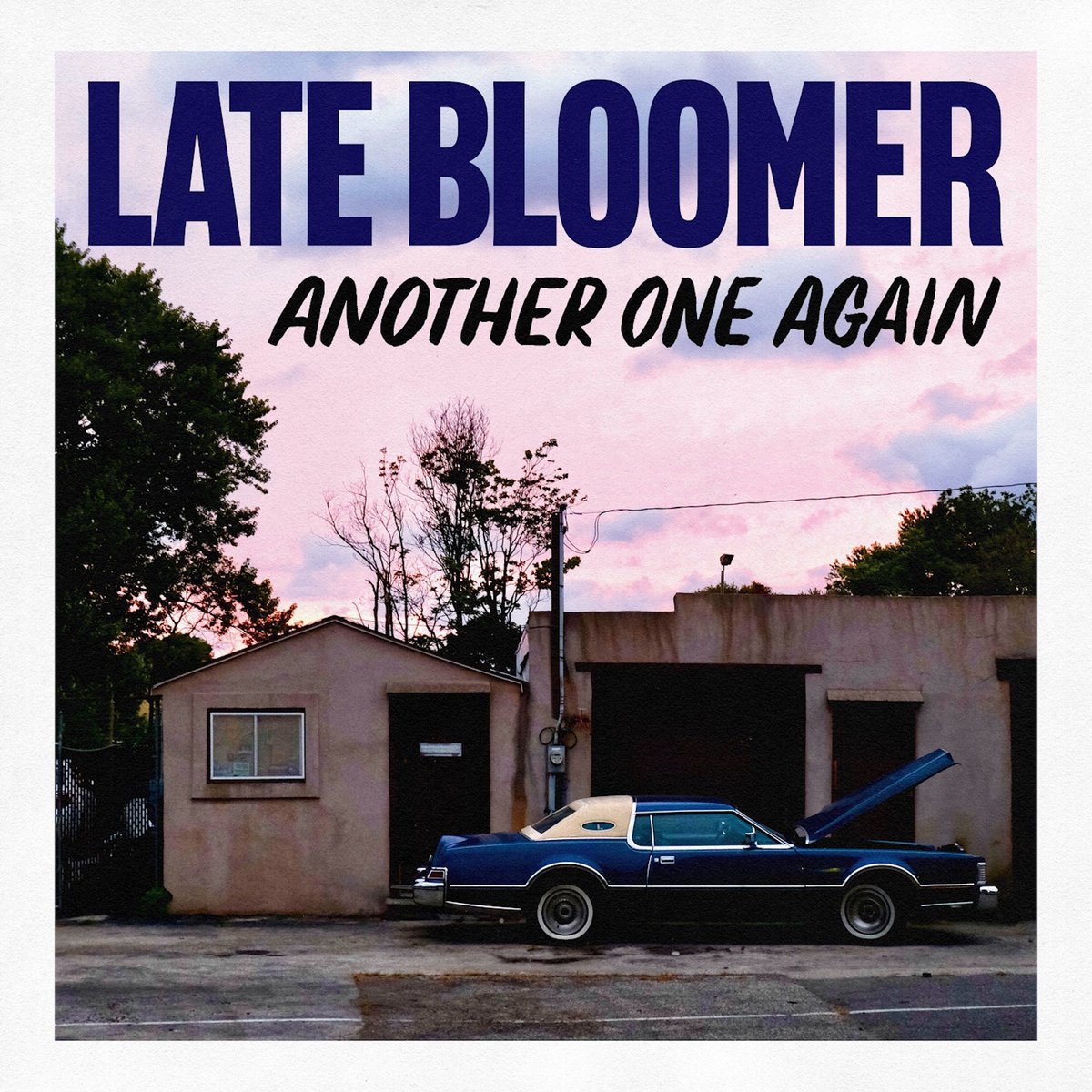
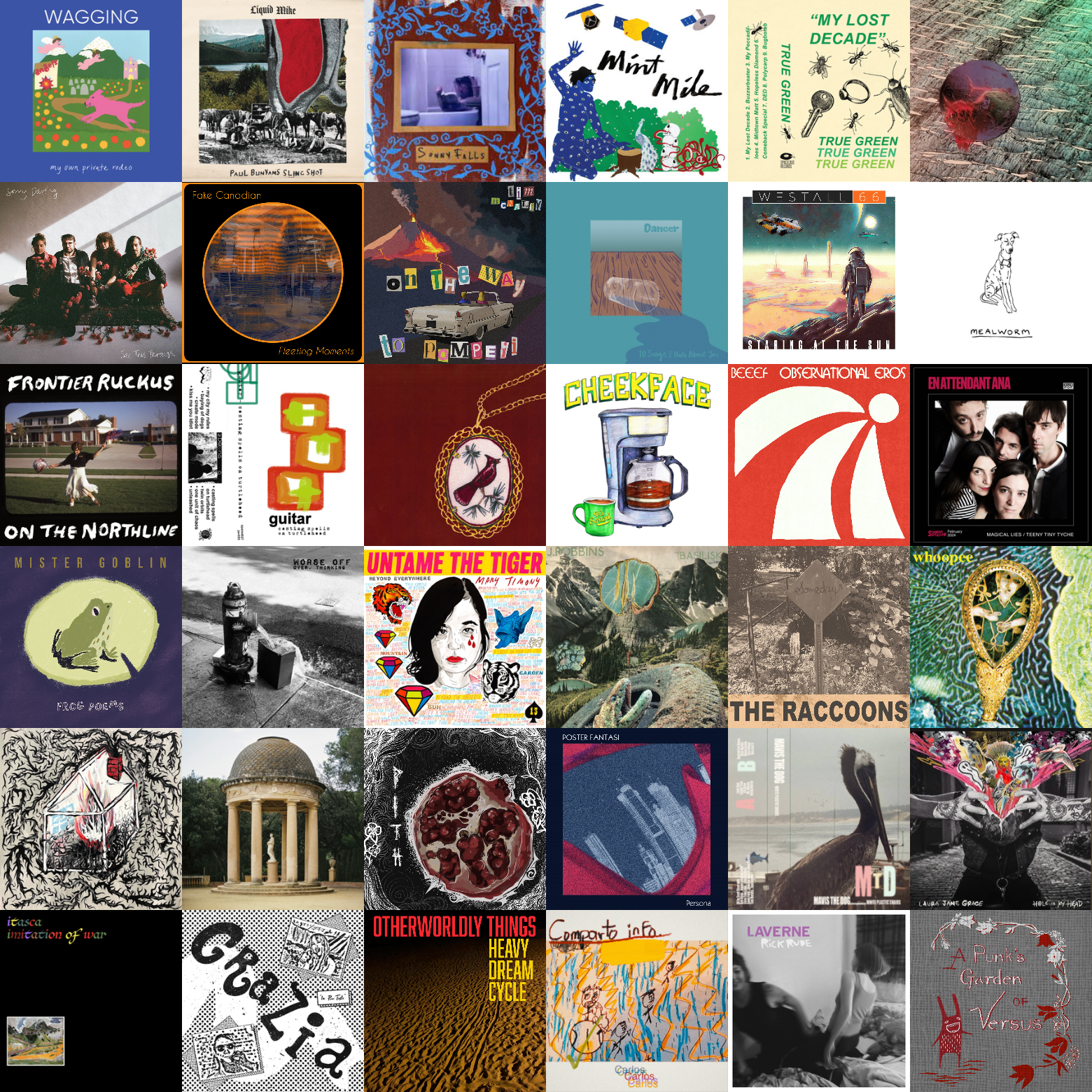


 Rosy Overdrive